Ireland
€
🌸 We currently have a 25% discount on all peony roots. It is still the perfect time for autumn planting! 🌸
Ireland
€
🌸 We currently have a 25% discount on all peony roots. It is still the perfect time for autumn planting! 🌸
Baby's breath, Loukykvět

Gypsophila paniculata

Baby's breath

Gypsophila paniculata will bring a white mist effect to your flower beds, beautifully softening the sharper contours of other perennials. This sturdy plant, native to European and Asian steppes, is a master of survival in sunny and dry locations. Its gray-green leaves and stems form an interesting contrast to the bright white flowers that appear from July to September. In garden design, it is popularly used to fill empty spaces between more striking flowers or roses, to which it provides an inconspicuous but important companion. Growing it is suitable even for complete beginners because the plant does not suffer from pests or diseases and is very frost-hardy. It only needs plenty of sun and sandy, well-draining soil. It roots very deeply, which allows it to handle dry periods well. The inflorescences are excellent for cutting for fresh arrangements and are even better suited for drying for winter decorations and wreaths. Please keep in mind that the plant is poisonous, so we recommend caution when handling it. Show full description

Made to order

We prepare larger packets to order.

You can have them as early as .

5000 seeds
€0,002 per piece
€12,29

Attracts pollinators 🐝

Yes

Difficulty

Beginner

Diseases

Disease-free 🙂

Edible

No
?
Information on whether the plant can be used in floristry for decorating food.

Flower color

White

Flower color: Shade

Pure white

Fragrant (aromatic) 👃

No

Height

80-100 cm

Moisture

💧

Pelleted seeds

No
?
The seeds are tiny, so they are coated in a special material to form small pellets that are easier to handle.

Poisonous

Yes
?
Information on whether the seeds or plant parts are poisonous.

Position

Sun

Self-seeding

No

Soil

Sandy, well-drained

Spacing

80-100 cm
?
Recommended planting spacing.

Spacing: Plants per m²

2-3

Species

Perennial

Suitable for cutting

Yes

Suitable for drying

Yes

Support

No
?
Information on whether plant support is recommended. Ideally netting, or at least twine along the garden bed.
1
2
3
4
5
6
7
8
9
10
11
12
Flowering
July
September
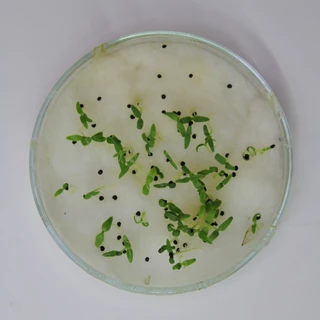
Germination rate
50%
Last test
25. 8. 2026
Lot
1002696
Show germination tests (1)

Cultivation

When choosing a spot for Baby's breath (Gypsophila paniculata), remember first and foremost that this plant loves the sun and literally hates shade or heavy, wet soils. An ideal location is a south-facing flower bed that gets sunlight throughout the day. The soil must be highly permeable, rather dry, loamy to sandy, and rich in calcium. If you have heavy clay soil in your garden, it is essential to dig a deeper hole before planting and place a thick drainage layer of gravel or pebbles at the bottom, or lighten the soil with a large amount of sand. The plant forms a very deep taproot, which allows it to reach for moisture deep in the subsoil, making it a champion of drought resistance; however, this also means it does not tolerate transplanting well. Therefore, plant the seedling directly in its final location.

Planting the seedling itself is simple, but it is necessary to maintain a sufficient spacing. Baby's breath is a sturdy plant that spreads in width, so maintain a spacing of at least 80 to 100 cm. Since the plant roots deeply, it needs almost no supplemental watering once established; water it only during periods of extreme, prolonged drought. Waterlogging is much more dangerous for Baby's breath than drought, as it can lead to root rot. Regarding nutrition, the plant is undemanding and does not require regular fertilization in ordinary garden soil. If you want to support growth, you can add a little compost or a calcium-containing fertilizer in the spring, but avoid fertilizers with a high nitrogen content, which would cause lush leaf growth at the expense of flowering and stem strength.

A great advantage of Baby's breath is its excellent health; the plant practically does not suffer from pests or diseases, so you do not have to worry about aphid or powdery mildew infestations. It is also fully hardy down to -34 °C and handles our winters without problems and without any protection, provided it is not standing in waterlogged soil. Maintenance during the year basically consists only of removing faded stems if you do not use them for cutting. In the spring, remove the dry above-ground parts just above the ground to give the plant room for new shoots. The inflorescences are beautiful in fresh bouquets, but also for drying – for drying, cut the stems when in full bloom and hang them upside down in a dark and airy place. Be careful when handling the plant and use gloves, as the plant's sap can irritate the skin and the entire plant is poisonous if ingested.

Growing in containers is possible with Baby's breath, but it has its specifics due to the massive root system. If you decide to grow it on a balcony or terrace, you must choose a truly deep and large pot so that the taproot has room to grow. The container must have a high-quality drainage layer at the bottom and drainage holes so the roots do not stand in moisture. Mix the substrate with sand in a 1:1 ratio to ensure maximum permeability. Keep in mind that the substrate in a container freezes faster than in open ground, and even though Baby's breath is hardy, its root system can be more susceptible to frost damage in a pot, so it is advisable to wrap the container with jute or polystyrene for the winter.

The information given is based on our experience, please use it as a guide only. Times may vary depending on the season, climate, location, sowing and transplanting dates and possibly also the conditions in the greenhouse/greenhouse. We always recommend testing how the plant performs in your conditions. Please do not take this as a guarantee.

Show all

Click to view the full growing instructions.

Instructions inside the seed packet
You can find full instructions inside each seed packet, covering everything from sowing to harvesting.
Seeds arrive in a handy box
You can use the box to store seeds, so when it's time to sow, you have everything ready.
Seed packets can be easily organized
Each seed packet features a colored label with a photo of the species, as well as its common and Latin names.
Pelleted seeds can be found in ampoules
The smallest seeds are pelleted to make them easier to work with. The pelleted seeds can be found in a plastic ampoule inside the package.
Sow the entire packet of seeds
Number of seeds ≠ number of plants. It is necessary to take into account that not every seed will germinate. You may lose some seedlings during cultivation. We recommend buying and sowing more seeds than you need seedlings.
Find the current germination rate on the website
We test seed germination every 6 months. You can always find the current germination rate on our website.

Frequently asked questions

Planting site

Diseases & pests

Harvest

Characteristics

Propagation

More products in category Baby's breath

Baby's breath Snowflake, Loukykvět
New

Gypsophila paniculata

A plant originally from the sandy steppes and slopes of Southern Europe and Central Asia. Cultivated in botanical gardens since the 18th century, it has been common in private gardens since the mid-19th century. A classic perennial for cutting. In the garden, it can also be used in modern-style steppe beds with grasses and drought-tolerant perennials. Snowflake has white, mostly double flowers.
€2,09
Coming Soon

More products in category Seeds

Cosmos Cupcakes Blush, Loukykvět

Cosmos bipinnatus

Cosmos is one of the most used items on our farm. In season, we cut hundreds of stems every day. Hats off to it, it is a super cut flower! Cupcakes is a series of Cosmos where the flowers are shaped like cupcake wrappers. This creates a unique effect in both bouquets and flower beds. Cupcakes Blush comes in shades of soft pink.
€2,39
In Stock
Cosmos Double Click Snow Puff, Loukykvět

Cosmos bipinnatus

Cosmos are among the most popular on our farm. And now imagine that such a hit comes in a fully double-flowered version! Absolute splendor! A flood of flowers resembling cotton puffs. 'Snow Puff' is creamy white. A single plant will produce at least 12 stems.
€2,69
In Stock
Cosmos Double Click Cranberries, Loukykvět

Cosmos bipinnatus

Cosmos are among the most popular flowers on our farm. And now imagine that such a hit comes in a fully double-flowered version! 'Double Click Cranberries' is a dark pink in a magenta shade. A single plant will produce at least 12 stems.
€2,69
In Stock
Ornamental Carrot Dara, Loukykvět

Daucus carota

Pure splendor! Thin, sturdy stems with umbel inflorescences resembling dill at their ends. On each stem, there are thousands of tiny blooms creating the effect of a veil or lace. This is a mix of colors, where some flowers are pure white, while most are chocolate to burgundy with a touch of white, sometimes even pink.
€2,39
In Stock
Cosmos Cupcakes White, Loukykvět

Cosmos bipinnatus

Cosmos is one of the most used items on our farm. In season, we cut hundreds of stems every day. Hats off to it, it is a super cut flower! Cupcakes is a series of Cosmos where the flowers are shaped like cupcake wrappers. This creates a unique effect in both bouquets and flower beds.
€2,39
In Stock
Cosmos Double Click Rose BonBon, Loukykvět

Cosmos bipinnatus

Cosmos are among the most popular flowers on our farm. And now imagine that such a hit comes in a fully double-flowered version! 'Double Click Rose Bonbon' is a solid pink shade. A single plant will produce at least 12 stems.
€2,69
In Stock
Zinnia Queen Lime Red, Loukykvět

Zinnia elegans

The best-selling cut Zinnia ever! But the main thing is the color! Antique wine fading into antique pink. The Queen Lime series is our favorite Zinnia; it's love at first sight! The flowers are large, up to 10 cm, surrounded by many petals, giving a double-flowered appearance. Moving towards the center, the petals get smaller and end up unopened at the center, creating a frosted cupcake effect. No other Zinnia compares!
€3,09
In Stock
Cornflower Tall Double Blue Boy, Loukykvět

Centaurea cyanus

The blue cornflower is an absolute classic of our fields and meadows, which probably needs no lengthy introduction. However, the 'Tall Double Blue Boy' variety brings something extra. Compared to its wild relatives that we see along roads, it boasts rich flowers in an unmistakable, deep blue shade, sometimes with a purple tone. You can hardly imagine anything more meadow-like. Thanks to its strong stems growing up to eighty centimeters tall, this annual is perfectly suited for cutting, adding true rustic charm to bouquets. But its use doesn't end in the vase. The flowers keep their fantastic color even after drying! At weddings, we loved using them in flower crowns and corsages, where they have excellent stamina! The petals are edible. They serve perfectly as an original garnish for summer salads, desserts, or festive cakes. Moreover, in the garden, it functions as a reliable magnet for bees and bumblebees, who simply go crazy for its nectar.
€5,19
In Stock
Cosmos Apricotta, Loukykvět

Cosmos bipinnatus

Cosmos are an absolute classic and a matter of the heart for us! In the past, we cut them by hundreds of stems on the farm and our customers, especially brides, literally loved them for their lightness and elegance. While common cosmos mainly offer a white and deep pink palette, 'Apricotta' brings a completely new and fresh color tone to the flowerbeds. It is a unique combination of light pink and the lightest salmon, which looks incredibly tender and original. The flowers have a silky appearance and gently sway in the wind, which adds pleasant dynamics to the garden.
€2,09
In Stock
Cosmos Sea Shells, Loukykvět

Cosmos bipinnatus

Cosmos is among the most used items on our farm and Sea Shells have been with us from the start. It is a mix of colors, pink and white, which isn't anything special, but those shapes! The petals are fused into a tube, resulting in a very unique look!
€10,89
In Stock
Cornflower Tall Double Red Boy, Loukykvět

Centaurea cyanus

Everyone knows classic field cornflowers, but the 'Tall Double Red Boy' variety brings a completely different spectacle to the garden. It is a very unusual shade of deep raspberry, which we fell in love with immediately after one plant accidentally bloomed among our blue cornflowers last year. The richly double flowers measure approximately four centimeters in diameter and grow on stems up to eighty centimeters tall. The silvery gray-green foliage gives the whole composition a delicate look that beautifully softens the surrounding planting. The raspberry cornflower stands out best in natural-looking flower beds, where it pairs perfectly with ornamental grasses, daisies, or white-flowering annuals. Throughout the summer, it serves as a plentiful feast for bees and bumblebees. Lovers of fresh arrangements love using it in colorful summer bouquets, where its unconventional color immediately catches everyone's eye. It works just as well for drying into dry decorations that will remind you of warm days even during the cold months. Moreover, it is a plant with edible flowers, which you can easily use to decorate festive cakes or summer drinks.
€9,99
In Stock
Cosmos Rubenza, Loukykvět

Cosmos bipinnatus

Cosmos belongs among the most used items on our farm. And Rubenza is one of the most beautiful. Warm burgundy color, the petals have a brush-stroke texture on the underside. It is a color that is currently trendy in wedding floristry, so we never have any left in the flower bed. One plant produces at least 12 stems.
€2,09
In Stock
Zinnia Cresto Peachy Pink, Loukykvět

Zinnia elegans

Zinnia 'Cresto Peachy Pink' brings a refreshing palette of colors full of cool tones to summer flower beds. Growing this charming annual from seeds is ideal even for complete beginners. The seeds are sown directly into the flower bed during May and June, as soon as the danger of frost has passed. The 'Cresto' series is characterized by fully double, scabiosa-flowered types that catch the eye with their unconventional shape and fluffy centers. Compared to the 'Peaches & Cream' variety, this variant offers cooler shades of pink, from pastel to deep bubblegum, with delicate touches of tangerine and apricot. The plants grow to a height of sixty to ninety centimeters, and occasional pinching will benefit them with richer branching. In the garden, they form beautiful combinations with delicate ornamental grasses or other annuals in similar tones. Zinnia also acts as a reliable magnet for bees, bumblebees, and butterflies. Long, sturdy stems, which sometimes benefit from light support, make this flower the perfect material for cutting. The colorful flowers last for many days in a vase and will enliven any summer interior.
€2,39
In Stock
Vaccaria Pink Beauty, Loukykvět

Saponaria vaccaria

Saponaria vaccaria, or cow soapwort 'Pink Beauty', is a reliable annual that brings a romantic and airy element to summer flower beds. It easily makes up for its unconventional name with a rich profusion of tiny, pastel-pink flowers that bring a sense of lightness to the garden. These appear on sturdy stems sixty to ninety centimeters tall during the summer months, from June to September. The delicate flowers not only look beautiful and soften the surrounding plantings, but they also act as a magnet for bees, butterflies, and other pollinators, which will naturally enliven your garden. For healthy growth, cow soapwort appreciates a bright location, but it can grow in light shade without any problems. It looks very elegant in the garden, and thanks to its structure—reminiscent of baby's breath—it combines perfectly with more robust types of flowers, for which it makes a delicate background. You can confidently cut three to four richly branched stems from each plant. They will bring great joy even if you simply place them in small vases in your living room. Cow soapwort grows and blooms very quickly from seeds, which in practice means that it also fades a bit faster. If you want to enjoy its delicate pink flowers in the bed and in the vase for as long as possible, it is worth sowing the seeds in stages. You can perform direct sowing from February to May in several consecutive phases. Even complete beginners can thus have fresh cut flowers available throughout the season.
€4,69
In Stock
Cornflower Tall Double Pinkie, Loukykvět

Centaurea cyanus

The Cornflower is a fundamental staple for all lovers of naturalistic gardens. While in the wild you are more likely to encounter simpler blue forms, the 'Tall Double Pinkie' variety will surprise you with rich, full flowers in a vibrant shade of light baby pink. These beautiful heads appear on the plants from June to August, bringing a wonderful sense of lightness to every flower bed. In the garden, this annual, which reaches up to eighty centimeters in height, will become a favorite destination for bees and butterflies that will happily search for food on it. In addition to great revitalization of any country space, it is also fantastic material for home floristry. The sturdy stems are easy to cut for a vase, the flowers hold their saturated color for a long time when dried, and you can also safely decorate your culinary creations with them. Sowing the seeds is easily managed even by a complete beginner; just gently press them into prepared soil in early spring or late summer.
€5,19
In Stock
Sunflower ProCut White Lite, Loukykvět

Helianthus annuus

White Lite is a treasure among sunflowers thanks to its delicate appearance! The smaller flowers have a pastel yellow to creamy color with a mustard center. If you dip the ends of the stems in hot water after harvesting, they will last up to 10 days in a vase.
€2,49
In Stock
Larkspur QIS White, Loukykvět

Delphinium consolida

Larkspur are spring beauties that have no equal. If you want to grow them for cut flowers, you must be vigilant and harvest quickly before all the buds open. Especially in the warm springs of recent years, they bloom quickly, so we recommend sowing several batches exactly 14 days apart. The QIS White larkspur flowers have a pure white color, which makes them great for weddings as well. You will harvest one thicker stem and 4-5 smaller side stems from one plant. It is one of the varieties that is also perfect for drying! Simply hang it 'head down' in a dry, shaded, and well-ventilated place. This allows it to keep its beautiful color even after drying.
€13,49
In Stock
Cornflower Tall Double Black Boy, Loukykvět

Centaurea cyanus

It is hard to imagine anything more rustic. The 'Tall Double Black Boy' variety is a much fuller-flowered Cornflower than the one we commonly see along roadsides and hedgerows. It is a truly extraordinary piece, with a color that transitions from dark burgundy and plum to almost black. It grows to a height of sixty to eighty centimeters, so it appreciates support in the flower bed to prevent its thin stems from breaking. Seeds from spring or autumn sowings germinate very readily within five to ten days. It is best to sow them directly in a sunny or semi-shaded location. The flowers appear in the summer months from June to August and become a huge attraction for bees, bumblebees, and butterflies. You will appreciate the Cornflower in naturalistic gardens alongside other annuals. It is absolutely great for cutting into vases, and its flowers also retain their shape and color when dried. If you like trying new things in the kitchen, you will be pleased to know that these dark flowers are edible and will beautifully brighten up summer salads or desserts.
€5,19
In Stock
Cosmos Rosetta, Loukykvět

Cosmos bipinnatus

Cosmos 'Rosetta' is one of our favorite annuals. Its shape resembles a large daisy, but its flowers shine in shades of dark and light pink that look like they were painted with delicate brushstrokes. It originates naturally from the sunny regions of America, and here, it thrives best in a bright location. As it is a low-maintenance plant, growing it from seeds is easy even for beginners. You can sow the seeds indoors on a windowsill starting in April, or directly into a spot in the flower bed from May to July. Germination takes only a few days. It grows to a height of about one meter, forms beautifully sturdy stems, and blooms from June until October, constantly attracting bees and butterflies. In the garden, it is an excellent addition to mixed borders. If you enjoy creating bouquets, 'Rosetta' will thrill you as a cut flower. From a single plant, you will gradually get at least twelve strong stems for the vase.
€2,39
In Stock
Zinnia Oklahoma Salmon, Loukykvět

Zinnia elegans

A smaller zinnia is very practical! And the Oklahoma series has flowers 4-5 cm large and fits perfectly even into smaller floristry tasks such as wreaths. Shades of darker and lighter salmon. One plant produces at least 10 flowers.
€2,49
In Stock