
Celosia argentea
Celosia Reprise Rose
Unavailable
We don’t have them right now, and we don’t know when yet.
Turn on the availability watch and we’ll let you know by e-mail.
25 seeds
100 seeds
250 seeds
Cover seeds
Difficulty
Direct sowing
Flower color
Flower color: Shade
Germination temperature
Germination time
Height
Pelleted seeds
Pinching
Position
Pre-cultivation period
Seed count
Spacing
Species
Suitable for cutting
Suitable for drying
Support
Transplanting
Cultivation
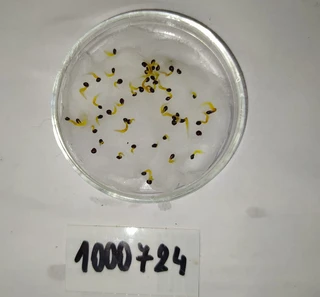
We recommend only starting seeds indoors, as celosia requires higher temperatures to germinate, so direct sowing would lead to very late blooming. When starting indoors, you can plant the seedlings directly outside in the field or a flower bed, but harvesting is faster in a polytunnel. SOWING: Sow 6 to 8 weeks before the last frost directly onto the surface, as celosia needs light to germinate. Cover with a fine layer of vermiculite to retain moisture. TRANSPLANTING: Transplant outside after the last frost. When transplanting, soak the seedlings thoroughly with water and monitor watering for the first two weeks after planting; humidity should be kept constant during this time. Celosia needs short days for long stems and flowering, requiring 12 to 13 hours of light daily. It will therefore bloom most beautifully at the end of August and throughout September. We recommend providing support.
The information given is based on our experience, please use it as a guide only. Times may vary depending on the season, climate, location, sowing and transplanting dates and possibly also the conditions in the greenhouse/greenhouse. We always recommend testing how the plant performs in your conditions. Please do not take this as a guarantee.


More products in category Celosia


Celosia argentea spicata
Celosia Flamingo Feather


Celosia argentea
Celosia Act Ziva Pink

Celosia argentea
Celosia Act Verda Green

Celosia argentea
Celosia Sylphid


Celosia argentea
Celosia Sunday Dark Pink

Celosia argentea
Celosia Sunday Orange

Celosia argentea
Celosia Sunday Purple

Celosia argentea
Celosia Sunday Bright Pink

Celosia argentea
Celosia Celway Salmon

Celosia argentea spicata
Celosia Celway White

Celosia argentea
Celosia Sunday Red

Celosia argentea
Celosia Sunday Yellow


Celosia argentea
Celosia Sunday Gold


More products in category Seeds

Cosmos bipinnatus
Cosmos Double Click Bicolor Pink

Cosmos bipinnatus
Cosmos Cupcakes Blush

Cosmos bipinnatus
Cosmos Double Click Snow Puff

Cosmos bipinnatus
Cosmos Double Click Cranberries

Daucus carota
Ornamental Carrot Dara

Cosmos bipinnatus
Cosmos Cupcakes White

Zinnia elegans
Zinnia Queen Lime Red

Cosmos bipinnatus
Cosmos Double Click Rose BonBon

Centaurea cyanus
Cornflower Tall Double Blue Boy

Cosmos bipinnatus
Cosmos Apricotta

Centaurea cyanus
Cornflower Tall Double Red Boy

Cosmos bipinnatus
Cosmos Rubenza

Zinnia elegans
Zinnia Cresto Peachy Pink

Saponaria vaccaria
Vaccaria Pink Beauty

Nigella damascena
Nigella Miss Jekyll Sky Blue

Centaurea cyanus
Cornflower Tall Double Pinkie

Cosmos bipinnatus
Cosmos Apricot Lemonade

Helianthus annuus
Sunflower ProCut White Lite

Limonium sinuatum
Statice QIS Pastel

Delphinium consolida


