
Cosmos bipinnatus
Cosmos Sensation Day Dream
2500 seeds
Připravujeme
100 seeds
500 seeds
Attracts pollinators 🐝
Cover seeds
Difficulty
Direct sowing
Diseases
Edible
Flower color
Flower color: Shade
Flower size
Fragrant (aromatic) 👃
Germination temperature
Germination time
Height
Moisture
Pelleted seeds
Pinching
Poisonous
Position
Pre-cultivation period
Seed count
Self-seeding
Soil
Spacing
Species
Suitable for cutting
Suitable for drying
Support
Transplanting
Cultivation
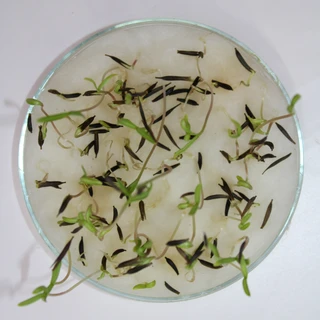
Cosmos are generally very rewarding and low-maintenance annuals that even a complete beginner can grow without any problems. The 'Sensation Day Dream' variety will also reward you with a flood of beautiful pink flowers. You have two options for sowing – either start the plants indoors or sow them directly into the flower bed. If you decide on direct sowing, wait until mid-May when there is no longer a risk of ground frost. For earlier flowering, however, we recommend starting them in a seed tray, which you can begin as early as the turn of March and April. Cosmos grow relatively quickly, so sowing too early would lead to leggy and weak plants. When starting indoors, choose a medium to larger seed tray (for example, with 40 or 60 cells) so that the root system has enough space for healthy development. Place 1 to 2 seeds in each cell and cover them with just a very thin layer of substrate, approximately 0.5 cm. Cosmos seeds need warmth to germinate, so place the seed tray in a room with an optimal temperature of 18–21 °C. Under these conditions, the first green leaves will appear very quickly, with germination usually taking only 7 to 14 days. Keep the substrate constantly slightly moist, but be careful not to overwater, as this could lead to the seedlings rotting. To ensure your Cosmos form richly branched bushes full of flowers, we recommend pinching out the top. You can easily do this while the seedlings are still in the tray and have at least two to three pairs of true leaves. Transplant them out to the flower bed only after the 'Ice Saints' have passed. Because the 'Sensation Pinkie' variety grows quite vigorously and tall, maintain a generous spacing of 30 to 40 cm. Choose a fully sunny spot with well-drained soil. The advantage of Cosmos is that they do not require over-fertilized soil; on the contrary, they produce more flowers at the expense of foliage in poorer soil. Flower harvest: If you want your Cosmos to last as long as possible at home (usually 5–7 days), the key is early cutting, ideally in the morning when the plants are most hydrated. The ideal stage for harvesting is when the bud is just beginning to open, but the petals are not yet fully developed into a horizontal position. If you are harvesting already bloomed flowers, choose those that still have a closed (unopened) yellow center. Cosmos are 'flower machines.' The more you cut them, the more they produce. We therefore definitely recommend removing faded flowers (so-called deadheading).
The information given is based on our experience, please use it as a guide only. Times may vary depending on the season, climate, location, sowing and transplanting dates and possibly also the conditions in the greenhouse/greenhouse. We always recommend testing how the plant performs in your conditions. Please do not take this as a guarantee.


More products in category Cosmos

Cosmos bipinnatus
Cosmos Double Click Bicolor Pink

Cosmos bipinnatus
Cosmos Cupcakes Blush

Cosmos bipinnatus
Cosmos Double Click Snow Puff

Cosmos bipinnatus
Cosmos Double Click Cranberries

Cosmos bipinnatus
Cosmos Cupcakes White

Cosmos bipinnatus
Cosmos Double Click Rose BonBon

Cosmos bipinnatus
Cosmos Apricotta

Cosmos bipinnatus
Cosmos Rubenza

Cosmos bipinnatus
Cosmos Apricot Lemonade

Cosmos bipinnatus
Cosmos Rosetta

Cosmos bipinnatus
Cosmos Velouette

Cosmos bipinnatus
Cosmos Sensation Purity

Cosmos bipinnatus
Cosmos Sea Shells

Cosmos bipinnatus
Cosmos Afternoon White

Cosmos bipinnatus
Cosmos Cosimo Collarette

Cosmos bipinnatus
Cosmos Lemonade

Cosmos bipinnatus
Cosmos Xanthos

Cosmos bipinnatus
Cosmos Antique Mix

Cosmos bipinnatus
Cosmos Kiiro

More products in category Seeds
Cosmos bipinnatus
Cosmos Double Click Bicolor Pink
Cosmos bipinnatus
Cosmos Cupcakes Blush
Cosmos bipinnatus
Cosmos Double Click Snow Puff
Cosmos bipinnatus
Cosmos Double Click Cranberries

Daucus carota
Ornamental Carrot Dara
Cosmos bipinnatus
Cosmos Cupcakes White
Cosmos bipinnatus
Cosmos Double Click Rose BonBon

Zinnia elegans
Zinnia Queen Lime Red

Centaurea cyanus
Cornflower Tall Double Blue Boy
Cosmos bipinnatus
Cosmos Apricotta
Cosmos bipinnatus
Cosmos Rubenza

Saponaria vaccaria
Vaccaria Pink Beauty

Nigella damascena
Nigella Miss Jekyll Sky Blue

Centaurea cyanus
Cornflower Tall Double Pinkie
Cosmos bipinnatus
Cosmos Apricot Lemonade

Zinnia elegans
Zinnia Cresto Peachy Pink

Helianthus annuus
Sunflower ProCut White Lite

Limonium sinuatum
Statice QIS Pastel

Centaurea cyanus
Cornflower Tall Double Black Boy
Cosmos bipinnatus


