

Dahlia
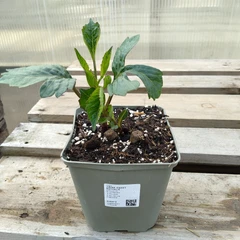
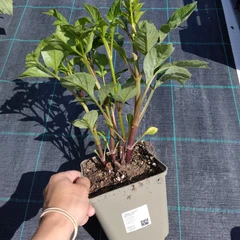
Dahlia Sweet Nathalie
Seedling K13
Diseases
Flower color
Flower color: Shade
Height
Moisture
Pests
Pinching
Poisonous
Position
Soil
Spacing
Spacing: Plants per m²
Species
Suitable for cutting
Support
Recommended products

Cosmos bipinnatus
Cosmos Double Click Bicolor Pink

Zinnia elegans
Zinnia Queen Lime Red

Limonium sinuatum
Statice QIS Pastel

Cosmos bipinnatus
Cosmos Apricotta

Cosmos bipinnatus
Cosmos Double Click Snow Puff

Daucus carota
Ornamental Carrot Dara

Helianthus annuus
Sunflower ProCut White Lite

Cosmos bipinnatus
Cosmos Cupcakes White

Centaurea cyanus
Cornflower Tall Double Blue Boy

Cosmos bipinnatus
Cosmos Cupcakes Blush

Zinnia elegans
Zinnia Oklahoma Salmon

Centaurea cyanus
Cornflower Tall Double Pinkie

Zinnia elegans
Zinnia Queen Lime Blotch

Cosmos bipinnatus
Cosmos Rubenza

Bupleurum rotundifolium
Bupleurum rotundifolium

Cosmos bipinnatus
Cosmos Afternoon White

Zinnia elegans
Zinnia Cresto Cream

Lagurus ovatus
Bunny Tails

Saponaria vaccaria
Vaccaria Pink Beauty

Cosmos bipinnatus
Cosmos Double Click Cranberries

Zinnia elegans
Zinnia Cresto Peaches & Cream

Zinnia elegans
Zinnia Cresto Peachy Pink

Delphinium consolida
Larkspur QIS White

Callistephus chinensis
China aster King Size Apricot

Cosmos bipinnatus
Cosmos Rosetta


Nigella damascena
Nigella Miss Jekyll White

Cosmos bipinnatus
Cosmos Apricot Lemonade

Cosmos bipinnatus
Cosmos Sea Shells

Zinnia elegans
Zinnia Zinderella Peach
Cultivation
Growing this popular wedding Dahlia Sweet Nathalie starts with choosing the right location. It requires a sunny spot protected from strong winds and high-quality, humus-rich, well-draining soil. Because it is a tuberous plant that is not frost-hardy, we plant it outside only when the spring frosts have passed, which is usually in the second half of May or in June. If you can't wait for the first flowers, you can start the tubers indoors in pots in a bright and frost-free place from March. When actually planting, ensure the tuber is laid horizontally at a depth of 10–15 cm, with about 5 cm of soil above the neck. Maintain a spacing of 30–50 cm so the plants have enough room to grow.
During the growing season, Sweet Nathalie requires regular care. Given its impressive height of 80–160 cm, it is absolutely essential to provide the plant with sturdy support, otherwise its delicate dark stems could break under the weight of the large flowers. To achieve abundant blooming and a compact shape, pinching is key. Once the plant has formed several pairs of true leaves, pinch off the top shoot to encourage branching. Do not forget to regularly remove dead flowers, which forces the plant to set new buds until autumn. Keep watering moderate – the soil should not dry out completely, but neither should it be waterlogged. Regarding nutrition, support growth early in the season with a nitrogen fertilizer (e.g., pelleted poultry manure), but as buds form, switch to fertilizers with a higher potassium content (like Kristalon Fruit and Flower), which ensures strong stems and beautiful flower coloration.
If you plan to use Sweet Nathalie for cutting, which its soft color palette naturally invites, harvest the flowers at the right time. The ideal stage is when the flowers are three-quarters open but still have firm petals on the back. Dahlias do not open much further in the vase, so do not harvest them underripe. For maximum vase life, which hovers around one week, dip the ends of the stems immediately after cutting into hot water at 70–80 °C for at least 15 minutes. With the arrival of the first frosts, which burn the above-ground part, you must carefully dig up the tubers, clean them, and store them in a frost-free, dark room in a box with sand or sawdust. Check the tubers during the winter. In the spring, you can divide large clumps or use cuttings from sprouted shoots to propagate the plants. Watch out for slugs, who love young dahlias, and preventively monitor for aphids or thrips.
The information given is based on our experience, please use it as a guide only. Times may vary depending on the season, climate, location, sowing and transplanting dates and possibly also the conditions in the greenhouse/greenhouse. We always recommend testing how the plant performs in your conditions. Please do not take this as a guarantee.
Collections
The product can be found in the following collections.


Dahlia Collection
Wedding Collection
A curated combination of TOP Dahlias for use in wedding bouquets. These are our favorite varieties that we've used in wedding…
Frequently
asked
questions
Harvest
Is the 'Sweet Nathalie' dahlia suitable for cutting?
Growing
How do I properly overwinter dahlia tubers?
How often and in what way should I water Dahlias?
Is it necessary to pinch Dahlias, and why?
What should I fertilize dahlias with for abundant flowering?
Does this dahlia need support?
Sowing
When is the best time to plant Dahlia 'Sweet Nathalie' tubers outdoors?
How can I speed up flowering by starting seeds indoors?
Characteristics
What color and shape of flowers can I expect?
Planting site
What kind of location does the Sweet Nathalie dahlia require?
Can I grow this dahlia in a pot?
Propagation
How can I propagate dahlias?
Diseases & pests
How can I protect Dahlia 'Sweet Nathalie' from slugs?
Are dahlias prone to any specific diseases?
More products in category Dahlia

Dahlia
Dahlia Linda’s Baby

Dahlia
Dahlia Evanah

Dahlia
Dahlia Stolze von Berlin

Dahlia
Dahlia White Perfection

Dahlia
Dahlia Genova

Dahlia
Dahlia Esli

Dahlia
Dahlia Cornel Brons

Dahlia
Dahlia Wine Eyed Jill

Dahlia
Dahlia Ivanetti

Dahlia
Dahlia Zundert Mystery Fox


Dahlia
Dahlia Souvenir D’eté

Dahlia
Dahlia Black Jack


Dahlia
Dahlia Platinum Blonde

Dahlia
Dahlia Natal

Dahlia
Dahlia Lavender Perfection

Dahlia
Dahlia Teesbrooke Audrey

Dahlia
Dahlia Hamari Gold
More products in category Dahlias
Dahlia
Dahlia Linda’s Baby
Dahlia
Dahlia Evanah
Dahlia
Dahlia Stolze von Berlin
Dahlia
Dahlia White Perfection
Dahlia
Dahlia Genova
Dahlia
Dahlia Esli
Dahlia
Dahlia Cornel Brons
Dahlia
Dahlia Wine Eyed Jill
Dahlia
Dahlia Ivanetti
Dahlia
Dahlia Zundert Mystery Fox
Dahlia
Dahlia Souvenir D’eté
Dahlia
Dahlia Black Jack
Dahlia
Dahlia Platinum Blonde
Dahlia
Dahlia Natal
Dahlia
Dahlia Lavender Perfection
Dahlia
Dahlia Teesbrooke Audrey
Dahlia


