
Aster pilosus
Italian Aster
Seedling
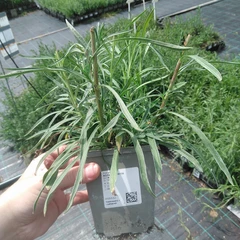
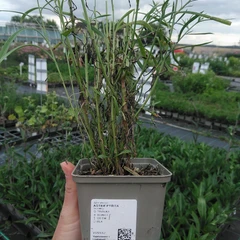

Attracts pollinators 🐝
Difficulty
Diseases
Edible
Flower color
Flower color: Shade
Foliage color
Fragrant (aromatic) 👃
Frost resistance
Hardiness zone
Height
Moisture
Pests
Position
Soil
Spacing
Spacing: Plants per m²
Species
Suitable for cutting
Suitable for drying
Recommended products

Aster ericoides
Aster Lovely

Calamintha nepeta
Calamint Blue Cloud

Aster ericoides
Aster Schneetanne

Aster novi-belgii
Aster White Ladies

Perovskia atriplicifolia
Russian Sage

Aster pringlei
Aster Pink Star

Sesleria autumnalis
Autumn Moor Grass

Achillea millefolium
Yarrow Cerise Queen

Rudbeckia subtomentosa
Rudbeckia Henry Eilers

Eryngium planum
Sea Holly

Achillea millefolium
Yarrow Summer Pastels

Gypsophila paniculata
Baby's Breath Snowflake

Achillea millefolium
Yarrow Terracotta

Baptisia australis
Baptisia australis

Aster pringlei
Aster Monte Cassino

Verbena hastata
Verbena hastata White Spires

Achillea millefolium
Yarrow Lilac Beauty

Nepeta faassenii
Catmint Alba

Aster ericoides
Aster Erlkönig

Salvia nemorosa
Woodland Sage Schneehügel

Alchemilla mollis
Lady's mantle Irish Silk

Deschampsia cespitosa
Tufted Hairgrass Goldschleier

Sedum spectabile
Sedum Matrona

Hydrangea arborescens
Smooth Hydrangea Annabelle

Leucanthemum vulgare
Daisy Maikönigin

Sanguisorba tenuifolia
Sanguisorba Alba

Aster ericoides
Aster Golden Spray

Solidago canadensis
Goldenrod Romantic Glory

Hyssopus officinalis
Hyssop Roseus

Achillea millefolium
Yarrow Lachsschönheit
Cultivation
New England aster thrives best in full sun, where the flower set is the richest and the stems remain firm and do not flop. The soil should primarily be well-draining, loamy to sandy. This plant does not require overly humous or rich substrates; on the contrary, in soil that is too nutritious, it may grow excessively at the expense of flowering and lose stability. When planting, maintain a spacing of approximately 50 cm to give the plants enough room for air circulation and allow them to form their typical, richly branched clumps resembling clouds. Immediately after planting, water the seedling thoroughly so that the roots connect with the surrounding soil.
During the growing season, caring for the New England aster is very easy and suitable even for complete beginners. The plant is perfectly adapted to drier conditions, and once well-rooted, it requires only minimal watering. It makes do with natural rainfall and will appreciate additional moisture only during periods of extreme, prolonged drought. A great advantage is its natural resilience – it does not suffer from common diseases or pests, so you don't have to use any chemicals. In the fall, you can look forward to a flood of tiny flowers that attract bees and butterflies. Since the stems become woody and the plant is frost-hardy down to -34 °C, there is no need to cover it for the winter. On the contrary, leave the spent clumps in the flowerbed all winter; frosted, they look beautiful and provide shelter for small insects. We cut the dry parts low above the ground only early in the spring before new shoots begin to sprout.
If you are considering growing it in containers, it is possible, but given the plant's height (up to 140 cm) and its massive root system, you must choose a sufficiently large and stable pot. Small window boxes are not suitable because the soil in them would dry out too quickly and the plant would lack stability. In a container, it is necessary to monitor watering more carefully than in a flowerbed, as the substrate must not dry out completely to tinder, but at the same time, it must not be waterlogged – the bottom of the container must have good water drainage. Remember also that roots freeze faster in a container than in the ground; although the aster is very resilient, in a container it may require wrapping the pot with burlap or polystyrene during severe winters.
The information given is based on our experience, please use it as a guide only. Times may vary depending on the season, climate, location, sowing and transplanting dates and possibly also the conditions in the greenhouse/greenhouse. We always recommend testing how the plant performs in your conditions. Please do not take this as a guarantee.
Frequently
asked
questions
Harvest
Is the Aster pilosus suitable for cutting for a vase?
Is the China aster suitable for drying?
Diseases & pests
Is this China aster prone to powdery mildew or other diseases?
Characteristics
When does Aster pilosus bloom and what do its flowers look like?
Is the China aster edible?
Does the China aster attract bees and butterflies?
Is the China aster frost-hardy, or does it need to be covered for the winter?
Is this plant safe for children and pets?
How tall does this perennial grow and does it need support?
Propagation
Does this plant self-seed in the garden?
Growing
Do I need to cut back the China aster for winter?
How often do I need to water this aster?
How far apart should I plant the individual seedlings?
Basic information
Why is this China aster called "hairy"?
Planting site
Where is the best place to plant the hairy China aster in the garden?
Photos
in time
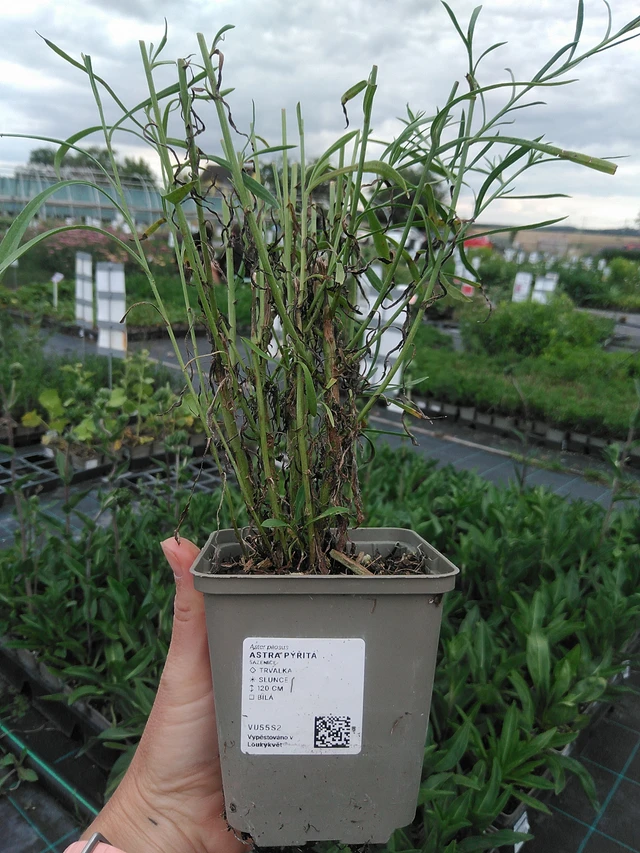
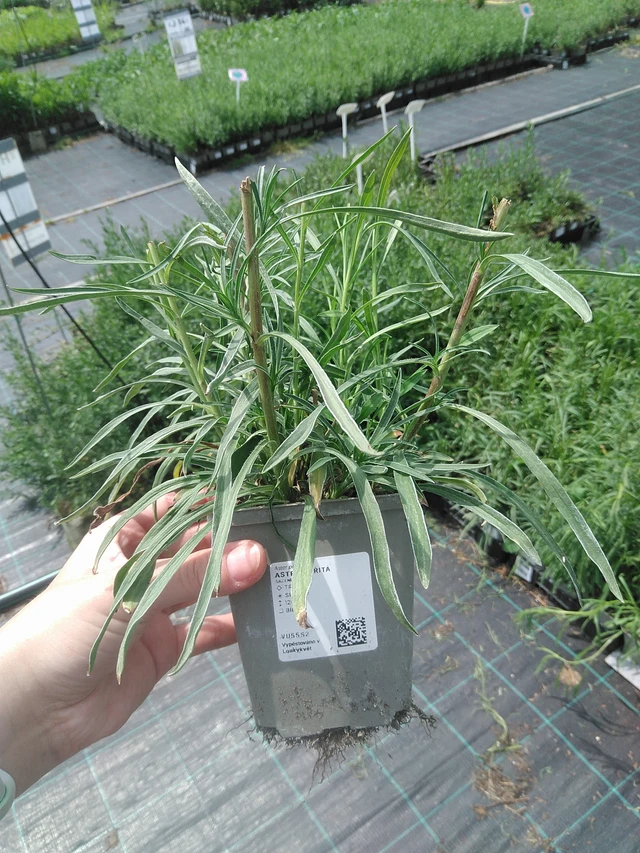
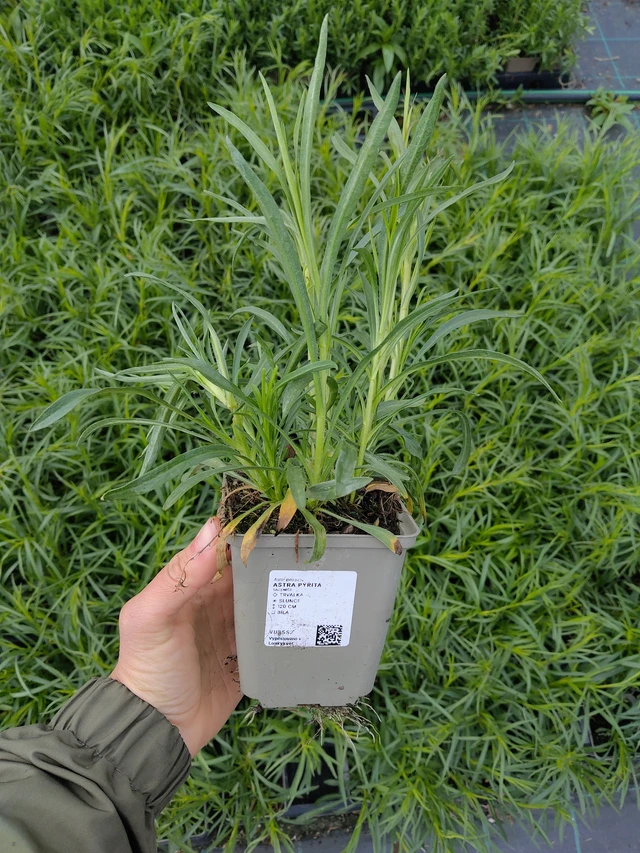
See how the seedling looks over the course of a year.



More products in category Aster

Aster novi-belgii
Aster novi-belgii Fellowship
Aster ericoides
Aster Lovely

Aster ericoides
Aster Pink Cloud

Kalimeris incisa
Japanese Aster Madiva
Aster pringlei
Aster Pink Star

Aster dumosus
Aster Professor A. Kippenberg
Aster novi-belgii
Aster White Ladies

Aster novi-belgii
Aster novi-belgii Marie Ballard
Aster pringlei
Aster Monte Cassino

Aster × hybridus
Aster Primavera

Aster divaricatus
White Wood Aster Eastern Star

Aster ageratoides
Aster ageratoides Starshine
Aster ericoides
Aster Schneetanne

Aster ericoides
Aster Blue Star

Aster lateriflorus
Aster Lady in Black
Aster ericoides
Aster Erlkönig

Aster novae-angliae
Aster Barr’s Pink

Aster x herveyi
Aster Twilight

Aster × hybridus
Aster Blanca

Aster novi-belgii
Aster novi-belgii Brigitte
More products in category Perennials
Alchemilla mollis
Lady's mantle Irish Silk
Achillea millefolium
Yarrow Summer Pastels

Salvia nemorosa
Woodland Sage Caradonna

Verbena bonariensis
Verbena
Perovskia atriplicifolia
Russian Sage

Gaura lindheimeri
Gaura Siskiyou Pink

Echinacea purpurea
Coneflower Rubinstern

Echinacea pallida
Echinacea pallida
Eryngium planum
Sea Holly

Echinacea purpurea
Coneflower Magnus

Salvia nemorosa
Woodland Sage Ostfriesland
Calamintha nepeta
Calamint Blue Cloud

Rudbeckia fulgida
Rudbeckia Goldsturm

Gaura lindheimeri
Gaura Summer Breeze

Calamintha nepeta ssp. nepeta
Calamint

Salvia nemorosa
Woodland Sage Amethyst
Leucanthemum vulgare
Daisy Maikönigin

Perovskia atriplicifolia
Russian sage Little Spire
Achillea millefolium
Yarrow Terracotta
Salvia nemorosa


