


Gaura lindheimeri
Gaura Summer Breeze
Seedling

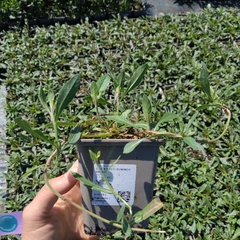
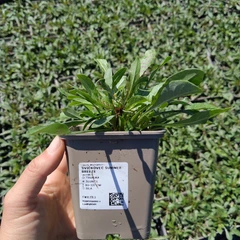
Attracts pollinators 🐝
Difficulty
Diseases
Edible
Flower color
Flower color: Shade
Foliage color
Fragrant (aromatic) 👃
Frost resistance
Hardiness zone
Height
Moisture
Pests
Position
Soil
Spacing
Spacing: Plants per m²
Species
Suitable for cutting
Suitable for drying
Recommended products

Verbena bonariensis
Verbena

Knautia macedonica
Knautia Red Knight

Alchemilla mollis
Lady's mantle Irish Silk

Pennisetum alopecuroides
Fountain grass Hameln

Achillea millefolium
Yarrow Summer Pastels

Leucanthemum vulgare
Daisy Maikönigin

Anemone hybrida
Japanese Anemone Whirlwind

Echinops bannaticus
Globe thistle Blue Glow

Calamagrostis acutiflora
Feather Reed Grass Karl Förster

Catananche caerulea
Shoofly plant Blue

Rudbeckia fulgida
Rudbeckia Goldsturm

Gaura lindheimeri
Gaura

Gypsophila paniculata
Baby's Breath Snowflake

Nepeta racemosa
Catmint Walker’s Low

Salvia nemorosa
Woodland Sage Schneehügel

Sedum spectabile
Sedum Matrona

Anemone hybrida
Japanese anemone Lorelei

Nepeta faassenii
Catmint Six Hills Giant

Coreopsis verticillata
Coreopsis Moonbeam

Calamintha nepeta ssp. nepeta
Calamint

Achillea millefolium
Yarrow Terracotta

Lavandula angustifolia
Lavender Rosea

Perovskia
Russian Sage Blue Spire

Hydrangea arborescens
Smooth Hydrangea Annabelle

Deschampsia cespitosa
Tufted hairgrass Palava

Achillea millefolium
Yarrow Cerise Queen

Achillea millefolium
Yarrow Lilac Beauty

Sanguisorba officinalis
Great Burnet

Aquilegia vulgaris
Columbine Rose Barlow

Salvia nemorosa
Salvia Mainacht
Cultivation
Gaura comes from warm regions and loves a hot and sunny spot, so choose a location for it in full sun. Essential for successful cultivation is the choice of soil. It will grow best in well-draining, sandy, and nutrient-poor soil. Avoid heavy and clay soils where the plant, especially in the cold winter period, would very quickly suffer from root rot. When planting, maintain a spacing of 40 cm, which corresponds to about 5 to 7 plants per square meter, so that air can flow freely around them.
Once the seedling takes root in the bed, it is extremely drought-tolerant and requires only an absolute minimum of watering. Overwatering will actually harm it, so you can safely forget about regular watering. Likewise, it does not require any fertilizing; poor soil suits it perfectly. Gaura is amazing in that it does not suffer from any pests or diseases, making it a maintenance-free beauty of your garden. Flowers appear tirelessly from June to October and attract a multitude of pollinators. If you want to bring a little beauty home, cut the stems as soon as the first two or three tiny flowers open – they are excellent for cutting into vases.
Gaura behaves as a short-lived perennial here, but because it willingly self-seeds, it won't disappear from your garden easily. Frost resistance reaches up to -18 °C (zone 7a), so in milder areas and in the right location, it survives the winter without problems. The key is protection against winter wetness. Do not cut dead stems and leaves in autumn; they serve as natural protection for the plant's heart against frost. Cut back the entire plant just above the ground early in the spring, which will promote new vitality and compact growth.
Customers often ask us if it is possible to grow this beautiful plant in containers. The answer is definitely yes, gaura is made for pots and spacious planter boxes on sunny terraces or balconies. For successful container growing, always choose a deeper pot because the plant forms a longer taproot that needs plenty of space. Do not forget to place a thick drainage layer, such as expanded clay, at the bottom of the container, and significantly lighten the standard potting soil with sand. Keep watering in the container rather moderate, and always let the substrate dry out thoroughly between waterings to prevent root rot.
The information given is based on our experience, please use it as a guide only. Times may vary depending on the season, climate, location, sowing and transplanting dates and possibly also the conditions in the greenhouse/greenhouse. We always recommend testing how the plant performs in your conditions. Please do not take this as a guarantee.
Collections
The product can be found in the following collections.


Hot Summer in Pink
A drought-tolerant and fragrant herbal collection for the sunniest spots in your garden or on your terrace. Tested in the flo…
Frequently asked questions
Is Gaura frost-hardy? Will it survive the Czech winter?
Where is the best place to plant Gaura so it thrives?
Does Gaura need fertilizing?
How often should I water Gaura after planting?
Is Gaura poisonous to dogs, cats, or children?
When is the best time to plant Gaura seedlings outdoors?
What does it mean that Gaura is a "short-lived perennial"?
Why is my Gaura flopping over in the flowerbed?
Is Gaura suitable for cut flowers?
When and how should I prune Gaura?
Can I grow 'Summer Breeze' Gaura in a pot?
What specific color does the Summer Breeze variety bloom?
What pairs best with Gaura in the flowerbed?
What kind of soil does Gaura need? Do I need to amend it?
How can I tell if the plant is being attacked by pests or disease?
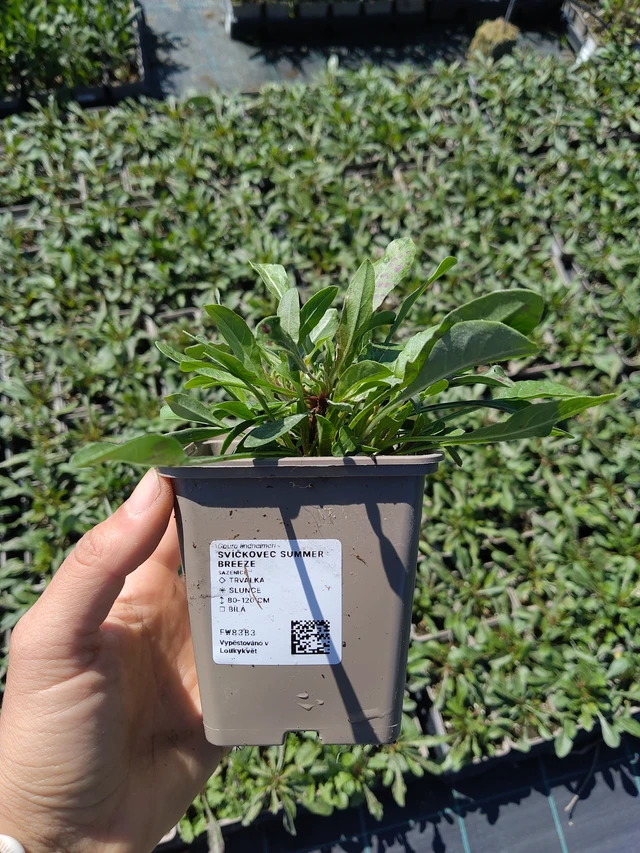
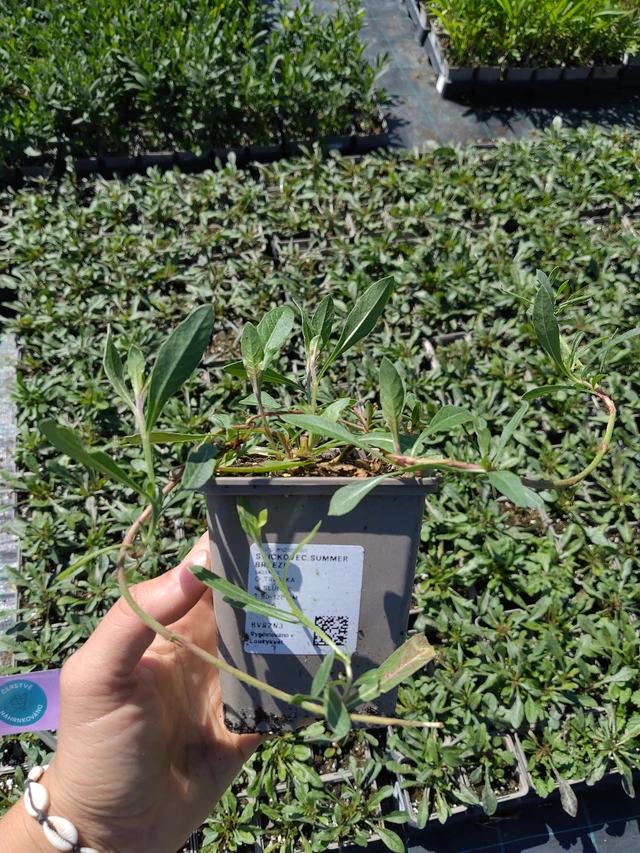
Photos in time
See how the seedling looks over the course of a year.


More products in category Gaura

Gaura lindheimeri
Gaura Siskiyou Pink
Gaura lindheimeri
Gaura

Gaura lindheimeri
Gaura Whirling Butterflies

Gaura lindheimeri
Gaura Rosy Jane

Gaura lindheimeri
Gaura Cool Breeze

Gaura lindheimeri
Gaura Graceful White

Gaura lindheimeri
Gaura Sparkle White

Gaura lindheimeri
Gaura Graceful Blush

Gaura lindheimeri
Gaura Geyser® White

Gaura lindheimeri
Gaura Geyser® Pink
More products in category Perennials
Alchemilla mollis
Lady's mantle Irish Silk
Achillea millefolium
Yarrow Summer Pastels
Verbena bonariensis
Verbena

Salvia nemorosa
Woodland Sage Caradonna

Perovskia atriplicifolia
Russian Sage
Gaura lindheimeri
Gaura Siskiyou Pink

Echinacea purpurea
Coneflower Rubinstern

Echinacea pallida
Echinacea pallida

Salvia nemorosa
Woodland Sage Ostfriesland

Eryngium planum
Sea Holly

Echinacea purpurea
Coneflower Magnus

Calamintha nepeta
Calamint Blue Cloud
Rudbeckia fulgida
Rudbeckia Goldsturm
Calamintha nepeta ssp. nepeta
Calamint
Salvia nemorosa
Woodland Sage Amethyst
Leucanthemum vulgare
Daisy Maikönigin
Achillea millefolium
Yarrow Terracotta

Perovskia atriplicifolia
Russian sage Little Spire
Salvia nemorosa
Woodland Sage Schneehügel

Lavandula angustifolia


