Ireland
🌸 Předprodej jiřin spustíme 3. února 2026 v 10.00. 🌸
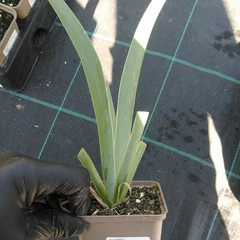
Iris Rose de Perse, Loukykvět

Iris germanica

Iris Rose de Perse

Tento druh kosatce pochází prapůvodně zřejmě ze Středozemí. Odedávna velmi oblíbená okrasná zahradní rostlina, vyšlechtěná do mnoha kultivarů. Údajně je pěstovali už Keltové, oblíbený byl ve středověku a stal se heraldickou rostlinou. Ve váze vydrží 3–7 dní. Květy v kombinaci fialové, světle a korálově růžové. Show full description

Vyprodáno

Seedling

Vyprodáno
 za where

Barva květu

Růžová, fialová

Barva listu

Šedozelená

Druh

Trvalka

Mrazuvzdornost

-28
?
Do jaké teploty daná rostlina odolává mrazům.

Mrazuvzdornost (zóna)

5a (-28.9 °C až -26.1 °C)

Náročnost

Začátečník

Půda

Propustná

Spon

35-35 cm
?
Doporučený spon pro pěstování.

Spon: Počet na m2

8

Stanoviště

Slunce

Vhodné k řezu

Ano

Vláha

💧

Výška

70-90 cm
1
2
3
4
5
6
7
8
9
10
11
12
Kvetení
May
June

Recommended products

Iris germanica

Tento druh kosatce pochází prapůvodně zřejmě ze Středozemí. Odedávna velmi oblíbená okrasná zahradní rostlina, vyšlechtěná do mnoha kultivarů. Údajně je pěstovali už Keltové, oblíbený byl ve středověku a stal se heraldickou rostlinou. Ve váze vydrží 3–7 dní. Květy v kombinaci fialové až fialovočerné s oranžovými kartáčky.
Sold Out
V prodeji opět na jaře 2026

Iris germanica

Tento druh kosatce pochází prapůvodně zřejmě ze Středozemí. Odedávna velmi oblíbená okrasná zahradní rostlina, vyšlechtěná do mnoha kultivarů. Údajně je pěstovali už Keltové, oblíbený byl ve středověku a stal se heraldickou rostlinou. Ve váze vydrží 3–7 dní. Růžová, fialová a měděná - to je barevná paleta tohoto kosatce.
Sold Out
V prodeji opět na jaře 2026

Iris germanica

Tento druh kosatce pochází prapůvodně zřejmě ze Středozemí. Odedávna velmi oblíbená okrasná zahradní rostlina, vyšlechtěná do mnoha kultivarů. Údajně je pěstovali už Keltové, oblíbený byl ve středověku a stal se heraldickou rostlinou. Ve váze vydrží 3–7 dní. Květy má světle modré s bílými v hrdle nažloutlými kartáčky.
Sold Out
V prodeji opět na jaře 2026

Iris germanica

Tento druh kosatce pochází prapůvodně zřejmě ze Středozemí. Odedávna velmi oblíbená okrasná zahradní rostlina, vyšlechtěná do mnoha kultivarů. Údajně je pěstovali už Keltové, oblíbený byl ve středověku a stal se heraldickou rostlinou. Ve váze vydrží 3–7 dní. Tento kultivar má tmavé až černofialové květy s mandarinkově zbarvenými kartáčky.
Sold Out
V prodeji opět na jaře 2026

Iris germanica

Tento druh kosatce pochází prapůvodně zřejmě ze Středozemí. Odedávna velmi oblíbená okrasná zahradní rostlina, vyšlechtěná do mnoha kultivarů. Údajně je pěstovali už Keltové, oblíbený byl ve středověku a stal se heraldickou rostlinou. Ve váze vydrží 3–7 dní. Květy v teplých růžově fialových tónech.
Sold Out
V prodeji opět na jaře 2026

Echinacea purpurea

A valuable garden and medicinal perennial, native to North America. Its spiky flower heads are an irresistible magnet for butterflies. Lasts 7–10 days in a vase. After the petals are picked, the stems with the central cones can be dried or used as an interesting element in fresh bouquets. Flowers in shades of yellow.
Sold Out
V prodeji opět na jaře 2026
Novinka

Echinacea purpurea

Cenná zahradní trvalka původem ze Severní Ameriky. Kvete v létě a její ježaté květní terče jsou neodolatelným lákadlem pro motýly. Ve váze vydrží 7–10 dní. Série Sunseekers se pyšní bohatým větvením i kvetením. Rostliny jsou kompaktní a hodí se pro pěstování v nádobách. Květy jsou světle růžové.
Sold Out
V prodeji opět na jaře 2026

Leucanthemum vulgare

A classic perennial for early summer bouquets and cottage gardens. For bouquets, we harvest flowers with firm, smooth central discs. They will then last 7–10 days in a vase. 'Maikönigin' is an exceptionally free-flowering garden form.
Sold Out
V prodeji opět na jaře 2026

Gypsophila paniculata

Originally a plant from the sandy steppes and slopes of Southern Europe and Central Asia. Cultivated in botanical gardens since the 18th century. Common in private gardens since the mid-19th century. A classic perennial for cutting. In the garden, it can also be used in modern steppe beds with grasses and drought-tolerant perennials. 'Flamingo' has a pink, double flower.
Sold Out
V prodeji opět na jaře 2026

Digitalis purpurea

This species is native to Central Europe, found in clearings, moist meadows, and bright forest edges. It is usually a biennial or a short-lived perennial. In the first year, the plant forms basal leaf rosettes in autumn, from which flower-bearing stems grow in spring. Further development depends on the site we choose for it. In some places, it may survive another season; elsewhere, we must rely on self-seeding or plant new ones. All parts of the foxglove are poisonous. It lasts 6 to 8 days in a vase.
Sold Out
V prodeji opět na jaře 2026

Iris germanica

This species of iris originally comes from the Mediterranean. It has long been a very popular ornamental garden plant, bred into many cultivars. It is said that the Celts cultivated it, it was popular in the Middle Ages, and became a heraldic plant. It lasts 3–7 days in a vase. Lime Fizz has lemon to canary yellow flowers with a delicate frill.
Sold Out
V prodeji opět na jaře 2026

Iris germanica

Tento druh kosatce pochází prapůvodně zřejmě ze Středozemí. Odedávna velmi oblíbená okrasná zahradní rostlina, vyšlechtěná do mnoha kultivarů. Údajně je pěstovali už Keltové, oblíbený byl ve středověku a stal se heraldickou rostlinou. Ve váze vydrží 3–7 dní. Květy jsou nápadně vybarvené, tmavě fialové se světlou růžovou a oranžovými kartáčky.
Sold Out
V prodeji opět na jaře 2026

Helleborus orientalis

Hellebores are evergreen perennials that form slowly spreading clumps of leathery, dark green leaves. Stems typically bear four to five flowers. They bloom very early, in late winter and early spring. They are suitable for cutting for a vase only after conspicuous seed pods form in the center of the flower and the flower matures. Before this, they tend to wilt, and the stems cannot hold the flower upright. All parts of the plant are poisonous. Double Ellen Pink Spotted has full, delicate pink flowers with dark burgundy spots.
Sold Out
V prodeji opět na jaře 2026

Iris germanica

This species of iris originated most likely from the Mediterranean. It has long been a very popular ornamental garden plant, bred into many cultivars. It is said that the Celts cultivated it, it was popular in the Middle Ages, and became a heraldic plant. It lasts 3–7 days in a vase. Iris Glacier has fragrant white flowers.
Sold Out
V prodeji opět na jaře 2026

Papaver orientale

Oriental poppy originates from the Caucasus, Turkey, and Iran, where it grows on rocky slopes and dry meadows. It blooms with large, cup-shaped flowers on tall stems. Like all poppies, for use in bouquets, we harvest them as soon as the buds color and "burst open." Additionally, we briefly (for about 20 seconds) sear the ends of the stems with a flame and immediately place them in cold water. They then last 4 days in a vase. The noticeably fuzzy and large leaves die back shortly after flowering, and the plant must rest until spring to regain strength. Some leaves sprout again in late summer. Therefore, it is advisable to plant other perennials nearby that, on the contrary, sprout later and can draw attention during the poppy's dormant period. Royal Wedding flowers have white petals with a dark burgundy spot in the center of the flower.
Sold Out
V prodeji opět na jaře 2026

Digitalis purpurea

Originally a native species of Central Europe found in clearings, moist meadows, and bright forest edges. Usually a biennial or short-lived perennial. In the first year, the plant forms basal leaf rosettes in autumn, from which flower-producing stems grow in spring. Further development depends on the site we choose for it. In some places, it will survive another season, elsewhere we must rely on self-seeding, or plant new plants. All parts of the foxglove are poisonous. Lasts 6 to 8 days in a vase.
Sold Out
V prodeji opět na jaře 2026

Iris germanica

This species of iris originated most likely from the Mediterranean. It has long been a very popular ornamental garden plant, bred into many cultivars. It is said that the Celts cultivated it, it was popular in the Middle Ages, and became a heraldic plant. It lasts 3–7 days in a vase. The flowers of the cultivar Lovely Again are beautifully cool blue and fragrant.
Sold Out
V prodeji opět na jaře 2026

Iris germanica

Tento druh kosatce pochází prapůvodně zřejmě ze Středozemí. Odedávna velmi oblíbená okrasná zahradní rostlina, vyšlechtěná do mnoha kultivarů. Údajně je pěstovali už Keltové, oblíbený byl ve středověku a stal se heraldickou rostlinou. Ve váze vydrží 3–7 dní. Tento kultivar patří mezi pozdně kvetoucí a kombinuje ve svých květech levandulové a žluté odstíny.
Sold Out
V prodeji opět na jaře 2026

Echinacea purpurea

A valuable garden and medicinal perennial, native to North America. It blooms in summer with dark purplish-pink flowers. The spiky flower cones are an irresistible magnet for butterflies. They last 7–10 days in a vase. After the petals are picked, the stems with the central cones can be dried or used in fresh bouquets as an interesting element. Magnus has striking deep pink flowers with an orange-brown center.
Sold Out
V prodeji opět na jaře 2026

Helleborus orientalis

Hellebores are evergreen perennials that form slowly spreading clumps of leathery, dark green leaves. Stems typically bear four to five flowers. They bloom very early, in late winter and early spring. They are suitable for vases only after prominent seed pods form in the center of the flower and the flower matures. Before that, they tend to wilt and the stems cannot hold the flower upright. All parts of the plant are poisonous. The semi-double flowers of Hellebore Double Ellen Picotee are colored white and light pink with a purple-burgundy border.
Sold Out
V prodeji opět na jaře 2026

Physostegia virginiana

The Chain Plant is a native plant of the eastern regions of North America, where it grows on riverbanks and in moist meadows. It forms upright, bushy clumps that spread into the surroundings via root suckers. The flowers have the shape of a slender spike with four rows of tubular flowers and resemble snapdragon flowers. Harvest when the first flowers in the inflorescence open; they will continue to bloom in the vase. In a bouquet, they are a suitable accompaniment for dahlias and last 10–14 days in a vase. The spent flower spikes with seeds are interesting and also suitable for drying. Alba has pure white flowers and spreads well.
Sold Out
V prodeji opět na jaře 2026

Veronica longifolia

The original species of this speedwell can be found in nature in moist meadows and on the banks of watercourses. It is perfect for cutting and, depending on conditions, can be used in beds in combination with roses or, conversely, in naturalistic plantings. It is among the resilient and long-lived perennials. It lasts about 7 days in a vase. Its slender spikes look especially beautiful in combination with the flowers of daisies or yarrow. An excellent food source for bees and butterflies. A pink variant of the cut-flower series Skyler, bred with long flower spikes. It blooms in the first year and repeats flowering well in subsequent seasons.
Sold Out
V prodeji opět na jaře 2026

Helleborus orientalis

Hellebores are evergreen perennials that form slowly spreading clumps of leathery, dark green leaves. The stems typically bear four to five flowers. They bloom very early, in late winter and early spring. They are suitable for vases only after noticeable seed pods form in the center of the flower and the flower has matured. Before this, they tend to wilt, and the stems cannot hold the flower upright. All parts of the plant are poisonous. Helleborus 'Double Ellen Yellow Spotted' has light yellow-green semi-double flowers with striking, deep burgundy speckles.
Sold Out
V prodeji opět na jaře 2026

Iris germanica

This iris species originally comes from the Mediterranean. It has long been a very popular ornamental garden plant, bred into many cultivars. It is said that the Celts cultivated it, it was popular in the Middle Ages and became a heraldic plant. It lasts 3–7 days in a vase. The flowers of the Nibelungen cultivar are light yellow with contrasting dark purple shading.
Sold Out
V prodeji opět na jaře 2026

Calamintha nepeta

Nenáročná a skromná trvalka, která vykvétá velkým množstvím drobných kvítků. Kvete rekordně dlouhou dobu po celé pozdní léto a podzim. Tvoří menší kompaktní vzdušné keříky, které vydávají mátově kořenitou vůní. Květy podobné tymiánu lákají včely, čmeláky a motýly. Dobře bude vypadat mezi růžemi i v přírodně pojatých stepních záhonech třeba s nižšími trávami. 
Sold Out
V prodeji opět na jaře 2026

Lychnis coronaria

A short-lived perennial with silver, softly felted stems and leaves. It blooms for a very long time, with a new flower opening each day, replacing the previous one. An elegant white variant of the basic species.
Sold Out
V prodeji opět na jaře 2026
Lze sušit

Echinops ritro

This species originates from Central and Eastern Europe and the Balkans. They are decorative and low-maintenance plants suitable for natural perennial gardens. The spherical flowers attract bees and butterflies. They last a very long time in a vase and look gorgeous in summer bouquets, also suitable for drying. The steel-blue flower heads reach a diameter of 2 to 4 cm.
Sold Out
V prodeji opět na jaře 2026

Iris germanica

This species of iris originally comes from the Mediterranean. It has long been a very popular ornamental garden plant, bred into many cultivars. It is said that the Celts cultivated it, it was popular in the Middle Ages, and became a heraldic plant. It lasts 3–7 days in a vase. Lugano has ivory white flowers with a sulfur-yellow throat and brushes. It can re-bloom once more in autumn.
Sold Out
V prodeji opět na jaře 2026

Phlox paniculata

Phlox, also known as 'plamenka', is a perennial native to North America. It quickly gained great popularity in European gardens and has been systematically bred since the 19th century. It is a classic perennial for cut bouquets, where, in addition to its colorful flowers, it also offers a delicate fragrance. Harvest when about half of the flowers in the inflorescence have bloomed; it will then last up to 10 days in a vase. Despite efforts to breed the most resilient cultivars, phlox remains exceptionally sensitive to climate and soil conditions, so careful attention must be paid to selecting the right location. 'Nora Leigh' captivates with creamy variegated leaves, complemented by delicate pinkish-white flowers with a darker eye. Thanks to its light foliage, it can brighten darker corners of the garden.
Sold Out
V prodeji opět na jaře 2026

Cultivation

Tyto kosatce milují slunná, horká a suchá místa v propustné půdě, nesnáší přemokření. Sázet se mají jen mělce, oddenky by měly z části vyčnívat z půdy.

The information given is based on our experience, please use it as a guide only. Times may vary depending on the season, climate, location, sowing and transplanting dates and possibly also the conditions in the greenhouse/greenhouse. We always recommend testing how the plant performs in your conditions. Please do not take this as a guarantee.

Show all

Click to view the full growing instructions.

Photos
in time

See how the seedling looks over the course of a year.

Iris Rose de Perse - 13. 10. 2025
13. 10. 2025
Iris Rose de Perse - 10. 9. 2025
10. 9. 2025
Iris Rose de Perse - 19. 8. 2025
19. 8. 2025

More products in category Kosatec

Iris germanica

This species of iris originated most likely from the Mediterranean. It has long been a very popular ornamental garden plant, bred into many cultivars. It is said that the Celts cultivated it, it was popular in the Middle Ages, and became a heraldic plant. It lasts 3–7 days in a vase. Iris Glacier has fragrant white flowers.
Sold Out
V prodeji opět na jaře 2026

Iris germanica

This iris species originally comes from the Mediterranean. It has long been a very popular ornamental garden plant, bred into many cultivars. It is said that the Celts cultivated it, it was popular in the Middle Ages and became a heraldic plant. It lasts 3–7 days in a vase. The flowers of the Nibelungen cultivar are light yellow with contrasting dark purple shading.
Sold Out
V prodeji opět na jaře 2026

Iris germanica

This species of iris originated most likely from the Mediterranean. It has long been a very popular ornamental garden plant, bred into many cultivars. It is said that the Celts cultivated it, it was popular in the Middle Ages, and became a heraldic plant. It lasts 3–7 days in a vase. Eleaonor Roosevelt is a purple-blue iris with yellow beards.
Sold Out
V prodeji opět na jaře 2026

Iris germanica

This iris species originally comes from the Mediterranean. It has long been a very popular ornamental garden plant, bred into many cultivars. It is said that the Celts cultivated it, it was popular in the Middle Ages and became a heraldic plant. It lasts 3–7 days in a vase. Black Knight has a purple-black flower.
Sold Out
V prodeji opět na jaře 2026

Iris germanica

This species of iris originated most likely from the Mediterranean. It has long been a very popular ornamental garden plant, bred into many cultivars. It is said that the Celts cultivated it, it was popular in the Middle Ages, and became a heraldic plant. It lasts 3–7 days in a vase. The flowers of the cultivar Lovely Again are beautifully cool blue and fragrant.
Sold Out
V prodeji opět na jaře 2026

Iris germanica

This species of iris most likely originated in the Mediterranean. It has long been a very popular ornamental garden plant, bred into many cultivars. It is said that the Celts already cultivated it, it was popular in the Middle Ages, and it became a heraldic plant. It lasts 3–7 days in a vase. Iris Immortality has sweetly fragrant, pure white flowers.
Sold Out
V prodeji opět na jaře 2026

Iris germanica

This species of iris originally comes from the Mediterranean. It has long been a very popular ornamental garden plant, bred into many cultivars. It is said that the Celts cultivated it, it was popular in the Middle Ages, and became a heraldic plant. It lasts 3–7 days in a vase. Lime Fizz has lemon to canary yellow flowers with a delicate frill.
Sold Out
V prodeji opět na jaře 2026

Iris germanica

This species of iris originally comes from the Mediterranean. It has long been a very popular ornamental garden plant, bred into many cultivars. It is said that the Celts cultivated it, it was popular in the Middle Ages, and became a heraldic plant. It lasts 3–7 days in a vase. Lugano has ivory white flowers with a sulfur-yellow throat and brushes. It can re-bloom once more in autumn.
Sold Out
V prodeji opět na jaře 2026

Iris germanica

This species of iris most likely originated in the Mediterranean. It has long been a very popular ornamental garden plant, bred into many cultivars. It is said that the Celts already cultivated it, it was popular in the Middle Ages, and it became a heraldic plant. It lasts 3–7 days in a vase. Iris English Cottage was bred in 1976. It has white flowers with a very light purple tint and veining. Sweetly fragrant.
Sold Out
V prodeji opět na jaře 2026

Iris germanica

This species of iris most likely originated in the Mediterranean. It has long been a very popular ornamental garden plant, bred into many cultivars. It is said that the Celts already cultivated it, it was popular in the Middle Ages, and it became a heraldic plant. It lasts 3–7 days in a vase. White flowers with a hint of violet-blue.
Sold Out
V prodeji opět na jaře 2026

Iris germanica

This species of iris most likely originated in the Mediterranean. It has long been a very popular ornamental garden plant, bred into many cultivars. It is said that the Celts already cultivated it, it was popular in the Middle Ages, and it became a heraldic plant. It lasts 3–7 days in a vase. Iris Windsor Rose has deeply rose-purple flowers with contrasting orange beards.
Sold Out
V prodeji opět na jaře 2026

Iris germanica

Tento druh kosatce pochází prapůvodně zřejmě ze Středozemí. Odedávna velmi oblíbená okrasná zahradní rostlina, vyšlechtěná do mnoha kultivarů. Údajně je pěstovali už Keltové, oblíbený byl ve středověku a stal se heraldickou rostlinou. Ve váze vydrží 3–7 dní. Květy má světle modré s bílými v hrdle nažloutlými kartáčky.
Sold Out
V prodeji opět na jaře 2026

Iris germanica

This type of iris originally likely comes from the Mediterranean. It has long been a very popular ornamental garden plant, bred into many cultivars. It is said to have been cultivated by the Celts, was popular in the Middle Ages, and became a heraldic plant. It lasts 3–7 days in a vase. This iris has light violet-blue flowers, quite large with yellow beards.
Sold Out
V prodeji opět na jaře 2026

Iris germanica

Tento druh kosatce pochází prapůvodně zřejmě ze Středozemí. Odedávna velmi oblíbená okrasná zahradní rostlina, vyšlechtěná do mnoha kultivarů. Údajně je pěstovali už Keltové, oblíbený byl ve středověku a stal se heraldickou rostlinou. Ve váze vydrží 3–7 dní. Růžová, fialová a měděná - to je barevná paleta tohoto kosatce.
Sold Out
V prodeji opět na jaře 2026

Iris germanica

This species of iris originally comes from the Mediterranean. It has long been a very popular ornamental garden plant, bred into many cultivars. It is said that the Celts cultivated it, it was popular in the Middle Ages, and became a heraldic plant. It lasts 3–7 days in a vase. The flowers are purple with bronze veining and yellow brushes.
Sold Out
V prodeji opět na jaře 2026

Iris germanica

Tento druh kosatce pochází prapůvodně zřejmě ze Středozemí. Odedávna velmi oblíbená okrasná zahradní rostlina, vyšlechtěná do mnoha kultivarů. Údajně je pěstovali už Keltové, oblíbený byl ve středověku a stal se heraldickou rostlinou. Ve váze vydrží 3–7 dní. Květy v teplých růžově fialových tónech.
Sold Out
V prodeji opět na jaře 2026

Iris germanica

Tento druh kosatce pochází prapůvodně zřejmě ze Středozemí. Odedávna velmi oblíbená okrasná zahradní rostlina, vyšlechtěná do mnoha kultivarů. Údajně je pěstovali už Keltové, oblíbený byl ve středověku a stal se heraldickou rostlinou. Ve váze vydrží 3–7 dní. Tento kultivar má tmavé až černofialové květy s mandarinkově zbarvenými kartáčky.
Sold Out
V prodeji opět na jaře 2026

Iris germanica

Tento druh kosatce pochází prapůvodně zřejmě ze Středozemí. Odedávna velmi oblíbená okrasná zahradní rostlina, vyšlechtěná do mnoha kultivarů. Údajně je pěstovali už Keltové, oblíbený byl ve středověku a stal se heraldickou rostlinou. Ve váze vydrží 3–7 dní. Květy v kombinaci fialové až fialovočerné s oranžovými kartáčky.
Sold Out
V prodeji opět na jaře 2026

Iris germanica

Tento druh kosatce pochází prapůvodně zřejmě ze Středozemí. Odedávna velmi oblíbená okrasná zahradní rostlina, vyšlechtěná do mnoha kultivarů. Údajně je pěstovali už Keltové, oblíbený byl ve středověku a stal se heraldickou rostlinou. Ve váze vydrží 3–7 dní. Květy jsou nápadně vybarvené, tmavě fialové se světlou růžovou a oranžovými kartáčky.
Sold Out
V prodeji opět na jaře 2026

Iris germanica

Tento druh kosatce pochází prapůvodně zřejmě ze Středozemí. Odedávna velmi oblíbená okrasná zahradní rostlina, vyšlechtěná do mnoha kultivarů. Údajně je pěstovali už Keltové, oblíbený byl ve středověku a stal se heraldickou rostlinou. Ve váze vydrží 3–7 dní. Tento kultivar patří mezi pozdně kvetoucí a kombinuje ve svých květech levandulové a žluté odstíny.
Sold Out
V prodeji opět na jaře 2026

More products in category Trvalky

Gaura lindheimeri

Gaura is a clump-forming perennial native to Texas and Louisiana. In our climate, it behaves more like a short-lived perennial. It combines beautifully with grasses and adds lightness and airiness to flowerbeds. It is an excellent food source for insects. Tiny, butterfly-like flowers bloom tirelessly from June until the first frosts. For bouquets, we harvest as soon as the first two to three flowers open on the stem. Siskiyou Pink is a beautiful variety with rose-red flowers on slightly arched stems. Less hardy than white-flowering varieties. The red-spotted leaves are also interesting.
Sold Out
V prodeji opět na jaře 2026

Salvia nemorosa

This species of sage (Salvia nemorosa) originally comes from the steppe regions of Central and Eastern Europe. It forms richly flowering small clumps with straight, upright stems. In flowerbeds, it looks best in groups. Traditionally, it is planted as an accompaniment to roses due to their similar flowering time. However, it will also look great in mixed, drought-tolerant steppe plantings with grasses. It lasts 7 days in a vase. The Caradonna cultivar stands out for its long flowering period and dark, almost black-purple stems with small purple flowers and dark purple bracts. If pruned after flowering, it will bloom again in late August and September.
Sold Out
V prodeji opět na jaře 2026

Achillea millefolium

An original wild perennial with a large distribution area from Europe to Siberia. Suitable for natural and wild plantings. It grows in meadows and dry grassy areas. A very adaptable and undemanding plant, it grows in clumps and spreads by runners. Pruning after the first bloom will encourage new flowers. For bouquets, harvest when the florets are fully open. It lasts 10 days in a vase. Terracotta features ochre, shades of orange and yellow, and grey-green leaves.
Sold Out
V prodeji opět na jaře 2026

Salvia nemorosa

This type of sage originally comes from the steppe regions of Central and Eastern Europe. It forms richly flowering small clumps with straight, upright stems. In beds, it looks best in groups. Traditionally, it is planted, for its coinciding blooming period, as an accompaniment to roses. However, it will look equally good in mixed drought-tolerant steppe plantings with grasses. It is an excellent food source for bees. It lasts 7 days in a vase. The cultivar Ostfriesland blooms in a strikingly dark violet-blue color.
Sold Out
V prodeji opět na jaře 2026

Salvia nemorosa

This species of sage originally comes from the steppe regions of Central and Eastern Europe. It forms richly flowering small clumps with straight, upright stems. In flower beds, it looks best in groups. Traditionally, it is planted as an accompaniment to roses for its coincident flowering time. However, it will also look great in mixed xerophilous steppe plantings with grasses. It is an excellent food source for bees. It lasts 7 days in a vase. Amethyst is an elegant variety with long stems and an unusual pink flower color for sage.
Sold Out
V prodeji opět na jaře 2026

Anemone hybrida

Anemones belong to the same family as buttercups. Their elegant flowers on long, slender stems can enliven and brighten late summer and autumn beds. They stand out against a darker background of shrub groups and will also be grateful for their partial shade. The Czech Perennial Society chose autumn anemones as the perennial of the 2022 season. They last 7 days in a vase. Whirlwind is a historic variety bred in 1887 in the USA. It has semi-double pure white flowers, often with inner curled petals, and a compact, strictly upright growth. The flowers are very durable.
Sold Out
V prodeji opět na jaře 2026

Anemone hybrida

Anemones come from the same family as buttercups. With their elegant flowers on long slender stems, they can brighten and enliven late summer and autumn beds. They stand out against a darker background of shrub groups and will also be grateful for their partial shade. The Czech Perennial Society chose autumn anemones as the perennial of the 2022 season. They last 7 days in a vase. Lorelei has semi-double flowers in a delicate light pink tone.
Sold Out
V prodeji opět na jaře 2026

Scabiosa caucasica

This perennial scabious grows wild on mountain meadows and rocky slopes of the Caucasus, northern Iran, and Turkey. In gardens, it is grown for its charming large bowl-shaped flowers. It has strong, long stems, which makes it a perfect perennial for cutting. We harvest it best while the central florets are still tightly closed, then it will last up to 10 days in a vase. Spent flowerheads can also be dried and are well-suited for use. Fama White has pure white flowers.
Sold Out
V prodeji opět na jaře 2026

Helleborus orientalis

Hellebores are evergreen perennials that form slowly spreading clumps of leathery, dark green leaves. Stems typically bear four to five flowers. They bloom very early, in late winter and early spring. They are suitable for vases only after prominent seed pods form in the center of the flower and the flower matures. Before that, they tend to wilt and the stems cannot hold the flower upright. All parts of the plant are poisonous. Double Ellen White is an almost pure white, double-flowered hellebore. Its petals are slightly wavy, and the lower row of petals is subtly tinted green.
Sold Out
V prodeji opět na jaře 2026

Perovskia atriplicifolia

Perovskia are sparsely branched subshrubs, native to regions from Afghanistan to Tibet. They grow in open, sunny, rocky and stony habitats. Their striking features are their white felted shoots and greyish aromatic leaves. They are suitable for sunny beds with other drought-tolerant perennials, where they create interesting structures even in winter months. Little Spire is a smaller cultivar also suitable for pots with a soil volume of 7 liters or more.
Sold Out
V prodeji opět na jaře 2026

Achillea millefolium

An original wild perennial with a large distribution area from Europe to Siberia. Suitable for natural and wild plantings. It grows in meadows and dry grassy areas. A very adaptable and undemanding plant, it grows in clumps and spreads by runners. Cutting back after the first bloom will encourage new flowers. For bouquets, harvest when the flowers are fully open. Lasts 10 days in a vase. Summer Pastels features a varied and delicate range of colors from white and vanilla to salmon, brick, and bronze.
Sold Out
V prodeji opět na jaře 2026

Sedum spectabile

A very hardy and long-lived perennial with an almost year-round effect. It forms upright clumps, and its flowers attract bees and butterflies. The 'Brilliant' cultivar is characterized by bushy growth and a striking pink color.
Sold Out
V prodeji opět na jaře 2026

Salvia nemorosa

This type of sage originally comes from the steppe regions of Central and Eastern Europe. It forms richly flowering small clumps with straight, upright stems. In beds, it looks best in groups. Traditionally, it is planted as an accompaniment to roses due to its matching blooming period. However, it will also look good in mixed xerophilous steppe plantings with grasses. It is an excellent source of nectar for bees. It lasts 7 days in a vase. Schneehügel blooms white.
Sold Out
V prodeji opět na jaře 2026

Lavandula angustifolia

Lavender is a must-have for every sunny herb garden. Classified as subshrubs, they are valued in gardens for their winter habit. They add not only color and texture to beds but also an unmistakable scent. They will look good with lower drought-tolerant grasses and perennials. A compact cultivar with dark flowers.
Sold Out
V prodeji opět na jaře 2026

Helleborus orientalis

Hellebores are evergreen perennials that form slowly spreading clumps of leathery, dark green leaves. Stems typically bear four to five flowers. They bloom very early, in late winter and early spring. They are suitable for vases only after prominent seed pods form in the center of the flower and the flower matures. Before that, they tend to wilt and the stems cannot hold the flower upright. All parts of the plant are poisonous. Double Ellen Red is a double-flowered hellebore with rounded petals of dark burgundy-red with a lighter undertone on the lower row of petals.
Sold Out
V prodeji opět na jaře 2026
Lze sušit

Eryngium planum

A perennial that finds its use in naturalistic steppe and gravel beds. It attracts bees, bumblebees, and butterflies. It's floristically valuable for its flowers with striking bracts, which are also perfect for drying. The roots of some species were once candied as sweets in England and France and added to pastries and jellies. In herbal medicine, it was used, among other things, as an aphrodisiac, hence its folk name 'male fidelity'.
Sold Out
V prodeji opět na jaře 2026

Scabiosa caucasica

This perennial scabious grows wild on mountain meadows and rocky slopes of the Caucasus, northern Iran, and Turkey. In gardens, it is grown for its charming large bowl-shaped flowers. It has strong, long stems, which makes it a perfect perennial for cutting. We harvest it best while the central florets are still tightly closed, then it will last up to 10 days in a vase. Spent flowerheads can also be dried and are well-suited for use. Fama Deep Blue has violet-blue flowers.
Sold Out
V prodeji opět na jaře 2026

Echinacea purpurea

A valuable garden and medicinal perennial, native to North America. The spiky flower cones are an irresistible magnet for butterflies. They last 7–10 days in a vase. After the petals are picked, the stems with the central cones can be dried or used in fresh bouquets as an interesting element. White Swan blooms with milky white flowers with brown-orange centers. The petals are not spread out completely horizontally; they bend slightly downwards.
Sold Out
V prodeji opět na jaře 2026

Sedum spectabile

A very hardy and long-lived perennial with an almost year-round effect. It forms upright clumps, and its flowers attract bees and butterflies. 'Matrona' tolerates nutritious soil well, provided it is well-drained. It has firm and stable stems.
Sold Out
V prodeji opět na jaře 2026

Anemone hybrida

Anemones belong to the same family as buttercups. With their elegant flowers on long, slender stems, they can brighten and enliven late summer and autumn beds. They stand out against the darker background of shrub groups and will also be grateful for their partial shade. The Czech Perennial Society chose autumn anemones as the perennial of the 2022 season. They last 7 days in a vase. Königin Charlotte is a robust, taller variety bred back in 1898. It has strong, firm stems and semi-double, large, purple-pink flowers. The outer sides of the silky smooth petals are tinged with purple.
Sold Out
V prodeji opět na jaře 2026