


Dahlia
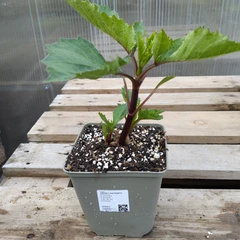
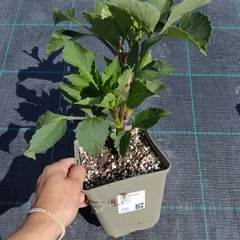
Dahlia Labyrinth
Seedling K13
Diseases
Flower color
Flower color: Shade
Height
Moisture
Pests
Pinching
Poisonous
Position
Soil
Spacing
Spacing: Plants per m²
Species
Suitable for cutting
Support
Recommended products

Cosmos bipinnatus
Cosmos Double Click Bicolor Pink

Cosmos bipinnatus
Cosmos Cupcakes Blush

Zinnia elegans
Zinnia Queen Lime Red

Cosmos bipinnatus
Cosmos Apricotta

Cosmos bipinnatus
Cosmos Double Click Cranberries

Cosmos bipinnatus
Cosmos Apricot Lemonade

Cosmos bipinnatus
Cosmos Double Click Snow Puff

Cosmos bipinnatus
Cosmos Cupcakes White

Limonium sinuatum
Statice QIS Pastel

Zinnia elegans
Zinnia Cresto Peachy Pink

Helianthus annuus
Sunflower ProCut White Lite

Centaurea cyanus
Cornflower Tall Double Blue Boy


Delphinium consolida
Larkspur QIS White

Bupleurum rotundifolium
Bupleurum rotundifolium

Centaurea cyanus
Cornflower Tall Double Pinkie

Zinnia elegans
Zinnia Cresto Peaches & Cream

Daucus carota
Ornamental Carrot Dara

Centaurea cyanus
Cornflower Tall Double Red Boy

Cosmos bipinnatus
Cosmos Rosetta

Paeonia
Peony Shirley Temple

Delphinium consolida
Larkspur QIS Rose

Saponaria vaccaria
Vaccaria Pink Beauty

Matthiola incana
Stock Katz Cherry Blossom

Helichrysum bracteatum
Strawflower Salmon

Rudbeckia hirta
Rudbeckia Cherry Brandy

Callistephus chinensis
China aster King Size Apricot


Nigella damascena
Nigella Miss Jekyll White

Matthiola incana
Stock Katz Apricot
Cultivation
Even a beginner can handle growing the 'Labyrinth' Dahlia, but everything starts with choosing a full sun location with nutritious and humus-rich soil. Since Dahlias cannot tolerate frost, plant the tubers outdoors only in May or early June, when there is no longer a risk of ground frost. Place the tuber horizontally at a depth of 10 to 15 centimeters so that the eye, or stem germ, points upwards, and cover with about 5 centimeters of soil. Maintain a spacing of 30 to 50 centimeters.
If you want to speed up the blooming of this beauty, you can pre-cultivate the tubers at home in a pot in a bright and frost-free place starting in March.
During growth, Dahlias need moderate but regular watering – the soil should be moist, but not waterlogged.
Because the 'Labyrinth' variety grows to a respectable height of 80 to 160 centimeters, support is an absolute necessity to prevent stems with heavy flowers from breaking in the wind. Using sturdy stakes with twine is ideal. Also, do not forget to pinch the plants. Once the plant has several pairs of true leaves, pinch off the terminal shoot. This will force the plant to form side shoots and you will get a richly branched bush. Also, remove faded flowers, which will encourage the formation of new buds. In terms of nutrition, start with fertilizers with a higher nitrogen content for leaf growth and switch to potassium before bud formation, which will ensure rich flowering.
'Labyrinth' is phenomenal for cutting, especially for autumn wedding bouquets. The right time for harvest is when the flowers are about three-quarters open – they will not bloom much more in the vase. Check the back of the flower; the petals there must be firm and fresh. For maximum endurance, which is around one week, submerge the ends of the cut stems in hot water at 70 to 80 °C for 15 minutes. While growing, watch out for slugs and snails, which like to destroy young shoots. Check the plants occasionally for thrips or signs of mosaic virus in the form of deformed leaves; unfortunately, such an infected plant must be disposed of immediately.
Once the first autumn frosts burn the aerial part of the plant, it is time to dig up the tubers. Carefully remove them from the soil with a spade, clean them, and let them dry. Then store them in a cool, dark, and frost-free room, ideally in a box with sand or sawdust. During the winter, check the tubers occasionally to ensure they are not molding or drying out.
If you would like to expand your collection of the 'Labyrinth' variety, you can use propagation via cuttings from sprouted tubers early in the spring, or simply divide older large tubers before planting.
The information given is based on our experience, please use it as a guide only. Times may vary depending on the season, climate, location, sowing and transplanting dates and possibly also the conditions in the greenhouse/greenhouse. We always recommend testing how the plant performs in your conditions. Please do not take this as a guarantee.
Frequently
asked
questions
Growing
How often do I need to water and fertilize this Dahlia?
When is the best time to plant Labyrinth Dahlia tubers in the garden bed?
Can I leave the 'Labyrinth' Dahlia tubers in the garden bed over the winter?
Does the 'Labyrinth' variety need support as it grows?
Can I start Dahlias indoors so they bloom earlier?
Is pinching back the shoots and removing faded flowers necessary for Dahlias?
Planting site
What are the best location and soil conditions for growing the Labyrinth variety?
Can this Dahlia also be grown in a pot on the patio?
Propagation
How can I propagate this Dahlia?
Harvest
How should I harvest flowers for a vase so they last as long as possible?
Diseases & pests
What should I do if my Dahlia has deformed or spotted leaves?
Slugs have started destroying my 'Labyrinth' variety in the flowerbed; how can I get rid of them?
Characteristics
What do the 'Labyrinth' blooms look like and what are they best used for in arrangements?
Troubleshooting
Why is my Dahlia barely blooming and only producing green leaves?
More products in category Dahlia

Dahlia
Dahlia Linda’s Baby

Dahlia
Dahlia Sweet Nathalie

Dahlia
Dahlia Evanah

Dahlia
Dahlia Stolze von Berlin

Dahlia
Dahlia White Perfection

Dahlia
Dahlia Genova

Dahlia
Dahlia Esli

Dahlia
Dahlia Cornel Brons

Dahlia
Dahlia Wine Eyed Jill

Dahlia
Dahlia Ivanetti

Dahlia
Dahlia Zundert Mystery Fox


Dahlia
Dahlia Souvenir D’eté

Dahlia
Dahlia Black Jack


Dahlia
Dahlia Platinum Blonde

Dahlia
Dahlia Natal

Dahlia
Dahlia Lavender Perfection


Dahlia
Dahlia Teesbrooke Audrey
More products in category Dahlias
Dahlia
Dahlia Linda’s Baby
Dahlia
Dahlia Sweet Nathalie
Dahlia
Dahlia Evanah
Dahlia
Dahlia Stolze von Berlin
Dahlia
Dahlia White Perfection
Dahlia
Dahlia Genova
Dahlia
Dahlia Esli
Dahlia
Dahlia Cornel Brons
Dahlia
Dahlia Wine Eyed Jill
Dahlia
Dahlia Ivanetti
Dahlia
Dahlia Zundert Mystery Fox
Dahlia
Dahlia Souvenir D’eté
Dahlia
Dahlia Black Jack
Dahlia
Dahlia Platinum Blonde
Dahlia
Dahlia Natal
Dahlia
Dahlia Lavender Perfection
Dahlia


