

Salvia sclarea
Clary sage
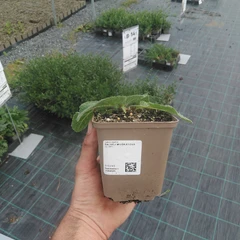
Seedling


Attracts pollinators 🐝
Difficulty
Diseases
Edible
Flower color
Flower color: Shade
Foliage color
Fragrant (aromatic) 👃
Frost resistance
Hardiness zone
Height
Moisture
Pests
Position
Soil
Spacing
Spacing: Plants per m²
Species
Suitable for cutting
Suitable for drying
Recommended products

Orlaya grandiflora
Orlaya White Finch

Bupleurum rotundifolium
Bupleurum rotundifolium

Saponaria vaccaria
Vaccaria Pink Beauty

Nigella damascena
Nigella Miss Jekyll White

Eryngium planum
Sea Holly

Knautia macedonica
Knautia Melton Pastels

Echinacea purpurea
Coneflower Rubinstern

Calamintha nepeta
Calamint Blue Cloud

Echinacea purpurea
Coneflower Magnus

Echinacea purpurea
Coneflower Mellow Yellows

Dicentra spectabilis
Bleeding Heart Gold Heart

Salvia nemorosa
Woodland Sage Ostfriesland

Sedum spectabile
Sedum Brilliant

Veronicastrum virginicum
Culver's Root Album

Salvia nemorosa
Woodland Sage Amethyst

Gaura lindheimeri
Gaura Siskiyou Pink

Agastache rugosa
Agastache

Linaria purpurea
Purple toadflax

Foeniculum vulgare
Fennel Bronze

Gypsophila paniculata
Baby's breath Flamingo

Pennisetum alopecuroides
Fountain grass Hameln

Leucanthemum vulgare
Daisy Maikönigin

Santolina chamaecyparissus
Cotton lavender

Helleborus orientalis
Hellebore Double Ellen Picotee

Clematis heracleifolia
Clematis Mrs R. Brydon

Sidalcea hybride
Checkerbloom Elsie Heugh

Alchemilla mollis
Lady's mantle Irish Silk

Hesperis matronalis
Sweet Rocket Violet

Perovskia atriplicifolia
Russian Sage

Liatris spicata
Liatris
Cultivation
This aromatic beauty is an ideal choice for so-called gravel beds and drought-tolerant compositions. The basis for success is proper site preparation even before planting the seedling. The soil must be perfectly drained – if you have heavier soil in your garden, it is necessary to mix a large amount of sand or fine gravel into the planting hole. The location must be in full sun; in the shade, the plant stretches upwards, lodges, and blooms and smells less. Plant the seedling as deep as it grew in the container, and keep the recommended spacing of 4 to 6 plants per square meter. Thanks to this, its architectural shape will stand out, and at the same time, the plants will not suffocate each other.
Care during the growing season is minimal, which makes clary sage a plant suitable even for beginners. It is practically limited only to checking for the presence of slugs, which like to feast on the young leaves, and to occasional watering in times of extreme drought. The plant does not suffer from common diseases. The inflorescences are very decorative and attract a lot of bees and bumblebees. You can harvest them for fresh summer bouquets or dry them. For drying, cut the stems at the time when the flowers are fully open, and hang them
The information given is based on our experience, please use it as a guide only. Times may vary depending on the season, climate, location, sowing and transplanting dates and possibly also the conditions in the greenhouse/greenhouse. We always recommend testing how the plant performs in your conditions. Please do not take this as a guarantee.
Does this tall sage need support?
Should I cover the plant for the winter?
How often do I need to water the seedlings?
Frequently asked questions
Characteristics
When will I see flowers?
Is this plant safe for children and pets?
How big does this plant grow and how much space does it need?
Is Clary sage a perennial, or will it disappear after winter?
Does sage attract bees and butterflies?
Diseases & pests
Does sage suffer from any pests or diseases?
Harvest
Is this plant edible and how can I use it in the kitchen?
Are these flowers suitable for cutting for a vase or for drying?
Planting site
Where is the best place to plant clary sage?
Can I grow it in a pot on the balcony?
Basic information
Is it difficult to grow? Can a beginner handle it?
Propagation
How can I encourage my sage to spread in the flower bed?
Photos in time
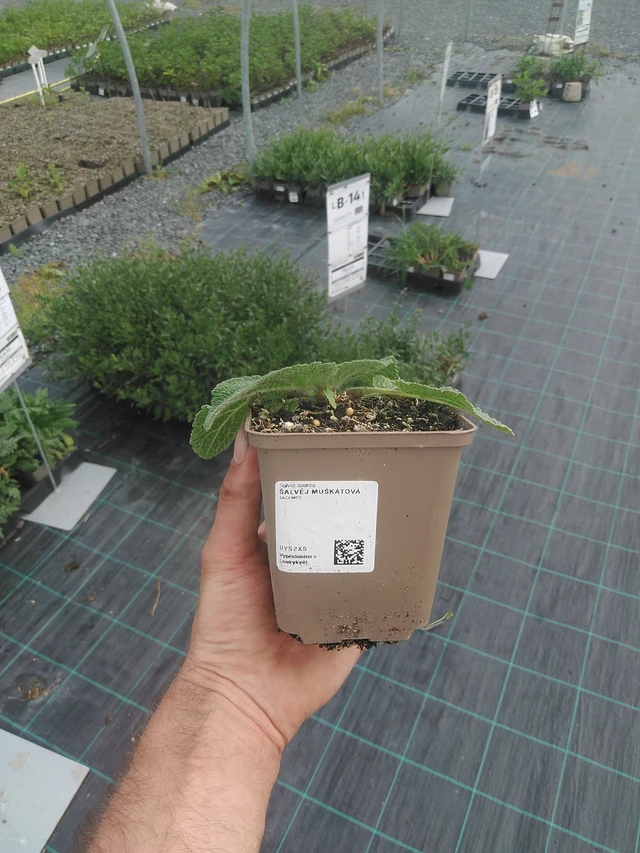
See how the seedling looks over the course of a year.


More products in category Sage

Salvia nemorosa
Woodland Sage Caradonna
Salvia nemorosa
Woodland Sage Ostfriesland
Salvia nemorosa
Woodland Sage Amethyst

Salvia nemorosa
Woodland Sage Schneehügel

Salvia nemorosa
Woodland Sage Adrian

Salvia nemorosa
Salvia Mainacht

Salvia pratensis
Meadow Sage Rose Rhapsody

Salvia nemorosa
Salvia Blauhügel

Salvia pratensis
Meadow Sage Swan Lake

Salvia nemorosa
Woodland sage Schwellenburg

Salvia verticilata
Whorled Sage Purple Rain

Salvia hybrida
Salvia Feathers Flamingo

Salvia gregii
Salvia Dancing Dolls

Salvia gregii
Salvia Nachtvlinder

Salvia pratensis
Meadow Sage Sweet Esmeralda

Salvia gregii
Salvia Blue Note

Salvia pratensis
Meadow Sage Twilight Serenade

Salvia pratensis
Meadow sage

Salvia gregii
Salvia Joy

Salvia gregii
Salvia Cherry Lips
More products in category Perennials
Alchemilla mollis
Lady's mantle Irish Silk

Achillea millefolium
Yarrow Summer Pastels

Verbena bonariensis
Verbena
Salvia nemorosa
Woodland Sage Caradonna
Perovskia atriplicifolia
Russian Sage
Gaura lindheimeri
Gaura Siskiyou Pink
Echinacea purpurea
Coneflower Rubinstern

Echinacea pallida
Echinacea pallida
Eryngium planum
Sea Holly
Echinacea purpurea
Coneflower Magnus
Salvia nemorosa
Woodland Sage Ostfriesland
Calamintha nepeta
Calamint Blue Cloud

Rudbeckia fulgida
Rudbeckia Goldsturm

Calamintha nepeta ssp. nepeta
Calamint

Gaura lindheimeri
Gaura Summer Breeze
Salvia nemorosa
Woodland Sage Amethyst
Leucanthemum vulgare
Daisy Maikönigin

Achillea millefolium
Yarrow Terracotta

Perovskia atriplicifolia
Russian sage Little Spire
Salvia nemorosa


