


Salvia gregii
Salvia Joy
Seedling

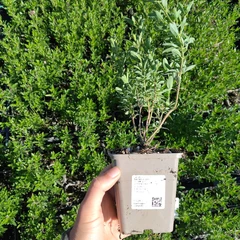
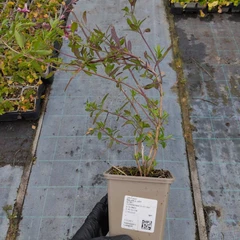
Attracts pollinators 🐝
Difficulty
Diseases
Edible
Flower color
Flower color: Shade
Foliage color
Fragrant (aromatic) 👃
Frost resistance
Hardiness zone
Height
Moisture
Pests
Position
Soil
Spacing
Spacing: Plants per m²
Species
Suitable for cutting
Suitable for drying
Recommended products

Salvia gregii
Salvia Blue Note

Lavandula angustifolia
Lavender Rosea

Achillea millefolium
Yarrow Lachsschönheit

Coreopsis verticillata
Coreopsis Moonbeam

Salvia nemorosa
Woodland sage Schwellenburg

Anemone hybrida
Japanese Anemone Whirlwind

Achillea millefolium
Yarrow Summer Pastels

Calamintha nepeta ssp. nepeta
Calamint

Agastache hybrida
Agastache Danish Delight

Anemone hupehensis
Anemone Praecox

Achillea millefolium
Yarrow Lilac Beauty

Helleborus orientalis
Hellebore Double Ellen Yellow Spotted

Geum rivale
Geum Mango Lassi

Salvia pratensis
Meadow Sage Rose Rhapsody

Filipendula hybridum
Meadowsweet Kahome

Potentilla nepalensis
Nepal Cinquefoil Miss Willmott

Anemone hybrida
Japanese anemone Lorelei

Sedum telephium
Sedum Star Dust

Hyssopus officinalis
Hyssop Albus

Rosmarinus officinalis
Rosemary Blue Rain

Panicum virgatum
Switchgrass Northwind

Nepeta racemosa
Catmint Walker’s Low

Delphinium hybrida
Larkspur Benary’s Pacific Galahad

Scutellaria
Skullcap Bumblebee Blues

Geum chiloense
Avens Tempest Scarlet

Gypsophila paniculata
Baby's Breath Snowflake

Melinis nerviglumis
Melinis Karoo Queen

Salvia pratensis
Meadow Sage Swan Lake

Geranium oxonianum
Geranium Claridge Druce

Sedum telephium
Sedum Herbstfreude
Cultivation
You will fall in love with 'Joy' sage for its airy appearance and low maintenance, provided you give it conditions imitating its homeland. The key to success is sun and dryness. Plant the seedlings in the warmest places in the garden, where the sun beats down for most of the day. The soil must not be humous or heavy; on the contrary, this sage loves poorer, stony, and sandy subsoils.
This sage is a great choice for growing in containers on terraces and balconies. Choose a sufficiently large pot with a drainage hole and use a herb substrate mixed with perlite or sand. A plant in a container will require slightly more frequent watering than in the open ground, but the rule always applies: it is better to let it dry out than to overwater. Fertilizing is not necessary for its prosperity, but a weak dose of fertilizer in the spring will support the vitality of the leaves and the setting of light pink flowers. Because the plant is free of pests and diseases, you don't have to worry about complicated chemical protection and can enjoy the presence of bees and butterflies attracted by the flowers.
To make your sage bring you joy for as long as possible, spring pruning is important. Since it is a subshrub with a woody base, we shorten last year's shoots only when the danger of severe frosts has passed (March/April), to a height of about 10–15 cm above the ground or to live wood. This will encourage dense growth and rich flowering, which lasts from late spring to autumn. During the summer, the plant is practically maintenance-free; only occasional pinching of faded tops will encourage the formation of new flowers. Its leaves smell pleasant and are edible, so you don't have to worry about planting it near a seating area or children's play area.
When it comes to overwintering, be careful. Although the plant can withstand frost down to -12 °C, in our conditions it is often harmed more by a combination of damp and cold than by the frost itself. If you grow it in a flowerbed, mound gravel or small stones (not bark, which retains moisture) around the base of the plant for the winter and cover it with pine branches. In colder areas, it is safer to grow it as a portable plant in a pot and hide it for the winter in a cool, bright space where the temperature does not drop below freezing. This will ensure that you will meet this beautiful perennial again in the next season.
The information given is based on our experience, please use it as a guide only. Times may vary depending on the season, climate, location, sowing and transplanting dates and possibly also the conditions in the greenhouse/greenhouse. We always recommend testing how the plant performs in your conditions. Please do not take this as a guarantee.
What potting mix should I prepare for growing in containers?
What should I do with the plant in winter if it is in the ground?
How far apart should I plant the seedlings?
Is Salvia 'Joy' suitable for growing in a pot?
How often and how much should I water the seedling?
Frequently asked questions
Basic information
How frost-resistant is the Joy sage and will it survive the winter?
Characteristics
How long does Salvia 'Joy' bloom?
Does this sage have a fragrance?
Is the plant edible or poisonous?
Does the plant attract bees and butterflies?
Is this sage a long-lived perennial?
Are the flowers of Salvia 'Joy' suitable for cutting for a vase or for drying?
Diseases & pests
Is this plant prone to any pests or diseases?
Growing
When and how should I prune the sage?
Photos in time
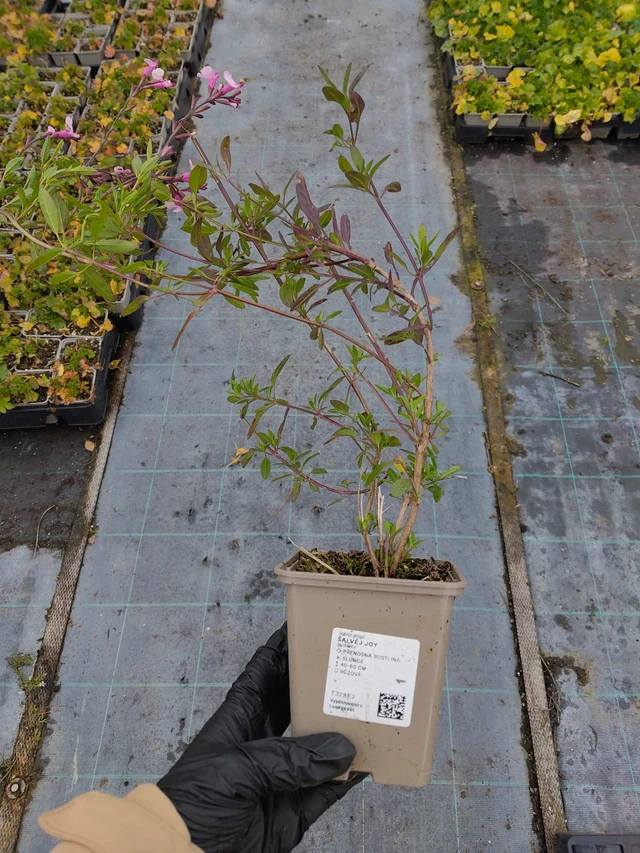
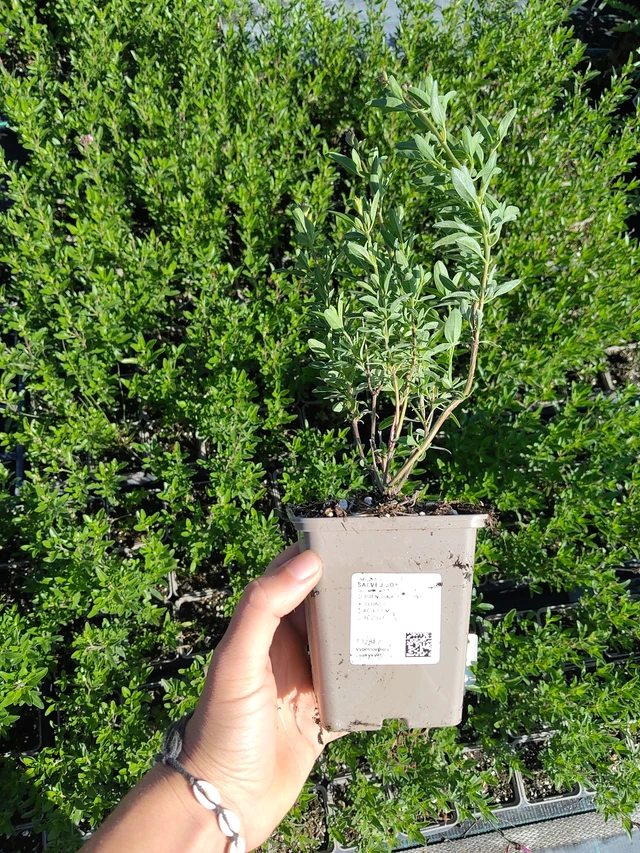
See how the seedling looks over the course of a year.


More products in category Sage

Salvia nemorosa
Woodland Sage Caradonna

Salvia nemorosa
Woodland Sage Ostfriesland

Salvia nemorosa
Woodland Sage Amethyst

Salvia nemorosa
Woodland Sage Schneehügel

Salvia nemorosa
Woodland Sage Adrian

Salvia nemorosa
Salvia Mainacht
Salvia pratensis
Meadow Sage Rose Rhapsody

Salvia nemorosa
Salvia Blauhügel
Salvia pratensis
Meadow Sage Swan Lake
Salvia nemorosa
Woodland sage Schwellenburg

Salvia verticilata
Whorled Sage Purple Rain

Salvia hybrida
Salvia Feathers Flamingo

Salvia gregii
Salvia Dancing Dolls

Salvia gregii
Salvia Nachtvlinder

Salvia pratensis
Meadow Sage Sweet Esmeralda
Salvia gregii
Salvia Blue Note

Salvia pratensis
Meadow Sage Twilight Serenade

Salvia pratensis
Meadow sage

Salvia gregii
Salvia Cherry Lips

Salvia pratensis
Meadow Sage Sky Dance
More products in category Perennials

Alchemilla mollis
Lady's mantle Irish Silk
Achillea millefolium
Yarrow Summer Pastels

Verbena bonariensis
Verbena
Salvia nemorosa
Woodland Sage Caradonna

Perovskia atriplicifolia
Russian Sage

Gaura lindheimeri
Gaura Siskiyou Pink

Echinacea purpurea
Coneflower Rubinstern

Echinacea pallida
Echinacea pallida

Eryngium planum
Sea Holly

Echinacea purpurea
Coneflower Magnus
Salvia nemorosa
Woodland Sage Ostfriesland

Calamintha nepeta
Calamint Blue Cloud

Rudbeckia fulgida
Rudbeckia Goldsturm
Calamintha nepeta ssp. nepeta
Calamint

Gaura lindheimeri
Gaura Summer Breeze
Salvia nemorosa
Woodland Sage Amethyst

Leucanthemum vulgare
Daisy Maikönigin

Achillea millefolium
Yarrow Terracotta

Perovskia atriplicifolia
Russian sage Little Spire
Salvia nemorosa


