Ireland
🟢 Eshop pro sazenice je opět otevřený. 🌱 Mám i sazenice jiřin a eukalyptů. 🟢

Scutellaria

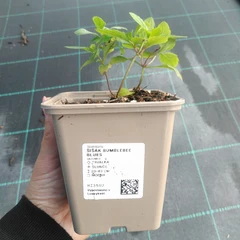
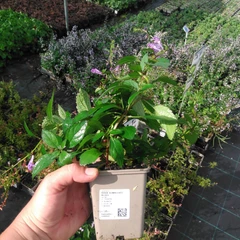
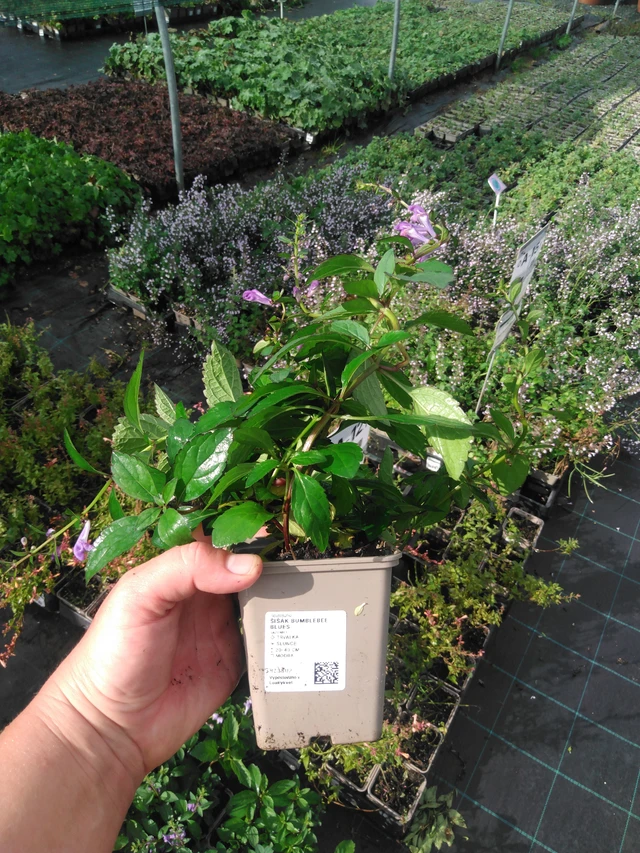
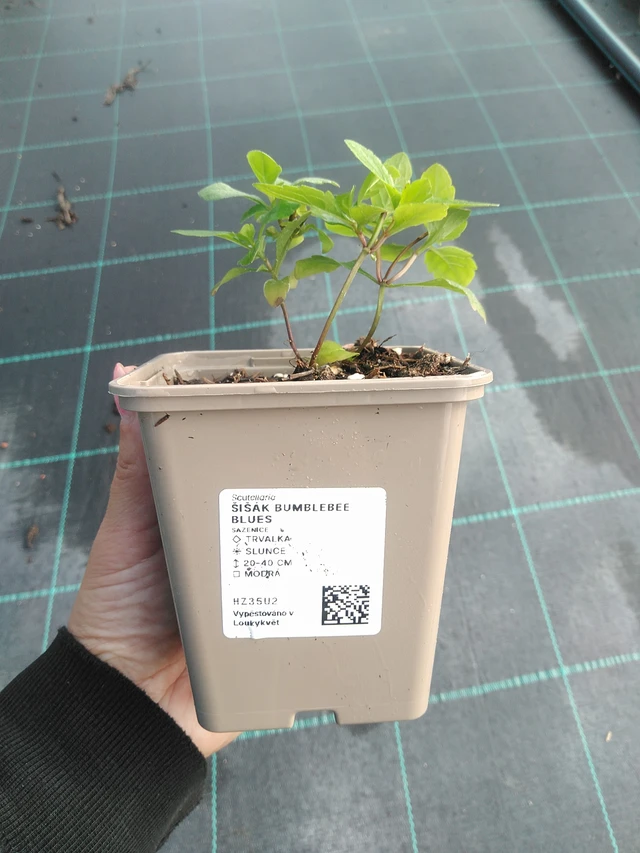
Šišák Bumblebee Blues

Dlouhověká trvalka šišák představuje skvělou volbu pro ozelenění slunných a sušších partií zahrady. Zástupci rodu Scutellaria přirozeně rostou na sluncem zalitých pláních s chudší propustnou půdou, odkud si odnesli naprostou nenáročnost a mrazuvzdornost. Odrůda Bumblebee Blues se vyznačuje mimořádně hustým růstem. Už začátkem léta začne tvořit nepřehlédnutelnou záplavu modrofialových květů, které dělají radost až do září. Šišák nevyžaduje vyvazování, nezná nemoci a spolehlivě zútulní okraje suchomilných záhonů nebo lemy cestiček. Zkuste vysadit sedm až devět rostlin na metr čtvereční a za chvíli se krásně propojí. Celou sezónu bude rostlina fungovat jako obrovské lákadlo pro opylovače, takže to u vás na záhonu bude krásně žít. Čistě modrofialové kvítky navíc můžete bez obav ochutnat. Show full description

Sazenice

Květináč K9 (9×9×9,5 cm)
1-2 kusy
5,19/ks
3-8 kusů
4,69/ks
9-17 kusů
4,19/ks
18+ kusů
3,89/ks
Skladem 0 ks
Připravujeme 408 ks s doručením od 24. 8. 2026

Attracts pollinators 🐝

Ano

Difficulty

Beginner

Diseases

Disease-free 🙂

Edible

Ano
?
Information on whether the plant is edible.

Flower color

Blue

Flower color: Shade

Blue-violet

Foliage color

Green

Fragrant (aromatic) 👃

Ne

Frost resistance

-28 °C
?
The temperature down to which the plant is frost hardy.

Hardiness zone

5a (-28.9 °C to -26.1 °C)

Height

20-40 cm

Moisture

💧

Pests

Pest-free 🙂

Position

Sun

Soil

Sandy, well-drained

Spacing

30-40 cm
?
Recommended planting spacing.

Spacing: Plants per m²

7-9

Species

Perennial

Suitable for cutting

Ne

Suitable for drying

Ne
1
2
3
4
5
6
7
8
9
10
11
12
Flowering
June
September

Cultivation

Šišák Bumblebee Blues je naprosto nenáročná trvalka, kterou zvládne vypěstovat i úplný začátečník. Pro úspěšné pěstování je klíčový výběr správného stanoviště. Této rostlině se nejlépe daří na přímém, horkém slunci a v chudší, dobře propustné půdě. Ideální je písčitá nebo štěrkovitá zemina. Těžkým a zamokřeným půdám se určitě vyhněte, protože v nich rostlina přes zimu uhnívá. Sazenice doporučujeme vysazovat na jaře nebo začátkem podzimu. Aby se rostliny na záhonu krásně propojily a vytvořily souvislý porost, dodržujte spon 30 až 40 centimetrů, což odpovídá zhruba sedmi až devíti rostlinám na metr čtvereční. Šišák je díky svému nižšímu vzrůstu 20 až 40 centimetrů skvělý pro lemování suchomilných záhonů nebo cestiček.

Po výsadbě sazenice mírně zalévejte, než spolehlivě zakoření. Jakmile se však šišák uchytí, stává se z něj velmi suchomilná rostlina, které vyhovuje spíše sucho. Zálivka by tedy měla být opravdu minimální, a to i během horkých letních dnů. Zcela odpadá i nutnost hnojení. Rostlina je zvyklá na chudé podmínky a přehnojení by naopak vedlo k vytáhlému a slabému růstu. Díky kompaktnímu tvaru šišák nevyžaduje žádnou oporu ani vyvazování. Velmi častým dotazem je pěstování v nádobách. Šišák můžete bez obav pěstovat i v květináči nebo truhlíku na slunné terase. Stačí použít lehký substrát smíchaný s pískem a zajistit na dně nádoby dostatečnou drenážní vrstvu pro rychlý odtok přebytečné vody.

Během léta, od června až do září, vás šišák odmění záplavou modrofialových květů, které jsou velkým lákadlem pro včely, motýly a další opylovače. Tyto čistě zbarvené kvítky jsou navíc jedlé, takže je můžete využít třeba ke zdobení letních pokrmů. Obrovskou výhodou této dlouhověké trvalky je naprostá absence škůdců a chorob, takže nemusíte řešit žádné postřiky. Na podzim rostlina zatahuje a nemá zimní efekt. Šišák je plně mrazuvzdorný až do -28 °C, takže nevyžaduje žádnou speciální zimní ochranu. Jedinou údržbou je tak brzký jarní řez, kdy před rašením nových výhonů jednoduše ostříháte všechny staré, odumřelé stonky těsně nad zemí, čímž podpoříte zdravý a hustý růst do další sezóny.

The information given is based on our experience, please use it as a guide only. Times may vary depending on the season, climate, location, sowing and transplanting dates and possibly also the conditions in the greenhouse/greenhouse. We always recommend testing how the plant performs in your conditions. Please do not take this as a guarantee.

Show all

Click to view the full growing instructions.

Frequently
asked
questions

Pěstování

Sklizeň

Vlastnosti

Stanoviště

Základní informace

Problémy

Nemoci & škudci

More products in category Scutellaria

Scutellaria incana

This species of skullcap originates from North America, where it grows in open woodlands. The plants form neat bushes and are also suitable as underplanting for deciduous trees. An interesting blue accent for bouquets and perennial beds. A great attraction for bees and bumblebees. Lasts 7 days in a vase.
2,79
Více ks od 1,99
Unavailable
Pro rok 2026 nedostupné

More products in category Perennials

Alchemilla mollis

Lady's mantle naturally grows on mountain pastures and meadows and in mixed forests. It is ornamental in both leaf and flower. The leaves have fine hairs giving the plant a velvety character. It is a perennial sought after by ancient alchemists for the drops of dew that appear in the pleated leaves. Valuable for florists for its multitude of tiny greenish-yellow flowers. Important in flower beds for its ground-covering character. Lasts 10 days in a vase.
2,99
Více ks od 2,09
In Stock s doručením od 29. 6. 2026

Achillea millefolium

An original wild perennial with a large distribution area from Europe to Siberia. Suitable for natural and wild plantings. It grows in meadows and dry grassy places. A very adaptable and undemanding plant, it grows in clumps and spreads by runners. By cutting back after the first flowering, we encourage a set of new flowers. For bouquets, we harvest when the florets are fully open. It lasts 10 days in a vase. Summer Pastels is characterized by a changeable and soft range of colors from white and vanilla to salmon, brick red, and bronze.
3,09
Více ks od 1,99
In Stock

Salvia nemorosa

This species of sage originally comes from the steppe regions of Central and Eastern Europe. It forms profusely flowering small clumps with straight upright stems. In flower beds, it looks best in groups. Traditionally, due to the identical flowering time, it is planted as a companion to roses. However, it will look just as good in mixed drought-loving steppe plantings with grasses. It lasts 7 days in a vase. The cultivar Caradonna stands out with a long flowering period and dark, almost black-purple stems with tiny purple flowers and dark purple bracts. If we cut it back after flowering, it will bloom again in late August and September.
2,99
Více ks od 2,09
In Stock s doručením od 6. 7. 2026

Verbena bonariensis

A verbena species originally from South America. In our country, it is often used as an annual, but in mild winters it can overwinter and reproduce by self-seeding. The firm, airy stems beautifully soften perennial beds and make them special with their purple color. It beautifully complements steppe plantings with grasses and rose beds.
3,29
Více ks od 2,29
In Stock

Gaura lindheimeri

Gaura is a clump-forming perennial native to Texas and Louisiana. Here, it behaves more like a short-lived perennial. It combines beautifully with grasses and adds lightness and airiness to flower beds. It is an excellent food source for insects. Tiny flowers resembling small butterflies bloom tirelessly from June until the first frosts. For bouquets, harvest as soon as the first two or three flowers open on the stem. Siskiyou Pink is a beautiful variety with pink-red flowers on slightly arching stems. It is less hardy than the white-flowering varieties. The red-spotted leaves are also interesting.
2,99
Více ks od 2,09
In Stock

Perovskia atriplicifolia

Perovskia are sparsely branched subshrubs, native to regions from Afghanistan to Tibet. They grow in open, sunny, rocky, and stony habitats. Their white felted shoots and grayish aromatic leaves are striking. They are suitable for sunny flower beds alongside other drought-loving perennials, where they create interesting structures even in the winter months.
2,99
Více ks od 2,09
In Stock s doručením od 6. 7. 2026
For Drying

Eryngium planum

A perennial that finds its place in naturalistic steppe and gravel beds. It attracts bees, bumblebees, and butterflies. It is floristically valuable for its flowers with striking bracts, which are also perfect for drying. The roots of some species were formerly eaten candied as sweets in England and France and added to pastries and jellies. In herbal medicine, it was used as an aphrodisiac, among other things, hence its folk name "male fidelity".
2,79
Více ks od 1,99
Coming Soon s doručením od 24. 8. 2026

Echinacea purpurea

A valuable garden and medicinal perennial, native to North America. It blooms in summer with dark purple-pink flowers. The spiky flower centers are an irresistible attraction for butterflies. They last 7–10 days in a vase. After removing the petals, the stems with the central disks can be dried or used in fresh bouquets as an interesting element. Magnus features distinctive deep pink flowers with an orange-brown center.
2,99
Více ks od 2,09
In Stock s doručením od 29. 6. 2026

Echinacea pallida

A valuable garden and medicinal perennial, native to North America. It blooms in late summer and captivates with long drooping petals. The spiky flower centers are an irresistible attraction for butterflies. It lasts 7–10 days in a vase. After removing the petals, the stems with the central discs can be dried or used in fresh bouquets as an interesting element.
2,99
Více ks od 2,09
In Stock s doručením od 24. 8. 2026

Echinacea purpurea

A valuable garden and medicinal perennial, originally from North America. It blooms in summer with dark purple-pink flowers. The spiky flower discs are an irresistible lure for butterflies. Lasts 7–10 days in a vase. After plucking the petals, the stems with the central discs can be dried or used in fresh bouquets as an interesting element. Rubinstern is very similar to the Magnus cultivar; the petals are darker and firmer. As they fade, they gradually pale and droop downwards.
2,99
Více ks od 2,09
In Stock posledních 75 kusů

Rudbeckia fulgida

Rudbeckia, also known as coneflowers, originates from North America; they are robust and abundantly blooming perennials of late summer and autumn. They are suitable for prairie plantings with tall grasses as well as for cottage gardens. The central disks look very effective even after flowering and decorate perennial beds throughout the winter. Harvest for the vase as soon as they bloom. Vase life is 7 to 10 days. We can also use the dry central disks. Goldsturm is a reliable and long-proven cultivar. It has bright golden-yellow flowers with dark centers.
2,79
Více ks od 1,99
In Stock

Salvia nemorosa

This species of sage originates from the steppe regions of Central and Eastern Europe. It forms abundantly flowering small clumps with straight upright stems. In beds, it looks best in groups. Traditionally, it is planted as a companion to roses due to the matching flowering time. However, it will look equally good in mixed drought-loving steppe plantings with grasses. It is an excellent food source for bees. It lasts 7 days in a vase. The cultivar Ostfriesland blooms with a strikingly dark violet-blue color.
2,99
Více ks od 2,09
In Stock

Gaura lindheimeri

Gaura is a clump-forming perennial native to Texas and Louisiana. Here, it behaves more like a short-lived perennial. It combines beautifully with grasses and adds lightness and airiness to flower beds. It is excellent pasture for insects. Tiny flowers resembling small butterflies bloom tirelessly from June until the first frosts. For bouquets, harvest as soon as the first two or three flowers on the stem open. Summer Breeze has a rich abundance of flowers in white and pink. It is robust and hardy.
2,99
Více ks od 2,09
In Stock

Calamintha nepeta

An undemanding and modest perennial that blooms with a large number of tiny flowers. It blooms for a record-breaking length of time throughout late summer and autumn. It forms smaller, compact, airy bushes that emit a minty-spicy fragrance. The thyme-like flowers attract bees, bumblebees, and butterflies. It will look good among roses as well as in natural-style steppe beds, perhaps with lower grasses.
2,79
Více ks od 1,99
In Stock posledních 74 kusů

Leucanthemum vulgare

A classic perennial for early summer bouquets and cottage gardens. For bouquets, we harvest flowers with firm, smooth central disks. Then they last 7–10 days in a vase. Maikönigin is an exceptionally abundantly flowering garden form.
2,79
Více ks od 1,99
In Stock

Salvia nemorosa

This species of sage originates from the steppe regions of Central and Eastern Europe. It forms profusely flowering small clumps with straight, upright stems. In flower beds, it looks best in groups. It is traditionally planted as a companion to roses due to the matching flowering time. However, it looks equally good in mixed drought-tolerant steppe plantings with grasses. It is an excellent food source for bees. Lasts 7 days in a vase. Amethyst is an elegant variety with long stems and a pink flower color that is unusual for sages.
2,99
Více ks od 2,09
In Stock s doručením od 6. 7. 2026

Achillea millefolium

A native wild perennial with a large distribution range from Europe to Siberia. Suitable for natural and wild plantings. It grows in meadows and dry grassy places. A very adaptable and undemanding plant, it grows in clumps and spreads via runners. Cutting back after the first bloom encourages a new set of flowers. Harvest for bouquets when the tiny flowers are fully open. It lasts 10 days in a vase. Terracotta features ochre, shades of orange and yellow, and gray-green foliage.
2,99
Více ks od 2,89
In Stock

Calamintha nepeta ssp. nepeta

An undemanding and modest perennial that blooms with a large number of tiny flowers. It blooms for a record-breaking length of time throughout late summer and autumn. It forms smaller, compact, airy bushes that release a minty-spicy scent. The thyme-like flowers attract bees, bumblebees, and butterflies. It will look good among roses as well as in naturalistic steppe beds, perhaps with lower grasses. This calamint is generally more vigorous. It differs from other calamints with felted leaves by its record flowering length, stiff and shiny leaves, and also a larger number of flowers that do not form seeds and are therefore maximally durable. Sometimes sold under the cultivar name 'Triumphator'.
2,79
Více ks od 1,99
In Stock

Salvia nemorosa

This species of sage originates from the steppe regions of Central and Eastern Europe. It forms abundantly flowering small clumps with straight upright stems. In beds, it looks best in groups. Traditionally, it is planted as a companion to roses due to the matching flowering time. However, it will look equally good in mixed drought-loving steppe plantings with grasses. It is an excellent food source for bees. It lasts 7 days in a vase. Schneehügel blooms white.
2,99
Více ks od 2,09
In Stock

Anemone hybrida

Anemones come from the same family as buttercups. With their elegant flowers on long slender stems, they can liven up and brighten late summer and autumn beds. They stand out against the darker background of shrub groups and will also be grateful for their partial shade. The Czech Perennial Association chose autumn Anemones as the perennial of the season for 2022. They last 7 days in a vase. Whirlwind is a historical variety bred in 1887 in the USA. It has a semi-double pure white flower, often with inner twisted petals, and compact, strictly upright growth. The flowers are very durable.
3,49
Více ks od 3,59
In Stock