Ireland
🟢 The Loukykvět shop for seedlings is open once again. 🟢
Ireland
🟢 The Loukykvět shop for seedlings is open once again. 🟢
Plumbago, Loukykvět
Plumbago, Loukykvět

Ceratostigma plumbaginoides

Plumbago

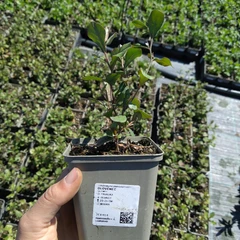
Leadwort is an excellent and very hardy ground-cover perennial that originally comes from regions of western China, where it commonly grows on sunny to semi-shaded rocky slopes. You will receive a mature plant in a pot from us, which you can simply transplant directly into your garden. With a height of twenty to twenty-five centimeters, it will quickly become an unobtrusive but very hardworking inhabitant of your beds. It thrives best in well-drained loamy or sandy soil with regular watering. The real color show begins at the end of summer. From August to October, the plant is richly covered in a flood of tiny flowers in vibrant shades of royal and azure blue that attract bees and other pollinators. The originally green leaves simultaneously gradually change their color to deep red and burgundy. In the garden, it serves as a perfect underplanting for taller shrubs. It is not suitable for cutting for a vase or for drying, but it does not require support, is avoided by pests, and reliably withstands frosts down to minus twenty-five degrees. Show full description

Seedling

Květináč K9 (9×9×9,5 cm)
Seedling
1-2 kusy
3,79/ks
3-8 kusů
3,49/ks
9-17 kusů
3,09/ks
18+ kusů
2,69/ks
Add to cart
Skladem 90 ks

Attracts pollinators 🐝

Yes

Difficulty

Beginner

Diseases

Disease-free 🙂

Edible

No
?
Information on whether the plant is edible.

Flower color

Blue

Flower color: Shade

Azure, royal blue

Foliage color

Burgundy, green, red

Fragrant (aromatic) 👃

No

Frost resistance

-25 °C
?
The temperature down to which the plant is frost hardy.

Hardiness zone

5b (-26.1 °C to -23.3 °C)

Height

20-25 cm

Moisture

💧💧

Pests

Pest-free 🙂

Position

Sun, partial shade

Soil

Sandy, loamy, well-drained

Spacing

30-30 cm
?
Recommended planting spacing.

Spacing: Plants per m²

12-13

Species

Perennial

Suitable for cutting

No

Suitable for drying

No
1
2
3
4
5
6
7
8
9
10
11
12
Flowering
August
October

Recommended products

Griffith's leadwort, Loukykvět
Special offer

Ceratostigma griffithii

Ceratostigma is a ground-covering plant native to the Himalayas. It is drought-resistant and valuable for its unusually late flowering time. It sprouts later in the spring, but late summer and autumn are the peak of the season for it. Its gentian-blue flowers appear from August to October and contrast with the red-colored autumn foliage.
3,46
3,09
More from 2,19
In Stock posledních 85 kusů
Rock rose Supreme, Loukykvět

Helianthemum hybrida

Cherry-red flowers and dark green leaves make the Rock rose 'Supreme' (Helianthemum hybrida) an unmissable element of every garden. The roughly twenty-centimeter subshrub blooms tirelessly from May to July, bringing with it the atmosphere of sun-drenched meadows. Although the delicate flowers cannot be dried or cut for a vase, they fully compensate for this in the garden. They intensely attract pollinators and are completely edible, so you can use them to liven up dishes in the kitchen. The Rock rose thrives in conditions similar to its natural environment on sun-warmed rocky slopes. Sufficient heat, direct sun, and lean, well-drained sandy soil are essential for it. Thanks to the rooted potted seedling you will receive from us, planting directly in its permanent location is very easy. The plant stands out for its high resistance to common diseases and pests and reliably handles frosts down to -23 °C. It holds its shape even in winter, so no empty space remains afterward. It is excellent for gravel areas, path borders, and among other drought-tolerant perennials. You will make the biggest impression if you plant several pieces together; the ideal spacing for planting is 30 to 40 centimeters.
4,29
More from 3,19
In Stock posledních 91 kusů
Lavender Rosea, Loukykvět

Lavandula angustifolia

Lavenders are a must for every sunny herb garden. We classify them as sub-shrubs, and they are valuable for gardens due to their winter habit. They add not only color and structure to flower beds but also an unmistakable fragrance. They will look good with lower-growing drought-loving grasses and perennials. Rosea blooms a sweet pink.
4,29
More from 3,89
In Stock
Rock rose The Bride, Loukykvět

Helianthemum hybrida

Rock rose The Bride is an ideal choice for sun-drenched and dry spots in your garden where other plants would struggle. This evergreen subshrub is characterized by its creeping growth and tiny, silvery-gray leaves that retain their attractiveness even in winter, providing a year-round effect. In nature, rock roses inhabit rocky slopes and dry meadows, which is why even in the garden they require well-drained, poorer, and rather sandy soil in full sun. They handle summer droughts without problems and are rewarding residents of rockeries, dry stone walls, or the edges of perennial beds, where they form dense carpets. From May to July, the plant literally cloaks itself in a flood of pure white flowers with a yellow center, attracting numerous bees and other pollinators. The Bride cultivar stands out precisely for the elegant contrast of snow-white flowers and silvery foliage. Although the flowers are not suitable for cutting into a vase, they put on a great show in their habitat and brighten up every corner. To maintain its compact, cushion-like shape and abundant flowering in subsequent years, we recommend trimming the plant after it finishes blooming, which will boost its vitality.
4,29
More from 2,99
In Stock posledních 60 kusů
Calamint Blue Cloud, Loukykvět

Calamintha nepeta

Lesser calamint Blue Cloud is an undemanding and modest perennial that reliably perfumes any sunny garden. Its original homeland is the sunny and dry slopes of Southern Europe, which is why it thrives best here in direct sun in well-drained, sandy, or poorer loamy soil. It handles winter without problems, tolerating frosts down to minus twenty-three degrees. You will receive a grown seedling in a pot from us, which you just need to transplant straight into the flowerbed, where it will very soon form a compact, airy small shrub reaching a height of up to forty centimeters. It does not suffer from any diseases or pests, so even complete beginners can easily handle caring for it. Throughout late summer and into autumn, it blooms with a record number of tiny blue flowers that are so typical of the Blue Cloud variety. The whole plant emits a pleasant minty-spicy scent, and its flowers, which resemble thyme, act as a literal magnet for bees, bumblebees, and butterflies. It will look great among roses or in naturally designed steppe flowerbeds, where it naturally complements lower ornamental grasses. Additionally, both the blue flowers and green leaves are edible, so you can use them to garnish summer dishes. Lesser calamint is also excellently suited for cutting into smaller fresh bouquets, adding a fine structure to them in a vase.
2,79
More from 1,99
In Stock s doručením od 28. 9. 2026
Aster Blue King, Loukykvět
New

Aster amellus

The aster 'Blue King' will reliably wake your garden to life in late summer and autumn. In the wild, it grows in sun-drenched meadows and the edges of bright forests. Thus, a sunny location and normal loamy, well-drained soil suit it best. From our well-rooted seedling in a pot, a strong plant up to sixty centimeters high will grow after transplanting into the flower bed. It grows compactly and firmly, so it easily does without any support. The 'Blue King' cultivar boasts a rich set of blue-purple flowers, which you will enjoy from August to October. It is an extremely resilient and long-lived perennial that even complete beginners can handle. It can withstand severe frosts; it's only good to watch out for aphids, slugs, and powdery mildew. The flowers are a great attraction for bees and butterflies and are perfectly suited for cutting into a vase, where they stay fresh for many days.
3,29
More from 2,29
Unavailable
Pro rok 2026 nedostupné
Bloody Cranesbill Apfelblüte, Loukykvět
New

Geranium sanguineum

The bloody cranesbill is a vigorous and undemanding perennial suitable for sunny places. Besides the flowers, the finely divided leaves have ornamental value, additionally coloring effectively in autumn. The cute cup-shaped flowers of the smaller Apfelblüte cultivar really resemble apple blossoms in shape and color. The soft pink color is highlighted by darker veins and contrasts beautifully with the dark green leaves. Furthermore, they turn fiery red in autumn.
2,99
More from 2,09
In Stock
Skullcap Bumblebee Blues, Loukykvět
New

Scutellaria

The long-lived perennial skullcap represents a great choice for greening up sunny and drier parts of the garden. Representatives of the Scutellaria genus naturally grow on sun-drenched plains with poorer, well-drained soil, from where they acquired their absolute undemanding nature and frost resistance. The 'Bumblebee Blues' variety is characterized by extremely dense growth. Already at the beginning of summer, it starts forming an unmissable flood of blue-purple flowers that bring joy until September. Skullcap does not require tying up, knows no diseases, and will reliably cozy up the edges of drought-tolerant flower beds or path borders. Try planting seven to nine plants per square meter, and in no time they will beautifully connect. For the entire season, the plant will act as a huge attraction for pollinators, so it will be beautifully alive in your flower bed. Moreover, you can taste the pure blue-purple flowers without any worries.
5,19
More from 3,89
In Stock
Siberian squill Alba, Loukykvět
New

Scilla siberica

Scilla bifolia 'Rosea' is a beautiful and low-maintenance bulbous plant that will reliably bring fresh colors to your flower beds after a long winter. Its small, star-shaped flowers have an unusual light pink shade and bloom fully on upright stems during April and May. Originally from Central and Southern Europe, thanks to its natural modesty and complete resistance to frost, it is an ideal plant even for absolute beginners. It looks best in the undergrowth beneath deciduous trees and larger shrubs. Before the trees are fully leafed out in spring, the squill uses the sun's rays to bloom in full. You can safely plant it directly into the lawn, where it will gradually spread until it eventually creates a continuous pink carpet. Once the flowers open, they become a great attraction for the first spring pollinators, providing them with much-needed food. It requires no complex care and will bring you joy for many years in a suitable spot.
0,202
In Stock
Agastache Danish Delight, Loukykvět

Agastache hybrida

Agastache Danish Delight will bring lightness and a wonderful fragrance to your summer garden. It loves full sun and very well-draining, even drier sandy or loamy soil. Once it gets used to your flowerbed, it does not require any complex care and effortlessly handles even harsher winter frosts dropping down to minus twenty-three degrees. Although it is classified as a short-lived perennial, its exceptionally abundant and persistent blooming will completely make up for it during the season. From July to September, it forms dense spikes of tiny pink and purple flowers, which are complemented by green, highly aromatic leaves. The whole plant gives a very elegant impression and grows to a height of around sixty to eighty centimeters. In the flowerbed, it looks great in larger groups, planted about half a meter apart, and gets along excellently with ornamental grasses or other drought-tolerant species. Moreover, it blooms continuously throughout the summer and acts as a huge attraction for bees, bumblebees, and butterflies, providing them with a generous pasture. A healthy clump will quickly grow from the supplied grown seedling in a pot. Fortunately, the plant does not suffer from pests or diseases at all, so even complete beginners can manage growing it. Not only will this agastache brighten up the garden, but it is also perfectly suited for cutting for home crafting. Its sturdy stems full of flowers look fantastic in summer bouquets, adding an interesting height to them, and stay fresh in a vase without problems for a little over a week. It can also be used for drying in winter arrangements, because it holds its color very well. A great bonus is that both the fragrant leaves and the flowers themselves are fully edible. You can use them to decorate summer desserts, salads, or refreshing drinks and pleasantly surprise your guests.
3,49
More from 2,39
In Stock
Aster ageratoides Starshine, Loukykvět

Aster ageratoides

These asters are perfectly suitable for low-maintenance plantings as undergrowth between shrubs and trees. After establishing, they cope very well with drought and root pressure. They are therefore also recommended for large-scale plantings in public greenery. The cultivar 'Starshine' blooms with tiny, pure white flowers with bright yellow centers. Its advantage is a very long flowering period and resistance to powdery mildew. It tolerates even drier soil and has no problem blooming in light partial shade. It lasts 7 to 10 days in a vase.
3,49
More from 2,39
In Stock posledních 38 kusů
Aster Blue Star, Loukykvět

Aster ericoides

Fine tiny leaves and well-branched long stems with a large number of tiny star-shaped flowers make this aster an ideal autumn cut flower. In flowerbeds, it serves as a fluffy delicate filler and brightens up the garden after summer perennials have finished flowering. It looks good combined with roses and in wild plantings with grasses. It is important for bees and butterflies as the last forage before winter. Lasts 7 to 10 days in a vase. The Blue Star inflorescence consists of thousands of tiny flowers – little stars of light blue color with a yellow center. Forms a compact bush.
3,29
More from 2,29
Unavailable
Pro rok 2026 nedostupné
Spanish Bluebell Excelsior, Loukykvět

Hyacinthoides hispanica

The Spanish Bluebell is a beautiful bulbous plant native to southwestern Europe, where it grows in light deciduous forests. Multiple leaves grow from the bulb, but only one flower stalk. The plant propagates well on its own in the right location via daughter bulbs and seeds, creating colonies. It blooms from May to June. The leaves die back soon after flowering. For the longest vase life, it is best to harvest them just before the florets open. Then they last up to 14 days in a vase.
0,403
In Stock
Ornamental Carrot Dara, Loukykvět

Daucus carota

Pure splendor! Thin, sturdy stems with umbel inflorescences resembling dill at their ends. On each stem, there are thousands of tiny blooms creating the effect of a veil or lace. This is a mix of colors, where some flowers are pure white, while most are chocolate to burgundy with a touch of white, sometimes even pink.
1,99
In Stock
Gaura Siskiyou Pink, Loukykvět
Special offer

Gaura lindheimeri

Gaura Siskiyou Pink is a charming perennial that brings lightness and airiness to the garden. Its original native area is in the warm regions of Texas and Louisiana, which is why it thrives in full sun and well-drained sandy soil. It grows in clumps and from June until the autumn frosts produces tiny raspberry-pink flowers that resemble fluttering butterflies. An interesting detail of this variety is the green leaves with a bronze tint and red spots. It is an absolutely undemanding plant, does not suffer from diseases or pests, and even beginners can handle its care. You will receive a grown seedling in a pot from us, which you simply need to transplant directly into the flowerbed. Here it complements ornamental grasses perfectly and acts as an attraction for bees and bumblebees. Although it grows more as a short-lived perennial in our climate, in a suitable place it reliably self-seeds. Occasional pinching will encourage richer branching. Gaura is excellent for summer bouquets. We cut the stems for a vase as soon as the first two to three little flowers open.
3,03
2,59
More from 1,79
In Stock
Sedum Star Dust, Loukykvět

Sedum telephium

A very hardy and long-lived perennial with an almost year-round effect. It creates upright clumps, and the flowers attract bees and butterflies. 'Stardust' has flowers that are, untraditionally for a stonecrop, white.
2,99
More from 2,09
In Stock s doručením od 12. 10. 2026
Betony, Loukykvět

Betonica grandiflora

Big betony, or also large-flowered betony, belongs to the perennials that will catch your eye at first sight with their robustness and elegance. It is native to the mountain meadows of the Caucasus and northern Iran, where it decorates sunny grassy slopes. In the garden, it creates dense ground-level clumps of deep green, heart-shaped leaves with distinct crinkling, which look very decorative throughout the season and reliably suppress weeds. From June to August, sturdy upright stems rise above this green carpet, topped with spike-like inflorescences in a rich purplish-violet shade. The flowers are literally a magnet for bees, bumblebees, and other pollinators, so you will bring a lot of buzzing life to the garden with it. This long-lived and reliable perennial is an ideal choice even for beginning growers because it does not suffer from diseases or pests and handles winter frosts excellently. It thrives best in full sun or partial shade in well-drained, loamy soil that retains some moisture. Thanks to its height of about 40 to 60 cm, it is perfectly suited for the edges of flower beds or as an undergrowth beneath taller shrubs and roses. Betony is also a rewarding plant for cutting into summer bouquets, where its striking color and sturdy stem will continue to bring joy for several days.
2,99
More from 2,09
In Stock
Cranesbill Karen Wouters, Loukykvět
New

Geranium hybrida

Geranium 'Karen Wouters' forms neat and relatively dense clumps. The leaves are green, finely palmately divided, and hairy. Flowers are light lavender-pink with darker purple veining.
3,49
More from 2,39
In Stock posledních 19 kusů
Gaura, Loukykvět

Gaura lindheimeri

Gaura is a charming clump-forming perennial whose original homeland is the sunny plains of Texas and Louisiana. In the garden, it will appreciate exactly the conditions it is used to from nature, meaning full sun and well-drained, even poorer and sandy soil. A sturdy clump that grows to a height of around eighty centimeters will grow from the seedling you receive. It belongs among the very undemanding plants for beginners, which are completely avoided by diseases and pests. Although it behaves more like a short-lived perennial here, it willingly self-seeds in a suitable location. The tiny little flowers colored in pure white and light pink shades resemble small butterflies and bloom tirelessly from June all the way to October. It adds extraordinary lightness and airiness to flower beds, making it combine beautifully with ornamental grasses. During its long months of blooming, gaura is constantly surrounded by bees, for which it represents a rich food source. The flowers are perfectly suited for cutting into summer bouquets. We harvest the stems for vases as soon as the first two to three little flowers open on the stem. On the contrary, the plant is not suitable for drying.
2,99
More from 2,09
In Stock s doručením od 12. 10. 2026
Goldenrod Fireworks, Loukykvět
New

Solidago rugosa

A native North American species. Exceptional among other goldenrods. It has horizontally and arching stems on which fireworks of tiny bright yellow star-shaped florets gradually bloom. It spreads via short rhizomes into moderate clumps. It never spreads invasively by seeds. This is its great advantage verified by long-term testing.
2,99
More from 2,09
In Stock
Alpine Squill Rosea, Loukykvět

Scilla bifolia

Two-leaf squill 'Rosea' is a beautiful and undemanding bulb that will reliably bring fresh colors to your flower beds after a long winter. Its tiny star-shaped flowers have an unusual light pink shade and bloom fully on upright stems during April and May. It originally comes from central and southern Europe, and thanks to its natural modesty and absolute resistance to frost, it is an ideal plant even for complete beginners. It looks best in the undergrowth beneath deciduous trees and larger shrubs. Before the trees fully leaf out in the spring, the squill uses the sun's rays to bloom fully. You can also safely plant it directly into the lawn, where it will gradually spread until it eventually forms a continuous pink carpet. Once the flowers open, they become a great attraction for the first spring pollinators, providing them with much-needed food. It requires no complex care and will bring you joy for many years in a suitable spot. The customer will receive bulbs from us ready for autumn planting.
0,202
In Stock
Chocolate Cosmos, Loukykvět
New
Special offer

Cosmos atrosanguineus

Chocolate Cosmos is an interesting perennial originating from sunny Mexico, where it grows in warmer regions in full sun in permeable sandy or loamy soil. It didn't get its name by accident; its velvety burgundy flowers emit a very striking scent reminiscent of dark chocolate. You will receive a mature potted seedling from us that just needs to be transplanted. Because the plant can only withstand frost down to -12 °C, it requires slightly more advanced care and is most often grown as a portable plant. It will thrive in a larger container on a sunny terrace, or you can simply sink the pot into a perennial flower bed. Before the onset of winter, you can easily remove it and store it in a cool, frost-free room. From July to October, Cosmos will reward you with a rich profusion of flowers that reliably attract bees and butterflies. It is a healthy plant that does not suffer from diseases or pests. The fragrant flowers on sturdy stems look wonderful in summer bouquets and remain beautiful in a vase for many days.
3,46
2,89
More from 1,99
In Stock
Lobelia Queen Victoria, Loukykvět
Special offer

Lobelia fulgens

Lobelia Queen Victoria is an unmissable perennial for lovers of vibrant colors and striking contrasts. Its original homeland is the moister regions of North and Central America, so in your garden as well, it will appreciate more abundant watering and humous, well-drained loamy soil. If you provide it with a sunny to semi-shady location, it will reward you with radiant carmine-red flowers from August to October. These create a perfect spectacle in combination with dark burgundy to bronze leaves and sturdy stems that reach a height of just under one meter. You will receive a beautifully grown seedling in a pot from us, which you just need to transplant directly into the flowerbed. Here it perfectly complements plants with similar moisture requirements. The flowers act as a reliable magnet for bees and other pollinators, and you can also cut them for a vase, where they will liven up your interior. Growing this short-lived perennial requires a little more attention, especially when it comes to protection from slugs, which like to feast on it. Before winter, it is also good to keep in mind that its frost resistance reaches minus fifteen degrees, and to provide it with suitable protection. Also remember that all parts of the lobelia are poisonous, so it is advisable to consider the planting location with regard to pets.
2,81
2,59
More from 1,79
In Stock s doručením od 28. 9. 2026
Mullein Plum Smokey, Loukykvět

Verbascum hybrida

A beautiful although rather short-lived perennial, ideal for steppe areas together with fine drought-tolerant grasses and perennials. We harvest it for bouquets as soon as approximately half of the flowers in the inflorescence are open. Lasts about 5 days in a vase. A beautiful cultivar with flowers in shades of purple and pink.
3,49
More from 2,39
In Stock posledních 50 kusů
Joe Pye Weed Atropurpureum, Loukykvět

Eupatorium maculatum

Eupatorium 'Atropurpureum' is a stout and long-lived perennial that will bring a bold vertical element and plenty of life to your garden. In its native range on the damp meadows of North America, it forms dense stands, which is why even in the garden it will appreciate a sunny to semi-shady spot with nutritious, humous, and sufficiently moist soil, whether it is loamy or clayey. You will receive a beautifully grown potted seedling from us, which you just need to transplant to your chosen spot. Here, it will quickly form a massive clump of sturdy, dark red-purple stems that grow up to two meters tall and do not need support. During the summer, from July to September, huge flat inflorescences up to twenty-five centimeters in diameter open at their tops. These light purple to pink flowers emit a pleasant fragrance and act as a literal magnet for bees, butterflies, and other pollinators. It is a completely undemanding plant avoided by pests and diseases, and it easily survives even very severe frosts well below minus thirty degrees. Eupatorium works excellently as a striking solitary plant in the back of a flowerbed or near water features. If you like to decorate your home, you can also use its sturdy stems for cutting into summer bouquets. In the autumn, it pays off not to remove the faded inflorescences, because when covered with frost in the winter months, they create a magnificent spectacle in the flowerbed.
2,99
More from 2,89
In Stock
Speedwell First Love, Loukykvět

Veronica longifolia

The long-lived Speedwell 'First Love' perennial will breathe fresh life into your flowerbeds thanks to a flood of tiny flowers in an unconventional bubblegum-pink color. In the wild, you would find its relatives in light and slightly moist meadows, so it will do best in your garden in sun or partial shade in common loamy soil full of nutrients. You don't have to worry about freezing winters; the plant easily handles temperatures dropping to minus thirty-four degrees. From the beginning of summer until the end of August, striking pink inflorescences tower over the foliage, acting as a reliable magnet for pollinators. It looks best in the garden alongside other perennials; it is ideal to keep a spacing of about forty centimeters. Be sure to cut the sturdy stems for a vase as well, where they will make a wonderful display as a fresh bouquet, but this species is not suitable for florists looking for dried flowers.
3,79
More from 2,69
In Stock
Columbine meadow-rue, Loukykvět

Thalictrum aquilegiifolium

Columbine meadow-rue is a charming perennial that looks like a fluffy colored cloud in the garden. Its species name refers to the striking resemblance of its leaves to columbines; they are finely divided, grayish-green, and very decorative even before flowering. Originally, this species grows in moister open forests and meadows of Europe and Asia, which is why it will also thrive in your garden in humus-rich and non-drying soil in full sun or partial shade. In June and July, the plant drapes itself in a veil of tiny blossoms, consisting mainly of conspicuous clusters of stamens without petals. These fluffy inflorescences in shades of lilac and light pink attract a multitude of pollinators and bees. Thanks to its height, which can exceed one meter, it is perfectly suited for the background of perennial beds, to which it adds lightness, height, and airiness. The flowers are also excellent for cutting into a vase, where they stay fresh and act as a delicate filler material. It is a long-lived and completely frost-resistant plant suitable even for beginners; you just need to keep in mind that it is poisonous.
3,79
More from 2,69
Coming Soon
Anemone September Charm, Loukykvět

Anemone

Autumn anemones are an indispensable part of perennial beds because they take over the flowering baton at a time when most summer species are already fading and the garden begins to take on autumn tones. The original botanical species grow in the moister soils of China and Japan, which predestines their growing requirements in our conditions. They require well-drained but non-drying soil rich in nutrients, ideally in partial shade under trees. 'September Charm' is a reliable variety that will delight you with large pink flowers with a prominent yellow center. The flowers on tall branching stems look very romantic and attract the last pollinators, especially bees. They are excellently suited for cutting into autumn bouquets, where they will stay in good condition for about a week. The plant is hardy and long-lived, but remember that as a representative of the buttercup family, it is poisonous.
3,49
More from 2,39
In Stock posledních 59 kusů

Cultivation

Tato nenáročná trvalka dosahuje výšky dvaceti až pětadvaceti centimetrů a nejlépe se jí daří na slunném stanovišti nebo v lehkém polostínu. Právě dostatek slunečních paprsků zajistí nejbohatší kvetení a intenzivní podzimní zbarvení listů do vínových a sytě červených odstínů. Půda by měla být především dobře propustná, ideálně hlinitá nebo písčitá. Těžkým a přemokřeným jílovitým půdám se raději vyhněte. Pro vytvoření souvislého půdopokryvného koberce dodržujte spon třicet centimetrů, což odpovídá zhruba dvanácti až třinácti rostlinám na metr čtvereční.
Zálivku udržujte běžnou a středně vydatnou. Olověnec má rád vlhčí půdu, ale nesnáší trvalé zamokření. Po výsadbě dopřejte sazenici pravidelný přísun vody, aby dobře zakořenila, starší rostliny si již s běžnými výkyvy počasí poradí mnohem lépe. Rostlina nevyžaduje žádné speciální hnojení, na jaře jí postačí přidat trochu uleželého kompostu. V průběhu sezóny oceníte, že jde o dlouhověkou rostlinu zcela bez škůdců a chorob, takže se vyhnete jakémukoliv chemickému ošetřování. Během srpna až října navíc svými královsky a azurově modrými květy spolehlivě přitahuje včely a další užitečné opylovače.
S příchodem zimy olověnec nevyžaduje žádnou mimořádnou péči. Jde o mimořádně odolnou trvalku, která bez potíží snáší mrazy až do minus pětadvaceti stupňů (zóna 5b).
  • Na podzim rostlina zatahuje a ztrácí nadzemní část.
  • Zaschlé výhony ponechte přes zimu na záhoně, poslouží jako přirozená ochrana proti holomrazům.
  • Před příchodem jara proveďte zpětný řez a odumřelé stonky seřízněte těsně nad zemí, čímž podpoříte vitální růst nových výhonů.
Zákazníci se často ptají, zda lze olověnec pěstovat i v nádobách. Odpověď zní ano, je to vynikající volba pro větší květináče a truhlíky na slunné terasy. Při pěstování v nádobě nezapomeňte na kvalitní drenážní vrstvu na dně a odtokový otvor. Použijte propustný substrát vylehčený pískem. U rostlin v květináči pouze pamatujte na to, že substrát vysychá rychleji než volná půda na zahradě, proto zálivku kontrolujte o něco častěji.

The information given is based on our experience, please use it as a guide only. Times may vary depending on the season, climate, location, sowing and transplanting dates and possibly also the conditions in the greenhouse/greenhouse. We always recommend testing how the plant performs in your conditions. Please do not take this as a guarantee.

Show all

Click to view the full growing instructions.

Frequently
asked
questions

Základní informace

Stanoviště

Nemoci & škudci

Problémy

Vlastnosti

Pěstování

Množení

Photos
in time

See how the seedling looks over the course of a year.
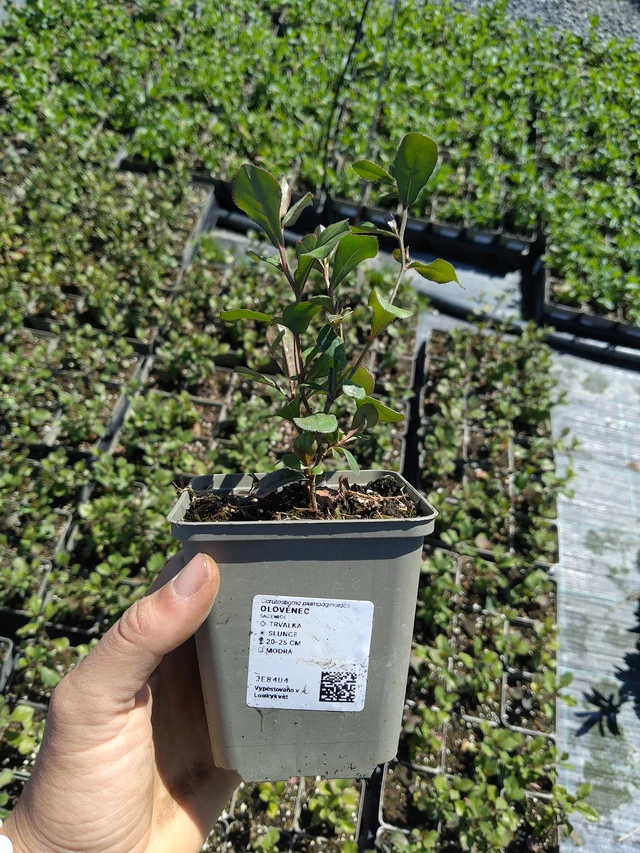
Plumbago - 12. 8. 2026
12. 8. 2026

More products in category Olověnec

Griffith's leadwort, Loukykvět
Special offer

Ceratostigma griffithii

Ceratostigma is a ground-covering plant native to the Himalayas. It is drought-resistant and valuable for its unusually late flowering time. It sprouts later in the spring, but late summer and autumn are the peak of the season for it. Its gentian-blue flowers appear from August to October and contrast with the red-colored autumn foliage.
3,46
3,09
More from 2,19
In Stock posledních 85 kusů

More products in category Perennials

Lady's mantle Irish Silk, Loukykvět

Alchemilla mollis

Alchemilla mollis, known as lady's mantle, is an indispensable perennial for anyone who wants to bring harmony and softness to the garden. Its home is the moister environments of mountain meadows and light forests, making it a very adaptable plant that will survive even severe frosts without problems in our climate. The 'Irish Silk' cultivar is prized for its vitality and abundant blooming, where clouds of tiny, yellow-green flowers float above clumps of gray-green leaves. It is precisely this neutral color that can work wonders in a flower bed – it softens overly sharp contrasts between other flowers and beautifully unifies the entire composition. Besides its ornamental function, lady's mantle also has practical uses. Thanks to its clumping growth and ability to quickly fill in, it is ideal for edging pathways or as an underplanting beneath taller shrubs and roses. Water droplets catch on its leaves, creating a magical spectacle in the garden. If you enjoy making bouquets, you will love lady's mantle as versatile filler greenery that matches almost anything. It will last beautiful for about ten days in a vase, and its inflorescences can also be easily dried without losing too much of their color or shape. Moreover, it is a magnet for pollinators, and its young leaves are even edible, so it also finds use in a natural kitchen.
2,99
More from 2,09
In Stock s doručením od 28. 9. 2026
Yarrow Summer Pastels, Loukykvět

Achillea millefolium

An original wild perennial with a large distribution area from Europe to Siberia. Suitable for natural and wild plantings. It grows in meadows and dry grassy places. A very adaptable and undemanding plant, it grows in clumps and spreads by runners. By cutting back after the first flowering, we encourage a set of new flowers. For bouquets, we harvest when the florets are fully open. It lasts 10 days in a vase. Summer Pastels is characterized by a changeable and soft range of colors from white and vanilla to salmon, brick red, and bronze.
3,09
More from 1,99
In Stock s doručením od 28. 9. 2026
Woodland Sage Caradonna, Loukykvět

Salvia nemorosa

This species of sage originally comes from the steppe regions of Central and Eastern Europe. It forms profusely flowering small clumps with straight upright stems. In flower beds, it looks best in groups. Traditionally, due to the identical flowering time, it is planted as a companion to roses. However, it will look just as good in mixed drought-loving steppe plantings with grasses. It lasts 7 days in a vase. The cultivar Caradonna stands out with a long flowering period and dark, almost black-purple stems with tiny purple flowers and dark purple bracts. If we cut it back after flowering, it will bloom again in late August and September.
2,99
More from 2,09
Unavailable
Pro rok 2026 nedostupné
Verbena, Loukykvět
Special offer

Verbena bonariensis

A verbena species originally from South America. In our country, it is often used as an annual, but in mild winters it can overwinter and reproduce by self-seeding. The firm, airy stems beautifully soften perennial beds and make them special with their purple color. It beautifully complements steppe plantings with grasses and rose beds.
3,03
2,59
More from 1,79
In Stock
Russian Sage, Loukykvět

Perovskia atriplicifolia

Russian sage reliably brings a touch of sunny steppes into the garden and places almost no demands on care. These sparsely branched subshrubs originally come from harsh, rocky areas from Afghanistan to Tibet, where they grow on open sun-drenched plains. Thanks to its origin, it delights in full sun and poor, well-drained sandy soil with minimal moisture. You will receive from us a well-rooted seedling in a pot, which just needs to be transplanted straight to the chosen spot in the flower bed. It does not need support, is avoided by common pests and diseases, and will survive frosts down to minus twenty-eight degrees. It grows up to one hundred and twenty centimeters and forms striking white felted shoots with silvery grey aromatic leaves. From July to October, it blooms with tiny blue-purple flowers that act as a lure for bees and butterflies and are even edible. Russian sage stands out next to drought-tolerant perennials. The flowers are suitable for cutting and drying for winter arrangements. Moreover, the silvery stems will ensure a beautiful winter effect in the flower bed.
2,99
More from 2,09
In Stock s doručením od 28. 9. 2026
Gaura Siskiyou Pink, Loukykvět
Special offer

Gaura lindheimeri

Gaura Siskiyou Pink is a charming perennial that brings lightness and airiness to the garden. Its original native area is in the warm regions of Texas and Louisiana, which is why it thrives in full sun and well-drained sandy soil. It grows in clumps and from June until the autumn frosts produces tiny raspberry-pink flowers that resemble fluttering butterflies. An interesting detail of this variety is the green leaves with a bronze tint and red spots. It is an absolutely undemanding plant, does not suffer from diseases or pests, and even beginners can handle its care. You will receive a grown seedling in a pot from us, which you simply need to transplant directly into the flowerbed. Here it complements ornamental grasses perfectly and acts as an attraction for bees and bumblebees. Although it grows more as a short-lived perennial in our climate, in a suitable place it reliably self-seeds. Occasional pinching will encourage richer branching. Gaura is excellent for summer bouquets. We cut the stems for a vase as soon as the first two to three little flowers open.
3,03
2,59
More from 1,79
In Stock
Echinacea pallida, Loukykvět

Echinacea pallida

The pale coneflower is one of the exceptionally interesting prairie perennials of the North American continent. In its natural environment, it grows on open, sunny plains, which is why it thrives best in our gardens in full sun in drier, well-drained soil. You just need to transplant this grown seedling straight into the flower bed, where it will reliably take root. It does not need support, easily withstands severe frosts, and is avoided by common diseases and pests, making it ideal for beginner growers. During June and July, it will reward you with aromatic flowers with unusually narrow and drooping petals in light purple and pink tones. The prominent prickly centers are literally a magnet for bees and bumblebees, and the flowers themselves are surprisingly edible. The plant stands out especially in rustic plantings together with ornamental grasses. Gardeners and florists love it for its versatility. The fresh stems bring joy in a vase for about a week. Moreover, the distinctive central cones hold their shape perfectly, can be perfectly dried for winter decorations, or left in the flower bed, where they will create an eye-catching winter structure under a layer of snow.
2,99
More from 2,09
Coming Soon
Coneflower Magnus, Loukykvět

Echinacea purpurea

A valuable garden and medicinal perennial, native to North America. It blooms in summer with dark purple-pink flowers. The spiky flower centers are an irresistible attraction for butterflies. They last 7–10 days in a vase. After removing the petals, the stems with the central disks can be dried or used in fresh bouquets as an interesting element. Magnus features distinctive deep pink flowers with an orange-brown center.
2,99
More from 2,09
Coming Soon
Coneflower Rubinstern, Loukykvět

Echinacea purpurea

A valuable garden and medicinal perennial, originally from North America. It blooms in summer with dark purple-pink flowers. The spiky flower discs are an irresistible lure for butterflies. Lasts 7–10 days in a vase. After plucking the petals, the stems with the central discs can be dried or used in fresh bouquets as an interesting element. Rubinstern is very similar to the Magnus cultivar; the petals are darker and firmer. As they fade, they gradually pale and droop downwards.
2,99
More from 2,09
In Stock
Sea Holly, Loukykvět
For drying

Eryngium planum

Sea holly is an indispensable perennial for all lovers of naturally styled gardens. It earned its folk name - male fidelity - in times when it was used in herbal medicine as an aphrodisiac, and its roots were even candied as sweets in France and England. Today, however, you will appreciate it mainly for its low maintenance and unique appearance. Its home is on sunny hillsides and dry meadows, so even in our gardens, it will welcome well-drained, even poorer sandy soil and full sun. It produces upright, sturdy stems topped with blue-purple flowers with prickly bracts, which bring interesting structure and a silvery touch to the flowerbeds. It is literally a magnetic plant for bees, bumblebees, and butterflies, who find a rich food source on it. Floristically, it is extremely valuable, because its flowers are perfectly suited for cutting as well as drying for winter decorations. If you decide not to harvest it, feel free to leave it in the flowerbed all winter. Its silhouette covered in hoarfrost creates a wonderful winter effect. Although it is a short-lived perennial, in a suitable location it reliably self-seeds, so you will enjoy its beauty for many years.
2,79
More from 1,99
In Stock
Woodland Sage Ostfriesland, Loukykvět

Salvia nemorosa

This species of sage originates from the steppe regions of Central and Eastern Europe. It forms abundantly flowering small clumps with straight upright stems. In beds, it looks best in groups. Traditionally, it is planted as a companion to roses due to the matching flowering time. However, it will look equally good in mixed drought-loving steppe plantings with grasses. It is an excellent food source for bees. It lasts 7 days in a vase. The cultivar Ostfriesland blooms with a strikingly dark violet-blue color.
2,99
More from 2,09
In Stock
Rudbeckia Goldsturm, Loukykvět

Rudbeckia fulgida

Rudbeckia Goldsturm is a reliable and long-lived perennial that will bring the warm tones of late summer and autumn into your garden. It originally comes from the open plains and prairies of North America, so it delights most in sunny locations with common garden soil, whether it is loamy, humus-rich, or clayey. You will receive from us an already grown seedling in a pot, which you just need to transplant to the chosen spot in the flower bed. It is a completely undemanding plant, does not suffer from diseases or pests, and easily survives severe frosts. The Goldsturm cultivar grows to a height of about seventy centimeters and does not need support. From August to October, it produces a flood of golden-yellow flowers with distinctly dark centers. These edible flowers attract pollinators and fit perfectly into both prairie and rustic plantings. Rudbeckia is also great for cutting, lasting around ten days in a vase. In addition, the distinctive dark centers can be easily dried. If you leave them in the flower bed over the winter, they will provide a wonderful spectacle.
2,79
More from 1,99
In Stock posledních 89 kusů
Calamint Blue Cloud, Loukykvět

Calamintha nepeta

Lesser calamint Blue Cloud is an undemanding and modest perennial that reliably perfumes any sunny garden. Its original homeland is the sunny and dry slopes of Southern Europe, which is why it thrives best here in direct sun in well-drained, sandy, or poorer loamy soil. It handles winter without problems, tolerating frosts down to minus twenty-three degrees. You will receive a grown seedling in a pot from us, which you just need to transplant straight into the flowerbed, where it will very soon form a compact, airy small shrub reaching a height of up to forty centimeters. It does not suffer from any diseases or pests, so even complete beginners can easily handle caring for it. Throughout late summer and into autumn, it blooms with a record number of tiny blue flowers that are so typical of the Blue Cloud variety. The whole plant emits a pleasant minty-spicy scent, and its flowers, which resemble thyme, act as a literal magnet for bees, bumblebees, and butterflies. It will look great among roses or in naturally designed steppe flowerbeds, where it naturally complements lower ornamental grasses. Additionally, both the blue flowers and green leaves are edible, so you can use them to garnish summer dishes. Lesser calamint is also excellently suited for cutting into smaller fresh bouquets, adding a fine structure to them in a vase.
2,79
More from 1,99
In Stock s doručením od 28. 9. 2026
Gaura Summer Breeze, Loukykvět

Gaura lindheimeri

The charming gaura comes from the sun-drenched plains of Texas and Louisiana and represents exactly the plant that can liven up any drought-tolerant planting. It is a naturally profusely blooming perennial that delights in full sun and well-drained, sandy, and nutrient-poor soil. You will receive from us an already grown seedling in a pot, which will quickly form a vigorous clump after being transplanted into the garden. From early summer until late autumn, it will delight you with a flood of tiny flowers in pure white and delicate pink tones. The flowers gently sway in the breeze and with their appearance resemble a flock of tiny butterflies, which also really like to land on the plant, as do bees and bumblebees. Although gaura is known as a short-lived perennial, thanks to its willing self-seeding, it will last for many years in your garden. Caring for it is completely undemanding, it is avoided by most diseases and pests, and it can handle frosts down to eighteen degrees below zero without any problems. It is often used in mixed borders, where it beautifully softens the overall impression, and perfectly matches various types of ornamental grasses. The Summer Breeze variety is popular for its strong and healthy growth as well as its exceptionally generous set of flowers, which grow to about one meter. If you like to create your own bouquets, do not hesitate to cut gaura for a vase. Harvesting is best done the moment the first small flowers on the stem begin to open. These delicate flowers are not suitable for drying into dried arrangements, but they will beautifully lighten up fresh bouquets.
2,99
More from 2,09
Unavailable
Pro rok 2026 nedostupné
Woodland Sage Amethyst, Loukykvět

Salvia nemorosa

This species of sage originates from the steppe regions of Central and Eastern Europe. It forms profusely flowering small clumps with straight, upright stems. In flower beds, it looks best in groups. It is traditionally planted as a companion to roses due to the matching flowering time. However, it looks equally good in mixed drought-tolerant steppe plantings with grasses. It is an excellent food source for bees. Lasts 7 days in a vase. Amethyst is an elegant variety with long stems and a pink flower color that is unusual for sages.
2,99
More from 2,09
Unavailable
Pro rok 2026 nedostupné
Calamint, Loukykvět

Calamintha nepeta ssp. nepeta

An undemanding and modest perennial that blooms with a large number of tiny flowers. It blooms for a record-breaking length of time throughout late summer and autumn. It forms smaller, compact, airy bushes that release a minty-spicy scent. The thyme-like flowers attract bees, bumblebees, and butterflies. It will look good among roses as well as in naturalistic steppe beds, perhaps with lower grasses. This calamint is generally more vigorous. It differs from other calamints with felted leaves by its record flowering length, stiff and shiny leaves, and also a larger number of flowers that do not form seeds and are therefore maximally durable. Sometimes sold under the cultivar name 'Triumphator'.
2,79
More from 1,99
In Stock s doručením od 28. 9. 2026
Daisy Maikönigin, Loukykvět

Leucanthemum vulgare

A classic perennial for early summer bouquets and cottage gardens. For bouquets, we harvest flowers with firm, smooth central disks. Then they last 7–10 days in a vase. Maikönigin is an exceptionally abundantly flowering garden form.
2,79
More from 1,99
In Stock
Yarrow Terracotta, Loukykvět

Achillea millefolium

A native wild perennial with a large distribution range from Europe to Siberia. Suitable for natural and wild plantings. It grows in meadows and dry grassy places. A very adaptable and undemanding plant, it grows in clumps and spreads via runners. Cutting back after the first bloom encourages a new set of flowers. Harvest for bouquets when the tiny flowers are fully open. It lasts 10 days in a vase. Terracotta features ochre, shades of orange and yellow, and gray-green foliage.
2,99
More from 2,89
In Stock
Russian sage Little Spire, Loukykvět

Perovskia atriplicifolia

Perovskia are sparsely branched subshrubs, originating from areas ranging from Afghanistan to Tibet. They grow in open, sunny, rocky, and stony habitats. Their white-felted shoots and grayish aromatic leaves are striking. They fit well in sunny flower beds with other drought-loving perennials, where they create interesting structures even in the winter months. Little Spire is a smaller cultivar suitable even for pots with a soil volume of 7 liters or more.
3,49
More from 3,59
In Stock s doručením od 28. 9. 2026
Woodland Sage Schneehügel, Loukykvět

Salvia nemorosa

This species of sage originates from the steppe regions of Central and Eastern Europe. It forms abundantly flowering small clumps with straight upright stems. In beds, it looks best in groups. Traditionally, it is planted as a companion to roses due to the matching flowering time. However, it will look equally good in mixed drought-loving steppe plantings with grasses. It is an excellent food source for bees. It lasts 7 days in a vase. Schneehügel blooms white.
2,99
More from 2,09
In Stock