Ireland
🌸 Předprodej jiřin spustíme 3. února 2026 v 10.00. 🌸
Sage luční, Loukykvět

Salvia pratensis

Sage luční

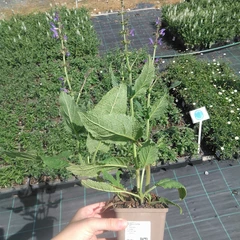
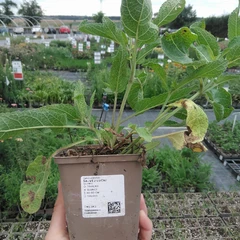
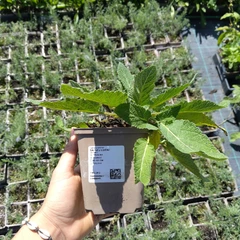
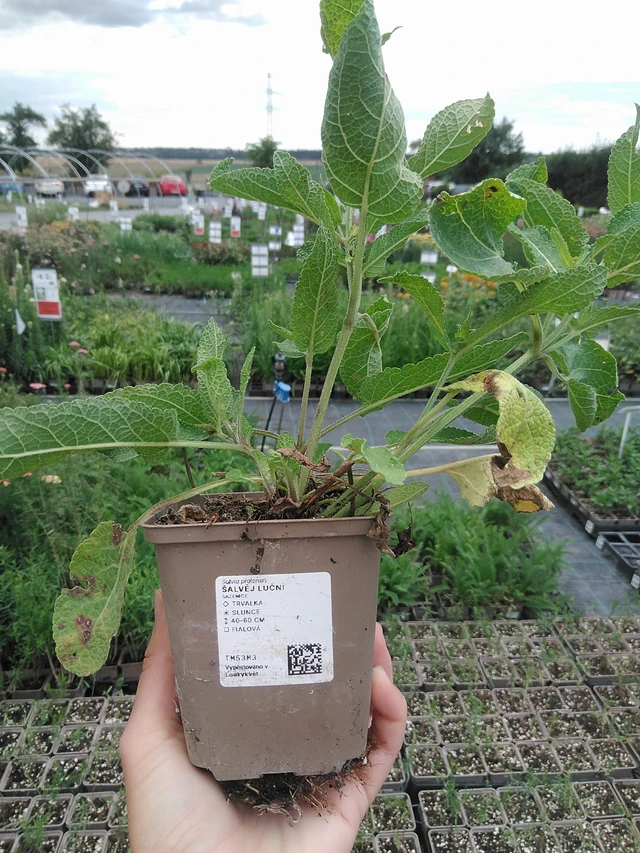
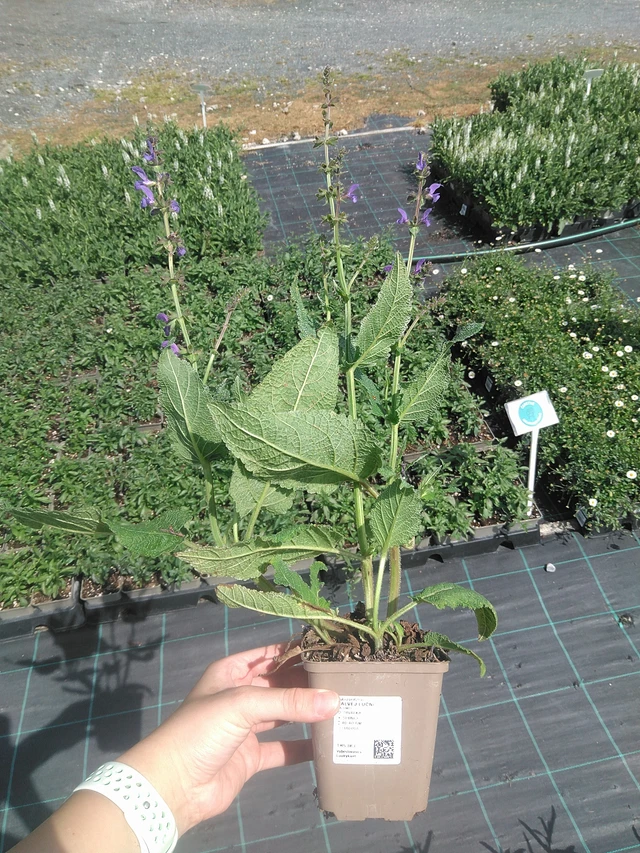
Meadow sage occurs primarily in warmer regions of our country, especially in South Moravia and in Northern and Central Bohemia. It grows in sunny meadows and slopes and along roadsides. Fragrant leaves form a basal rosette, from which several less leafy branched stems emerge. The inflorescences are composed of striking labiate flowers, which are a great attraction for bees and bumblebees. Show full description

Vyprodáno

Seedling

Vyprodáno
 za where

Barva květu

Fialová

Barva listu

Zelená

Druh

Trvalka

Mrazuvzdornost

-40
?
Do jaké teploty daná rostlina odolává mrazům.

Mrazuvzdornost (zóna)

3a (-40 °C až -37.2 °C)

Náročnost

Začátečník

Půda

Chudá, propustná

Spon

40-40 cm
?
Doporučený spon pro pěstování.

Spon: Počet na m2

7

Stanoviště

Slunce

Vhodné k řezu

Ano

Výška

40-60 cm
1
2
3
4
5
6
7
8
9
10
11
12
Kvetení
May
September

Recommended products

Salvia pratensis

Meadow sage occurs in our country primarily in warmer regions, especially in warmer regions, especially in South Moravia and Northern and Central Bohemia. It grows in sunny meadows, hillsides, and along roads. Its fragrant leaves form a basal rosette, from which several less leafy, branched stems emerge. The inflorescences are composed of striking, lipped flowers that are a great attraction for bees and bumblebees. 'Rose Rhapsody' has light pink flowers.
Sold Out
V prodeji opět na jaře 2026

Hyssopus officinalis

Hyssop, similar to lavender, is classified as a low woody subshrub. It can be used in similar types of plantings, with roses or in gravel beds of a steppe character. It also has culinary and medicinal uses. A great attraction for bees, bumblebees, and butterflies. Sweet pink flower color.
Sold Out
V prodeji opět na jaře 2026

Salvia pratensis

Meadow Sage (Salvia pratensis) occurs predominantly in warmer regions in our country, especially in southern Moravia and northern and central Bohemia. It grows on sunny meadows and hillsides and along roadsides. Fragrant leaves form a basal rosette, from which several less leafy, branched stems emerge. The inflorescences are composed of prominent lipped flowers, which are a great attraction for bees and bumblebees. 'Twilight Serenade' blooms purplish-blue.
Sold Out
V prodeji opět na jaře 2026

Alchemilla mollis

Lady's mantle naturally grows in mountain pastures and meadows, and in mixed forests. It is ornamental both in leaf and flower. The leaves have fine hairs, giving the plant a velvety character. It is a perennial sought after by ancient alchemists for the dew drops that appear in the leaf fans. Valuable for florists for its abundance of tiny greenish-yellow flowers. Important in beds for its ground-covering nature. It lasts 10 days in a vase.
Sold Out
V prodeji opět na jaře 2026

Linaria purpurea

A perennial of delicate appearance with upright thin stems. It blooms repeatedly throughout the summer until autumn. The flowers are purple, small, and delicate. The leaves are also delicate, linear. Lasts 14 days in a vase.
Sold Out
V prodeji opět na jaře 2026

Hyssopus officinalis

Hyssop (Hyssopus officinalis), similar to lavender, is classified as a low, woody subshrub. It is suitable for similar types of plantings, with roses or in gravel beds of a steppe character. It also has culinary and medicinal uses. A great attraction for bees, bumblebees, and butterflies. Beautiful blue flower colour.
Sold Out
V prodeji opět na jaře 2026

Lychnis coronaria

A short-lived perennial with silver, softly felted stems and leaves. It blooms for a very long time, with a new flower opening each day, replacing the previous one. The basic species has simple, purplish-pink flowers.
Sold Out
V prodeji opět na jaře 2026
Lze sušit

Goniolimon tataricum

In nature, it is found in steppes on dry pastures and rocky slopes of Central and Southern Europe. It is a well-known floristically utilized plant. Excellent for use fresh or dried. For drying, select only stems with fully bloomed flowers. Hang flowers upside down in a dry, airy, and dark place.
Sold Out
V prodeji opět na jaře 2026

Brunnera macrophylla

Brunnera is a long-lived perennial native to the mountain meadows and forests of the Caucasus. It is interesting not only when in bloom. The leaves are large, heart-shaped, and light green. They form a contrasting background for the delicate and small flowers that appear above the carpet of leaves from April to May. It sprouts early and retracts late, making it a valuable groundcover perennial.
Sold Out
V prodeji opět na jaře 2026

Achillea millefolium

An original wild perennial with a large distribution area from Europe to Siberia. Suitable for natural and wild plantings. It grows in meadows and dry grassy areas. A very adaptable and undemanding plant, it grows in clumps and spreads by runners. Pruning after the first bloom will encourage new flowers. For bouquets, harvest when the florets are fully open. It lasts 10 days in a vase. The Lachsschönheit cultivar is prized for its perfect transition of tones from salmon pink to creamy.
Sold Out
V prodeji opět na jaře 2026
Lze sušit

Eryngium planum

A perennial that finds its use in naturalistic steppe and gravel beds. It attracts bees, bumblebees, and butterflies. It's floristically valuable for its flowers with striking bracts, which are also perfect for drying. The roots of some species were once candied as sweets in England and France and added to pastries and jellies. In herbal medicine, it was used, among other things, as an aphrodisiac, hence its folk name 'male fidelity'.
Sold Out
V prodeji opět na jaře 2026

Verbascum hybridum

A beautiful, though rather short-lived, perennial, ideal for steppe areas alongside delicate xerophilous grasses and perennials. For bouquets, harvest when approximately half of the flowers in the inflorescence are open. It lasts about 5 days in a vase. An exceptional cultivar with flowers in peach and apricot tones, transitioning to an elegant old rose as they fade.
Sold Out
V prodeji opět na jaře 2026

Aquilegia vulgaris

A versatile perennial suitable for both country and modern flower beds. It also thrives in wild natural plantings. While its main charm lies in the adorable flowers that appear in late spring, it is also valuable in beds for its early-sprouting leaves. Aquilegias add airiness and lightness to perennial beds and bouquets. It lasts 7 days in a vase. Heidi has romantic pink flowers.
Sold Out
V prodeji opět na jaře 2026

Sedum spectabile

A very hardy and long-lived perennial with an almost year-round effect. It forms upright clumps, and its flowers attract bees and butterflies. 'Matrona' tolerates nutritious soil well, provided it is well-drained. It has firm and stable stems.
Sold Out
V prodeji opět na jaře 2026

Aster novi-belgii

Originating from the northeastern USA and southern Canada, where it grows in moist areas, in thickets and along coasts. It readily hybridizes with other Aster species, resulting in countless varieties. Unlike New England asters, its flowers do not close at night or in unfavorable weather, making them perfect for cutting into a vase. We must consider their susceptibility to powdery mildew, which can be prevented by choosing a suitable location. It lasts 7 to 10 days in a vase. Marie Ballard is a double-flowered cultivar with bright blue flowers.
Sold Out
V prodeji opět na jaře 2026

Gaura lindheimeri

Gaura is a clump-forming perennial native to Texas and Louisiana. In our climate, it behaves more like a short-lived perennial. It combines beautifully with grasses and adds lightness and airiness to flowerbeds. It is an excellent food source for insects. Tiny, butterfly-like flowers bloom tirelessly from June until the first frosts. For bouquets, we harvest as soon as the first two to three flowers open on the stem. Siskiyou Pink is a beautiful variety with rose-red flowers on slightly arched stems. Less hardy than white-flowering varieties. The red-spotted leaves are also interesting.
Sold Out
V prodeji opět na jaře 2026

Hydrangea paniculata

Panicle hydrangeas are beautiful shrubs native to China and Japan, where their bark, among other things, was used for paper production. We grow them for their impressive conical inflorescences. They are undemanding and profusely flowering plants suitable for planting in flower beds and larger containers. The large inflorescences of the Silver Dollar cultivar gradually change color from fresh green to white. In autumn, they turn only subtly pink.
Sold Out
V prodeji opět na jaře 2026

Echinacea purpurea

A valuable garden and medicinal perennial, native to North America. The spiky flower cones are an irresistible magnet for butterflies. They last 7–10 days in a vase. After the petals are picked, the stems with the central cones can be dried or used in fresh bouquets as an interesting element. White Swan blooms with milky white flowers with brown-orange centers. The petals are not spread out completely horizontally; they bend slightly downwards.
Sold Out
V prodeji opět na jaře 2026

Hyssopus officinalis

Hyssop, similar to lavender, is classified as a low woody subshrub. It can be used in similar types of plantings, with roses or in steppe-like gravel beds. It also has culinary and medicinal uses. A great attraction for bees, bumblebees, and butterflies. Beautiful blue flower color.
Sold Out
V prodeji opět na jaře 2026

Artemisia ludoviciana

Artemisia with exclusive silvery foliage. A North American species by origin. Aromatic leaves. Lasts 5 to 7 days in a vase.
Sold Out
V prodeji opět na jaře 2026

Aquilegia vulgaris

A versatile perennial suitable for both rural and modern garden beds. It also works well in wild, naturalistic plantings. Its main charm lies in its cute flowers, which appear in late spring, but it's also valuable in beds for its early-sprouting leaves. Columbines add airiness and lightness to perennial beds and bouquets. It lasts 7 days in a vase. Kristall is a large-flowered variety with white blooms and striking spurs.
Sold Out
V prodeji opět na jaře 2026

Salvia nemorosa

This species of sage originally comes from the steppe regions of Central and Eastern Europe. It forms richly flowering small clumps with straight, upright stems. In flower beds, it looks best in groups. Traditionally, it is planted as an accompaniment to roses for its coincident flowering time. However, it will also look great in mixed xerophilous steppe plantings with grasses. It is an excellent food source for bees. It lasts 7 days in a vase. Adrian is a white-flowering cultivar.
Sold Out
V prodeji opět na jaře 2026

Verbena hastata

A perennial verbena species native to North America. In its natural habitats, it grows in wet meadows, pastures, and along water bodies. It is a great attractant for bees and butterflies. Although not very long-lived, it can maintain itself through self-seeding in good conditions. It blooms gradually for a long time with many small flowers. The spent inflorescences are also effective, both in flower beds and in bouquets. The cultivar Pink Spires stands out with its firm, upright habit and delicate pink flowers.
Sold Out
V prodeji opět na jaře 2026
Novinka

Gypsophila paniculata

This plant is native to the sandy steppes and slopes of Southern Europe and Central Asia. It has been cultivated in botanical gardens since the 18th century. By the mid-19th century, it was also common in private gardens. A classic perennial for cutting. In the garden, it can also be used in modern steppe beds with grasses and drought-tolerant perennials. Snowflake has white, mostly double flowers.
Sold Out
V prodeji opět na jaře 2026

Solidago canadensis

Garden cultivars of goldenrod are attractive and undemanding perennials bred from native North American wild species. Unlike their wild counterparts, they are not invasive and do not spread uncontrollably in garden beds. They are specially bred for cutting, and therefore are relatively tall, grow upright, and bloom profusely. We can harvest both freshly bloomed plants and stems with buds for bouquets. They last 10 days in a vase. In garden beds, they are an indispensable feast for bees. Solar Glory blooms in a range of lighter yellow shades.
Sold Out
V prodeji opět na jaře 2026

Salvia pratensis

Meadow Sage (Salvia pratensis) occurs predominantly in warmer regions in our country, especially in southern Moravia and northern and central Bohemia. It grows on sunny meadows and hillsides and along roadsides. Fragrant leaves form a basal rosette, from which several less leafy, branched stems emerge. The inflorescences are composed of prominent lipped flowers, which are a great attraction for bees and bumblebees. 'Sky Dance' has light blue flowers.
Sold Out
V prodeji opět na jaře 2026

Delphinium hybrida

Delphiniums are a classic and a dominant feature among perennial flower beds. They are often seen alongside roses and peonies. To truly stand out, they need ample space and regular fertilization. Their beauty can be enjoyed in beds, bouquets, and even dried, as the flowers retain their rich color well. They last 7 days in a vase and are sensitive to ethylene released from ripening fruit.
Sold Out
V prodeji opět na jaře 2026

Salvia nemorosa

This type of sage originally comes from the steppe regions of Central and Eastern Europe. It forms richly flowering small clumps with straight, upright stems. In beds, it looks best in groups. Traditionally, it is planted, for its coinciding blooming period, as an accompaniment to roses. However, it will look equally good in mixed drought-tolerant steppe plantings with grasses. It is an excellent food source for bees. It lasts 7 days in a vase. The cultivar Ostfriesland blooms in a strikingly dark violet-blue color.
Sold Out
V prodeji opět na jaře 2026

Cultivation

Potřebuje propustnou půdu na teplém, slunném místě. Poradí si dobře i se suchem, jen těžká jílovitá půda jí nesvědčí. Po prvním odkvětu se doporučuje rostliny výrazně zkrátit, brzy znovu vyraší a na přelomu srpna a září znovu bohatě pokvetou. Čerstvé výhonky chráníme před slimáky.

The information given is based on our experience, please use it as a guide only. Times may vary depending on the season, climate, location, sowing and transplanting dates and possibly also the conditions in the greenhouse/greenhouse. We always recommend testing how the plant performs in your conditions. Please do not take this as a guarantee.

Show all

Click to view the full growing instructions.

Photos
in time

See how the seedling looks over the course of a year.
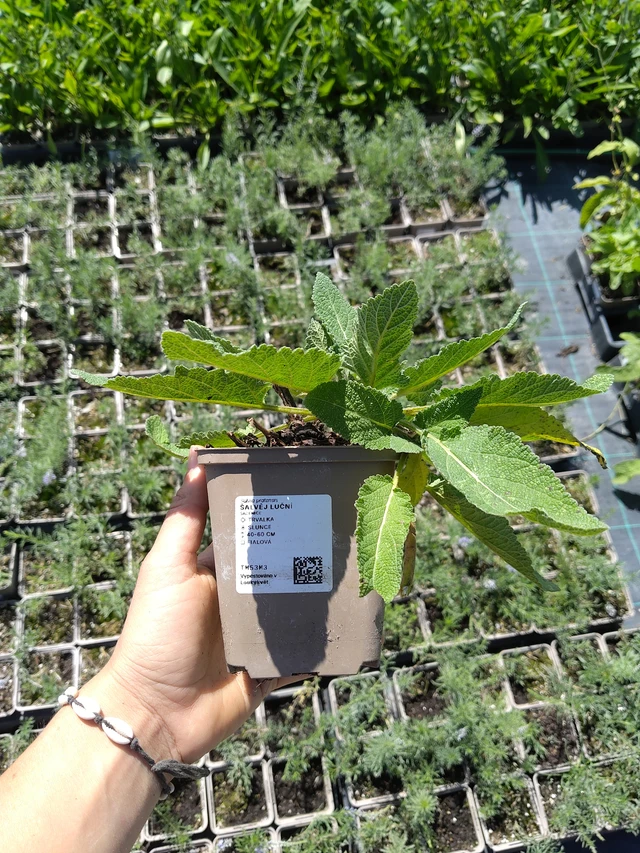
Sage luční - 23. 10. 2025
23. 10. 2025
Sage luční - 9. 10. 2025
9. 10. 2025
Sage luční - 10. 9. 2025
10. 9. 2025
Sage luční - 19. 8. 2025
19. 8. 2025
Sage luční - 13. 5. 2025
13. 5. 2025
Sage luční - 3. 4. 2025
3. 4. 2025
Sage luční - 2024
2024

More products in category Šalvěj

Salvia nemorosa

This species of sage (Salvia nemorosa) originally comes from the steppe regions of Central and Eastern Europe. It forms richly flowering small clumps with straight, upright stems. In flowerbeds, it looks best in groups. Traditionally, it is planted as an accompaniment to roses due to their similar flowering time. However, it will also look great in mixed, drought-tolerant steppe plantings with grasses. It lasts 7 days in a vase. The Caradonna cultivar stands out for its long flowering period and dark, almost black-purple stems with small purple flowers and dark purple bracts. If pruned after flowering, it will bloom again in late August and September.
Sold Out
V prodeji opět na jaře 2026

Salvia nemorosa

This type of sage originally comes from the steppe regions of Central and Eastern Europe. It forms richly flowering small clumps with straight, upright stems. In beds, it looks best in groups. Traditionally, it is planted, for its coinciding blooming period, as an accompaniment to roses. However, it will look equally good in mixed drought-tolerant steppe plantings with grasses. It is an excellent food source for bees. It lasts 7 days in a vase. The cultivar Ostfriesland blooms in a strikingly dark violet-blue color.
Sold Out
V prodeji opět na jaře 2026

Salvia nemorosa

This species of sage originally comes from the steppe regions of Central and Eastern Europe. It forms richly flowering small clumps with straight, upright stems. In flower beds, it looks best in groups. Traditionally, it is planted as an accompaniment to roses for its coincident flowering time. However, it will also look great in mixed xerophilous steppe plantings with grasses. It is an excellent food source for bees. It lasts 7 days in a vase. Amethyst is an elegant variety with long stems and an unusual pink flower color for sage.
Sold Out
V prodeji opět na jaře 2026

Salvia nemorosa

This type of sage originally comes from the steppe regions of Central and Eastern Europe. It forms richly flowering small clumps with straight, upright stems. In beds, it looks best in groups. Traditionally, it is planted as an accompaniment to roses due to its matching blooming period. However, it will also look good in mixed xerophilous steppe plantings with grasses. It is an excellent source of nectar for bees. It lasts 7 days in a vase. Schneehügel blooms white.
Sold Out
V prodeji opět na jaře 2026

Salvia nemorosa

This type of sage originally comes from the steppe regions of Central and Eastern Europe. It forms richly flowering small clumps with straight, upright stems. In beds, it looks best in groups. Traditionally, it is planted as a companion to roses due to its synchronized flowering time. However, it will also look great in mixed, xeriscaping steppe plantings with grasses. It lasts 7 days in a vase. The cultivar Mainacht blooms with violet-blue flowers from May to June. After trimming, it will bloom again in autumn.
Sold Out
V prodeji opět na jaře 2026

Salvia nemorosa

This species of sage originally comes from the steppe regions of Central and Eastern Europe. It forms richly flowering small clumps with straight, upright stems. In beds, it looks best in groups. Traditionally, it is planted to accompany roses, due to their similar flowering time. However, it will also look good in mixed drought-tolerant steppe plantings with grasses. It lasts 7 days in a vase. Blauhügel blooms blue.
Sold Out
V prodeji opět na jaře 2026

Salvia pratensis

Meadow sage occurs in our country primarily in warmer regions, especially in warmer regions, especially in South Moravia and Northern and Central Bohemia. It grows in sunny meadows, hillsides, and along roads. Its fragrant leaves form a basal rosette, from which several less leafy, branched stems emerge. The inflorescences are composed of striking, lipped flowers that are a great attraction for bees and bumblebees. 'Rose Rhapsody' has light pink flowers.
Sold Out
V prodeji opět na jaře 2026

Salvia nemorosa

Tento druh šalvěje pochází původně ze stepních oblastí střední a východní Evropy. Tvoří bohatě kvetoucí malé trsy s rovnými vzpřímenými stonky. V záhonech nejlépe vypadá ve skupinách. Tradičně se vysazuje, pro shodnou dobu kvetení, jako doprovod růží. Stejně dobře bude ale vypadat i ve smíšených suchomilných stepních výsadbách s trávami. Je výbornou pastvou pro včely. Ve váze vydrží 7 dní. Schwellenburg je velmi zvláštní odrůda s bohatě větveným květenstvím. Kvítky mají fialové listeny a vínový kalich.
Sold Out
V prodeji opět na jaře 2026
Sold Out
V prodeji opět na jaře 2026

Salvia pratensis

Meadow Sage (Salvia pratensis) occurs predominantly in warmer regions in our country, especially in southern Moravia and northern and central Bohemia. It grows on sunny meadows and hillsides and along roadsides. Fragrant leaves form a basal rosette, from which several less leafy, branched stems emerge. The inflorescences are composed of prominent lipped flowers, which are a great attraction for bees and bumblebees. 'Swan Lake' blooms white.
Sold Out
V prodeji opět na jaře 2026

Salvia nemorosa

This species of sage originally comes from the steppe regions of Central and Eastern Europe. It forms richly flowering small clumps with straight, upright stems. In flower beds, it looks best in groups. Traditionally, it is planted as an accompaniment to roses for its coincident flowering time. However, it will also look great in mixed xerophilous steppe plantings with grasses. It is an excellent food source for bees. It lasts 7 days in a vase. Adrian is a white-flowering cultivar.
Sold Out
V prodeji opět na jaře 2026

Salvia pratensis

Meadow Sage (Salvia pratensis) occurs predominantly in warmer regions in our country, especially in southern Moravia and northern and central Bohemia. It grows on sunny meadows and hillsides and along roadsides. Fragrant leaves form a basal rosette, from which several less leafy, branched stems emerge. The inflorescences are composed of prominent lipped flowers, which are a great attraction for bees and bumblebees. 'Sweet Esmeralda' has intensely pink flowers.
Sold Out
V prodeji opět na jaře 2026

Salvia pratensis

Meadow Sage (Salvia pratensis) occurs predominantly in warmer regions in our country, especially in southern Moravia and northern and central Bohemia. It grows on sunny meadows and hillsides and along roadsides. Fragrant leaves form a basal rosette, from which several less leafy, branched stems emerge. The inflorescences are composed of prominent lipped flowers, which are a great attraction for bees and bumblebees. 'Twilight Serenade' blooms purplish-blue.
Sold Out
V prodeji opět na jaře 2026

Salvia verticilata

Whorled clary, also known as 'grandmother's ear', is interesting for its bright purple flower color. These are arranged in whorls on the stem, protruding from the green foliage, and act as delicate colorful sprinkles in plantings. Purple Rain has an even richer color than the basic species.
Sold Out
V prodeji opět na jaře 2026

Salvia reptans

Sold Out
V prodeji opět na jaře 2026

Salvia gregii

Sold Out
V prodeji opět na jaře 2026

Salvia gregii

Sold Out
V prodeji opět na jaře 2026

Salvia gregii

Sold Out
V prodeji opět na jaře 2026

Salvia sclarea

Sold Out
V prodeji opět na jaře 2026

Salvia pratensis

Meadow Sage (Salvia pratensis) occurs predominantly in warmer regions in our country, especially in southern Moravia and northern and central Bohemia. It grows on sunny meadows and hillsides and along roadsides. Fragrant leaves form a basal rosette, from which several less leafy, branched stems emerge. The inflorescences are composed of prominent lipped flowers, which are a great attraction for bees and bumblebees. 'Sky Dance' has light blue flowers.
Sold Out
V prodeji opět na jaře 2026

More products in category Trvalky

Gaura lindheimeri

Gaura is a clump-forming perennial native to Texas and Louisiana. In our climate, it behaves more like a short-lived perennial. It combines beautifully with grasses and adds lightness and airiness to flowerbeds. It is an excellent food source for insects. Tiny, butterfly-like flowers bloom tirelessly from June until the first frosts. For bouquets, we harvest as soon as the first two to three flowers open on the stem. Siskiyou Pink is a beautiful variety with rose-red flowers on slightly arched stems. Less hardy than white-flowering varieties. The red-spotted leaves are also interesting.
Sold Out
V prodeji opět na jaře 2026

Salvia nemorosa

This species of sage (Salvia nemorosa) originally comes from the steppe regions of Central and Eastern Europe. It forms richly flowering small clumps with straight, upright stems. In flowerbeds, it looks best in groups. Traditionally, it is planted as an accompaniment to roses due to their similar flowering time. However, it will also look great in mixed, drought-tolerant steppe plantings with grasses. It lasts 7 days in a vase. The Caradonna cultivar stands out for its long flowering period and dark, almost black-purple stems with small purple flowers and dark purple bracts. If pruned after flowering, it will bloom again in late August and September.
Sold Out
V prodeji opět na jaře 2026

Achillea millefolium

An original wild perennial with a large distribution area from Europe to Siberia. Suitable for natural and wild plantings. It grows in meadows and dry grassy areas. A very adaptable and undemanding plant, it grows in clumps and spreads by runners. Pruning after the first bloom will encourage new flowers. For bouquets, harvest when the florets are fully open. It lasts 10 days in a vase. Terracotta features ochre, shades of orange and yellow, and grey-green leaves.
Sold Out
V prodeji opět na jaře 2026

Salvia nemorosa

This type of sage originally comes from the steppe regions of Central and Eastern Europe. It forms richly flowering small clumps with straight, upright stems. In beds, it looks best in groups. Traditionally, it is planted, for its coinciding blooming period, as an accompaniment to roses. However, it will look equally good in mixed drought-tolerant steppe plantings with grasses. It is an excellent food source for bees. It lasts 7 days in a vase. The cultivar Ostfriesland blooms in a strikingly dark violet-blue color.
Sold Out
V prodeji opět na jaře 2026

Salvia nemorosa

This species of sage originally comes from the steppe regions of Central and Eastern Europe. It forms richly flowering small clumps with straight, upright stems. In flower beds, it looks best in groups. Traditionally, it is planted as an accompaniment to roses for its coincident flowering time. However, it will also look great in mixed xerophilous steppe plantings with grasses. It is an excellent food source for bees. It lasts 7 days in a vase. Amethyst is an elegant variety with long stems and an unusual pink flower color for sage.
Sold Out
V prodeji opět na jaře 2026

Anemone hybrida

Anemones belong to the same family as buttercups. Their elegant flowers on long, slender stems can enliven and brighten late summer and autumn beds. They stand out against a darker background of shrub groups and will also be grateful for their partial shade. The Czech Perennial Society chose autumn anemones as the perennial of the 2022 season. They last 7 days in a vase. Whirlwind is a historic variety bred in 1887 in the USA. It has semi-double pure white flowers, often with inner curled petals, and a compact, strictly upright growth. The flowers are very durable.
Sold Out
V prodeji opět na jaře 2026

Anemone hybrida

Anemones come from the same family as buttercups. With their elegant flowers on long slender stems, they can brighten and enliven late summer and autumn beds. They stand out against a darker background of shrub groups and will also be grateful for their partial shade. The Czech Perennial Society chose autumn anemones as the perennial of the 2022 season. They last 7 days in a vase. Lorelei has semi-double flowers in a delicate light pink tone.
Sold Out
V prodeji opět na jaře 2026

Scabiosa caucasica

This perennial scabious grows wild on mountain meadows and rocky slopes of the Caucasus, northern Iran, and Turkey. In gardens, it is grown for its charming large bowl-shaped flowers. It has strong, long stems, which makes it a perfect perennial for cutting. We harvest it best while the central florets are still tightly closed, then it will last up to 10 days in a vase. Spent flowerheads can also be dried and are well-suited for use. Fama White has pure white flowers.
Sold Out
V prodeji opět na jaře 2026

Helleborus orientalis

Hellebores are evergreen perennials that form slowly spreading clumps of leathery, dark green leaves. Stems typically bear four to five flowers. They bloom very early, in late winter and early spring. They are suitable for vases only after prominent seed pods form in the center of the flower and the flower matures. Before that, they tend to wilt and the stems cannot hold the flower upright. All parts of the plant are poisonous. Double Ellen White is an almost pure white, double-flowered hellebore. Its petals are slightly wavy, and the lower row of petals is subtly tinted green.
Sold Out
V prodeji opět na jaře 2026

Perovskia atriplicifolia

Perovskia are sparsely branched subshrubs, native to regions from Afghanistan to Tibet. They grow in open, sunny, rocky and stony habitats. Their striking features are their white felted shoots and greyish aromatic leaves. They are suitable for sunny beds with other drought-tolerant perennials, where they create interesting structures even in winter months. Little Spire is a smaller cultivar also suitable for pots with a soil volume of 7 liters or more.
Sold Out
V prodeji opět na jaře 2026

Achillea millefolium

An original wild perennial with a large distribution area from Europe to Siberia. Suitable for natural and wild plantings. It grows in meadows and dry grassy areas. A very adaptable and undemanding plant, it grows in clumps and spreads by runners. Cutting back after the first bloom will encourage new flowers. For bouquets, harvest when the flowers are fully open. Lasts 10 days in a vase. Summer Pastels features a varied and delicate range of colors from white and vanilla to salmon, brick, and bronze.
Sold Out
V prodeji opět na jaře 2026

Sedum spectabile

A very hardy and long-lived perennial with an almost year-round effect. It forms upright clumps, and its flowers attract bees and butterflies. The 'Brilliant' cultivar is characterized by bushy growth and a striking pink color.
Sold Out
V prodeji opět na jaře 2026

Salvia nemorosa

This type of sage originally comes from the steppe regions of Central and Eastern Europe. It forms richly flowering small clumps with straight, upright stems. In beds, it looks best in groups. Traditionally, it is planted as an accompaniment to roses due to its matching blooming period. However, it will also look good in mixed xerophilous steppe plantings with grasses. It is an excellent source of nectar for bees. It lasts 7 days in a vase. Schneehügel blooms white.
Sold Out
V prodeji opět na jaře 2026

Lavandula angustifolia

Lavender is a must-have for every sunny herb garden. Classified as subshrubs, they are valued in gardens for their winter habit. They add not only color and texture to beds but also an unmistakable scent. They will look good with lower drought-tolerant grasses and perennials. A compact cultivar with dark flowers.
Sold Out
V prodeji opět na jaře 2026

Helleborus orientalis

Hellebores are evergreen perennials that form slowly spreading clumps of leathery, dark green leaves. Stems typically bear four to five flowers. They bloom very early, in late winter and early spring. They are suitable for vases only after prominent seed pods form in the center of the flower and the flower matures. Before that, they tend to wilt and the stems cannot hold the flower upright. All parts of the plant are poisonous. Double Ellen Red is a double-flowered hellebore with rounded petals of dark burgundy-red with a lighter undertone on the lower row of petals.
Sold Out
V prodeji opět na jaře 2026
Lze sušit

Eryngium planum

A perennial that finds its use in naturalistic steppe and gravel beds. It attracts bees, bumblebees, and butterflies. It's floristically valuable for its flowers with striking bracts, which are also perfect for drying. The roots of some species were once candied as sweets in England and France and added to pastries and jellies. In herbal medicine, it was used, among other things, as an aphrodisiac, hence its folk name 'male fidelity'.
Sold Out
V prodeji opět na jaře 2026

Scabiosa caucasica

This perennial scabious grows wild on mountain meadows and rocky slopes of the Caucasus, northern Iran, and Turkey. In gardens, it is grown for its charming large bowl-shaped flowers. It has strong, long stems, which makes it a perfect perennial for cutting. We harvest it best while the central florets are still tightly closed, then it will last up to 10 days in a vase. Spent flowerheads can also be dried and are well-suited for use. Fama Deep Blue has violet-blue flowers.
Sold Out
V prodeji opět na jaře 2026

Echinacea purpurea

A valuable garden and medicinal perennial, native to North America. The spiky flower cones are an irresistible magnet for butterflies. They last 7–10 days in a vase. After the petals are picked, the stems with the central cones can be dried or used in fresh bouquets as an interesting element. White Swan blooms with milky white flowers with brown-orange centers. The petals are not spread out completely horizontally; they bend slightly downwards.
Sold Out
V prodeji opět na jaře 2026

Sedum spectabile

A very hardy and long-lived perennial with an almost year-round effect. It forms upright clumps, and its flowers attract bees and butterflies. 'Matrona' tolerates nutritious soil well, provided it is well-drained. It has firm and stable stems.
Sold Out
V prodeji opět na jaře 2026

Anemone hybrida

Anemones belong to the same family as buttercups. With their elegant flowers on long, slender stems, they can brighten and enliven late summer and autumn beds. They stand out against the darker background of shrub groups and will also be grateful for their partial shade. The Czech Perennial Society chose autumn anemones as the perennial of the 2022 season. They last 7 days in a vase. Königin Charlotte is a robust, taller variety bred back in 1898. It has strong, firm stems and semi-double, large, purple-pink flowers. The outer sides of the silky smooth petals are tinged with purple.
Sold Out
V prodeji opět na jaře 2026