Ireland
🌸 Předprodej jiřin spustíme 3. února 2026 v 10.00. 🌸
Great-leaved forget-me-not, Loukykvět

Brunnera macrophylla

Great-leaved forget-me-not

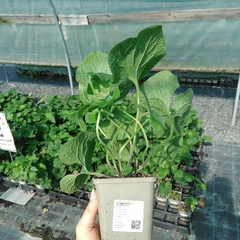
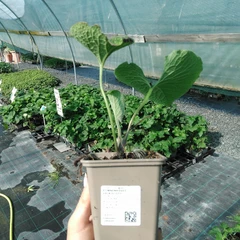
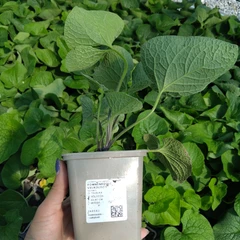
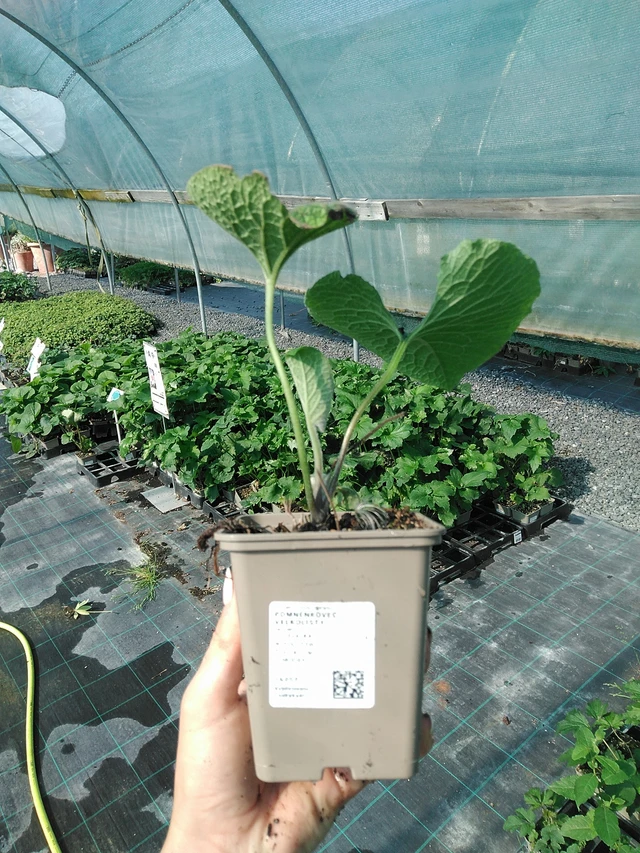
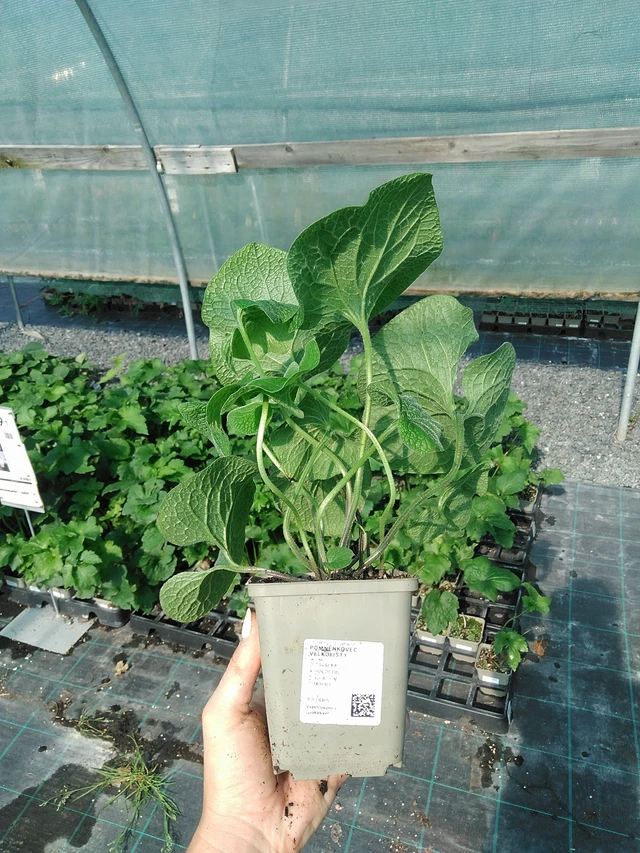
Brunnera is a long-lived perennial native to the mountain meadows and forests of the Caucasus. It is interesting not only when in bloom. The leaves are large, heart-shaped, and light green. They form a contrasting background for the delicate and small flowers that appear above the carpet of leaves from April to May. It sprouts early and retracts late, making it a valuable groundcover perennial. Show full description

Vyprodáno

Large Seedling

Vyprodáno
 za where

Seedling

Vyprodáno
 za where

Barva květu

Modrá

Barva listu

Zelená

Druh

Trvalka

Mrazuvzdornost

-40
?
Do jaké teploty daná rostlina odolává mrazům.

Mrazuvzdornost (zóna)

3a (-40 °C až -37.2 °C)

Náročnost

Začátečník

Půda

Hlinitá, humózní, jílovitá

Spon

40-40 cm
?
Doporučený spon pro pěstování.

Spon: Počet na m2

7

Stanoviště

Slunce, polostín

Vhodné k řezu

Ano

Vláha

💧💧

Výška

30-40 cm
1
2
3
4
5
6
7
8
9
10
11
12
Kvetení
April
June

Recommended products

Alchemilla mollis

Lady's mantle naturally grows in mountain pastures and meadows, and in mixed forests. It is ornamental both in leaf and flower. The leaves have fine hairs, giving the plant a velvety character. It is a perennial sought after by ancient alchemists for the dew drops that appear in the leaf fans. Valuable for florists for its abundance of tiny greenish-yellow flowers. Important in beds for its ground-covering nature. It lasts 10 days in a vase.
Sold Out
V prodeji opět na jaře 2026

Verbena bonariensis

This South American Verbena species is often grown as an annual here, but in mild winters, it can survive and self-seed. Its sturdy, airy stems beautifully soften perennial beds and add a special touch with their purple color. It perfectly complements steppe plantings with grasses and rose beds.
Sold Out
V prodeji opět na jaře 2026

Stipa tenuissima

Stipa flowers captivate in beds and bouquets with their lightness and delicacy. All stipas love full sun and dry, stony, well-drained soil. To make them look as natural as possible in beds, it is good to plant them in several pieces in loose groups along with other drought-tolerant perennials and bulbs. Only then will their stems and inflorescences come alive with the slightest breath of wind. 'Ponny Tails' is a species native to the steppes of Mexico, Texas, and Patagonia. Airy, dense tufts of hair-like, delicate leaves resemble horsehair. The leaves are green, turning straw-colored towards the flowers. It even self-seeds in a suitable location.
Sold Out
V prodeji opět na jaře 2026

Dicentra spectabilis

Bleeding hearts are originally native to Korea and China, where they grow in bright deciduous forests. They are among the classic garden perennials. They will look perfect in nostalgically themed flower beds, and the white variant also fits into naturalistic woodland gardens. They are beloved for their heart-shaped flowers suspended on horizontal or arching stems. These fade and die back some time after flowering, with all the plant's energy concentrating into the roots, at which point the above-ground part can be completely cut back. For the rest of the year, you won't even notice the bleeding heart in the garden. It will remind us of its charm again in spring. Excellent vase life, at least 7 days. Harvest when the first 3-4 flowers open on the stem. The basic species has pinkish-white flowers. Shoots emerging in spring have a pinkish hue.
Sold Out
V prodeji opět na jaře 2026

Dicentra spectabilis Alba

Bleeding hearts are originally native to Korea and China, where they grow in bright deciduous forests. They are among the classic garden perennials. They will look perfect in nostalgically themed flower beds, and the white variant also fits into naturalistic woodland gardens. They are beloved for their heart-shaped flowers suspended on horizontal or arching stems. These fade and die back some time after flowering, with all the plant's energy concentrating into the roots, at which point the above-ground part can be completely cut back. For the rest of the year, you won't even notice the bleeding heart in the garden. It will remind us of its charm again in spring. Excellent vase life, at least 7 days. Harvest when the first 3-4 flowers open on the stem. Alba has beautiful pure white flowers, with light lime green shoots emerging in spring.
Sold Out
V prodeji opět na jaře 2026

Knautia macedonica

Chrastavec makedonský je bohatě a dlouze kvetoucí nenáročná trvalka. Jeho divoká forma pochází z Balkánu, kde roste na loukách a v křovinách. Red Knight v záhonech okouzluje štíhlými vysokými stonky, které nesou tmavě vínové květy. Hodí se do přírodně pojatých slunných až polostinných záhonů a do lučních kytic. 
Sold Out
V prodeji opět na jaře 2026

Calamintha nepeta

Nenáročná a skromná trvalka, která vykvétá velkým množstvím drobných kvítků. Kvete rekordně dlouhou dobu po celé pozdní léto a podzim. Tvoří menší kompaktní vzdušné keříky, které vydávají mátově kořenitou vůní. Květy podobné tymiánu lákají včely, čmeláky a motýly. Dobře bude vypadat mezi růžemi i v přírodně pojatých stepních záhonech třeba s nižšími trávami. 
Sold Out
V prodeji opět na jaře 2026

Leucanthemum vulgare

A classic perennial for early summer bouquets and cottage gardens. For bouquets, we harvest flowers with firm, smooth central discs. They will then last 7–10 days in a vase. 'Maikönigin' is an exceptionally free-flowering garden form.
Sold Out
V prodeji opět na jaře 2026

Centaurea montana

It is found in almost all mountainous areas of Central and Southern Europe, in high-altitude meadows and bright clearings. It is suitable for natural plantings and can be used in rural submontane gardens with other robust species. It blooms blue and lasts about a week in a vase.
Sold Out
V prodeji opět na jaře 2026

Helleborus orientalis

Hellebores are evergreen perennials that form slowly spreading clumps of leathery, dark green leaves. Stems typically bear four to five flowers. They bloom very early, in late winter and early spring. They are suitable for vases only after prominent seed pods form in the center of the flower and the flower matures. Before that, they tend to wilt and the stems cannot hold the flower upright. All parts of the plant are poisonous. The semi-double flowers of Hellebore Double Ellen Picotee are colored white and light pink with a purple-burgundy border.
Sold Out
V prodeji opět na jaře 2026

Nepeta faassenii

Catmints are ideal companions for roses, suitable for natural-style gardens and, the smaller varieties, for window boxes and pots. Some of them are an irresistible attraction for cats, due to the hallucinogen nepetalactone. This should be present in the highest degree in the species Nepeta cataria. Conversely, lemon-scented catmints reportedly do not attract cats. The botanical name Nepeta probably comes from the ancient Etruscan city of Nepet - Nepi in today's Italian province of Viterbo, where the plant was once cultivated. The faassenii group is characterized by vigorous upright growth, delicate foliage, and long stems suitable for cutting. 'Walker's Low' got its name from the Irish estate where it was bred in 1970. It has the most intense blue-purple flower coloration.
Sold Out
V prodeji opět na jaře 2026

Achillea millefolium

An original wild perennial with a large distribution area from Europe to Siberia. Suitable for natural and wild plantings. It grows in meadows and dry grassy areas. A very adaptable and undemanding plant, it grows in clumps and spreads by runners. Pruning after the first bloom will encourage new flowers. For bouquets, harvest when the florets are fully open. It lasts 10 days in a vase. Terracotta features ochre, shades of orange and yellow, and grey-green leaves.
Sold Out
V prodeji opět na jaře 2026

Helleborus orientalis

Hellebores are evergreen perennials that form slowly spreading clumps of leathery, dark green leaves. Stems typically bear four to five flowers. They bloom very early, in late winter and early spring. They are suitable for vases only after prominent seed pods form in the center of the flower and the flower matures. Before that, they tend to wilt and the stems cannot hold the flower upright. All parts of the plant are poisonous. Double Ellen White is an almost pure white, double-flowered hellebore. Its petals are slightly wavy, and the lower row of petals is subtly tinted green.
Sold Out
V prodeji opět na jaře 2026

Anemone hybrida

Anemones come from the same family as buttercups. With their elegant flowers on long slender stems, they can brighten and enliven late summer and autumn beds. They stand out against a darker background of shrub groups and will also be grateful for their partial shade. The Czech Perennial Society chose autumn anemones as the perennial of the 2022 season. They last 7 days in a vase. Lorelei has semi-double flowers in a delicate light pink tone.
Sold Out
V prodeji opět na jaře 2026

Luzula nivea

A beautiful, delicate woodland grass with evergreen, overwintering leaves and interesting white inflorescences. An intriguing element for spring beds. Flowers are suitable for fresh bouquets and for drying.
Sold Out
V prodeji opět na jaře 2026
Novinka

Brunnera macrophylla

Brunnera is a long-lived perennial native to the mountain meadows and forests of the Caucasus. It is interesting not only during flowering. The leaves are large, heart-shaped, and light green. They form a contrasting background for the delicate and tiny flowers that appear above the carpet of leaves from April. It sprouts early and dies back late, making it a valuable groundcover perennial. The 'Betty Bowring' cultivar has pure white flowers.
Sold Out
V prodeji opět na jaře 2026

Catananche caerulea

Catananche is a medium-tall, short-lived perennial. It originates from the Mediterranean and is therefore suitable for areas with milder winters. Attractive blue flowers that resemble chicory. The undeveloped flower buds are also beautiful, as are the silvery faded inflorescences. Also suitable for drying. Fresh, they last 7 days in a vase.
Sold Out
V prodeji opět na jaře 2026

Astrantia major

Perennials with palmate leaves and delicate flowers. In nature, they can be found in moist meadows or bright forests. They grow in clumps. Upright stems, suitable for cutting, branch out and bear small umbels of flowers. These are further emphasized around the perimeter by serrated bracts in the color of the flower with translucent green. They last 10–14 days in a vase.
Sold Out
V prodeji opět na jaře 2026

Verbascum hybridum

A beautiful, though rather short-lived, perennial, ideal for steppe areas alongside delicate xerophilous grasses and perennials. For bouquets, harvest when approximately half of the flowers in the inflorescence are open. It lasts about 5 days in a vase. An exceptional cultivar with flowers in peach and apricot tones, transitioning to an elegant old rose as they fade.
Sold Out
V prodeji opět na jaře 2026

Salvia nemorosa

This species of sage originally comes from the steppe regions of Central and Eastern Europe. It forms richly flowering small clumps with straight, upright stems. In flower beds, it looks best in groups. Traditionally, it is planted as an accompaniment to roses for its coincident flowering time. However, it will also look great in mixed xerophilous steppe plantings with grasses. It is an excellent food source for bees. It lasts 7 days in a vase. Amethyst is an elegant variety with long stems and an unusual pink flower color for sage.
Sold Out
V prodeji opět na jaře 2026

Perovskia atriplicifolia

Perovskia are sparsely branched subshrubs, native to regions from Afghanistan to Tibet. They grow in open, sunny, rocky, and stony habitats. Their white-felted shoots and grayish, aromatic leaves are striking. They are suitable for sunny flower beds with other drought-tolerant perennials, where they create interesting structures even in winter months.
Sold Out
V prodeji opět na jaře 2026

Calamintha nepeta ssp. nepeta

An undemanding and modest perennial that blooms with a large number of small flowers. It flowers for a record long time throughout late summer and autumn. It forms smaller, compact, airy bushes that emit a minty, spicy fragrance. The thyme-like flowers attract bees, bumblebees, and butterflies. It will look good among roses and in naturalistic steppe beds, perhaps with lower grasses. This Marjoram is generally taller. Unlike other Marjorams with felted leaves, it stands out for its record-breaking flowering duration, stiff and shiny leaves, and also a larger number of flowers that do not form seeds and are therefore maximally durable. It is sometimes sold under the cultivar name 'Triumphator'.
Sold Out
V prodeji opět na jaře 2026

Salvia nemorosa

This species of sage (Salvia nemorosa) originally comes from the steppe regions of Central and Eastern Europe. It forms richly flowering small clumps with straight, upright stems. In flowerbeds, it looks best in groups. Traditionally, it is planted as an accompaniment to roses due to their similar flowering time. However, it will also look great in mixed, drought-tolerant steppe plantings with grasses. It lasts 7 days in a vase. The Caradonna cultivar stands out for its long flowering period and dark, almost black-purple stems with small purple flowers and dark purple bracts. If pruned after flowering, it will bloom again in late August and September.
Sold Out
V prodeji opět na jaře 2026

Anemone hybrida

Anemones belong to the same family as buttercups. With their elegant flowers on long, slender stems, they can brighten and enliven late summer and autumn beds. They stand out against the darker background of shrub groups and will also be grateful for their partial shade. The Czech Perennial Society chose autumn anemones as the perennial of the 2022 season. They last 7 days in a vase. Königin Charlotte is a robust, taller variety bred back in 1898. It has strong, firm stems and semi-double, large, purple-pink flowers. The outer sides of the silky smooth petals are tinged with purple.
Sold Out
V prodeji opět na jaře 2026
Novinka

Lavandula angustifolia

Lavenders are a must-have for every sunny herb garden. They are classified as sub-shrubs and are valuable for gardens due to their winter habit. They add not only color and structure to beds, but also an unmistakable fragrance. They will look good with lower drought-tolerant grasses and perennials. Rosea blooms a sweet pink.
Sold Out
V prodeji opět na jaře 2026

Helleborus orientalis

Hellebores are evergreen perennials that form slowly spreading clumps of leathery, dark green leaves. The stems typically bear four to five flowers. They bloom very early, in late winter and early spring. They are suitable for vases only after noticeable seed pods form in the center of the flower and the flower has matured. Before this, they tend to wilt, and the stems cannot hold the flower upright. All parts of the plant are poisonous. Helleborus 'Double Ellen Yellow Spotted' has light yellow-green semi-double flowers with striking, deep burgundy speckles.
Sold Out
V prodeji opět na jaře 2026

Phlomis russeliana

Phlomis is a valuable structural perennial originating from the Greek islands and Turkey. It's also known as Jerusalem sage. In plantings, it's used as a groundcover and can even be successfully grown under trees. Both the flowers and the stems with their impressive fruits are suitable for cutting. If left untrimmed in autumn, they will adorn beds throughout winter, as will the dense carpet of leaves. Phlomis is also attractive to pollinators.
Sold Out
V prodeji opět na jaře 2026

Aster pringlei

It forms a delicate airy shrub. Compared to Aster ericoides, the flowers are less numerous, placed individually at the ends of the branches, which gives the plant an airy effect. The plant has a very delicate appearance. It is beautiful in combination with other late asters and ornamental grasses. Healthy and long-flowering, the pink flower is slightly larger than that of Aster ericoides. It lasts 7 to 10 days in a vase.
Sold Out
V prodeji opět na jaře 2026

Cultivation

Pro pomněnkovec jsou ideální záhony s hlinitou a humózní půdou ve světlém stínu. Původní modrokvětý druh dokáže růst i na plném slunci, ale jen pokud není půda příliš suchá. Po odkvětu se doporučuje úplný řez, rostlina nabere sílu a vyraší nové listy.

The information given is based on our experience, please use it as a guide only. Times may vary depending on the season, climate, location, sowing and transplanting dates and possibly also the conditions in the greenhouse/greenhouse. We always recommend testing how the plant performs in your conditions. Please do not take this as a guarantee.

Show all

Click to view the full growing instructions.

Photos
in time

See how the seedling looks over the course of a year.
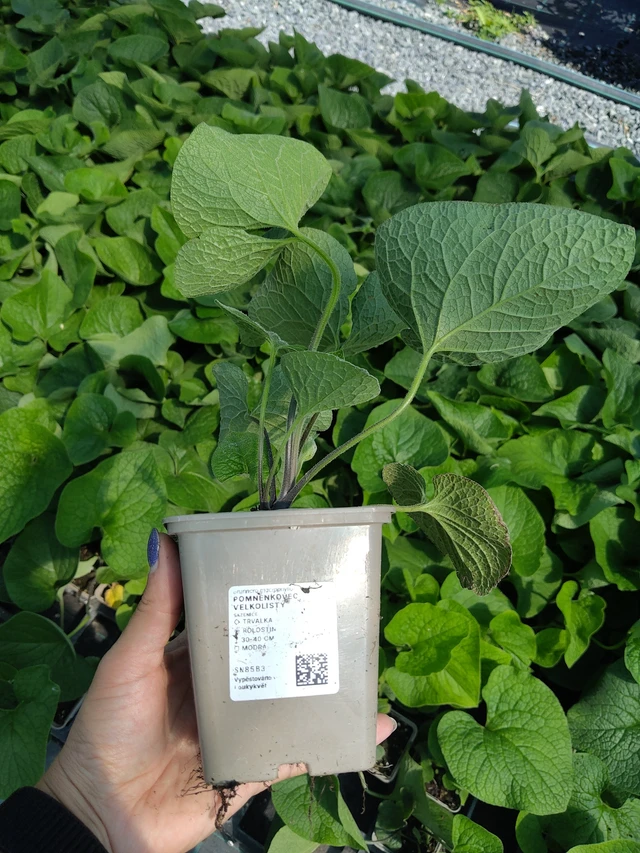
Great-leaved forget-me-not - 31. 10. 2025
31. 10. 2025
Great-leaved forget-me-not - 31. 10. 2025
31. 10. 2025
Great-leaved forget-me-not - 13. 10. 2025
13. 10. 2025
Great-leaved forget-me-not - 13. 10. 2025
13. 10. 2025
Great-leaved forget-me-not - 10. 9. 2025
10. 9. 2025
Great-leaved forget-me-not - 10. 9. 2025
10. 9. 2025
Great-leaved forget-me-not - 19. 8. 2025
19. 8. 2025
Great-leaved forget-me-not - 19. 8. 2025
19. 8. 2025
Great-leaved forget-me-not - 19. 8. 2025
19. 8. 2025
Great-leaved forget-me-not - 19. 8. 2025
19. 8. 2025
Great-leaved forget-me-not - 25. 7. 2025
25. 7. 2025
Great-leaved forget-me-not - 10. 7. 2025
10. 7. 2025
Great-leaved forget-me-not - 24. 6. 2025
24. 6. 2025
Great-leaved forget-me-not - 9. 6. 2025
9. 6. 2025
Great-leaved forget-me-not - 2. 6. 2025
2. 6. 2025
Great-leaved forget-me-not - 2. 6. 2025
2. 6. 2025
Great-leaved forget-me-not - 13. 5. 2025
13. 5. 2025

More products in category Pomněnkovec

Novinka

Brunnera macrophylla

Brunnera is a long-lived perennial native to the mountain meadows and forests of the Caucasus. It is interesting not only during flowering. The leaves are large, heart-shaped, and light green. They form a contrasting background for the delicate and tiny flowers that appear above the carpet of leaves from April. It sprouts early and dies back late, making it a valuable groundcover perennial. The 'Betty Bowring' cultivar has pure white flowers.
Sold Out
V prodeji opět na jaře 2026

Brunnera sibirica

Brunnera sibirica, like its more famous relative Brunnera macrophylla, is suitable for beds in light shade. The blue color of their flowers is common to both, as is their vegetative cycle. After flowering, all energy is transferred to the leaves, which noticeably quickly grow to their final size, forming lush carpets. This Brunnera forms more shoots and is suitable for ground cover. It also copes better with unfavorable soil conditions and moisture deficits.
Sold Out
V prodeji opět na jaře 2026

Brunnera macrophylla

Pomněnkovec je dlouhověká trvalka původem z horských luk a lesů Kavkazu. Zajímavá je nejen v době květu. Listy jsou velké, srdčité, světle zelené. Tvoří kontrastní pozadí pro jemné a drobné květy, které se nad kobercem listů objevují od dubna do května. Brzy raší a pozdě zatahuje, proto je cennou půdopokryvnou trvalkou. Má nápadně krémově bílé lemy listů. Krásně prosvětlí tmavá místa v zahradě. 
Sold Out
V prodeji opět na jaře 2026

More products in category Trvalky

Gaura lindheimeri

Gaura is a clump-forming perennial native to Texas and Louisiana. In our climate, it behaves more like a short-lived perennial. It combines beautifully with grasses and adds lightness and airiness to flowerbeds. It is an excellent food source for insects. Tiny, butterfly-like flowers bloom tirelessly from June until the first frosts. For bouquets, we harvest as soon as the first two to three flowers open on the stem. Siskiyou Pink is a beautiful variety with rose-red flowers on slightly arched stems. Less hardy than white-flowering varieties. The red-spotted leaves are also interesting.
Sold Out
V prodeji opět na jaře 2026

Salvia nemorosa

This species of sage (Salvia nemorosa) originally comes from the steppe regions of Central and Eastern Europe. It forms richly flowering small clumps with straight, upright stems. In flowerbeds, it looks best in groups. Traditionally, it is planted as an accompaniment to roses due to their similar flowering time. However, it will also look great in mixed, drought-tolerant steppe plantings with grasses. It lasts 7 days in a vase. The Caradonna cultivar stands out for its long flowering period and dark, almost black-purple stems with small purple flowers and dark purple bracts. If pruned after flowering, it will bloom again in late August and September.
Sold Out
V prodeji opět na jaře 2026

Achillea millefolium

An original wild perennial with a large distribution area from Europe to Siberia. Suitable for natural and wild plantings. It grows in meadows and dry grassy areas. A very adaptable and undemanding plant, it grows in clumps and spreads by runners. Pruning after the first bloom will encourage new flowers. For bouquets, harvest when the florets are fully open. It lasts 10 days in a vase. Terracotta features ochre, shades of orange and yellow, and grey-green leaves.
Sold Out
V prodeji opět na jaře 2026

Salvia nemorosa

This type of sage originally comes from the steppe regions of Central and Eastern Europe. It forms richly flowering small clumps with straight, upright stems. In beds, it looks best in groups. Traditionally, it is planted, for its coinciding blooming period, as an accompaniment to roses. However, it will look equally good in mixed drought-tolerant steppe plantings with grasses. It is an excellent food source for bees. It lasts 7 days in a vase. The cultivar Ostfriesland blooms in a strikingly dark violet-blue color.
Sold Out
V prodeji opět na jaře 2026

Salvia nemorosa

This species of sage originally comes from the steppe regions of Central and Eastern Europe. It forms richly flowering small clumps with straight, upright stems. In flower beds, it looks best in groups. Traditionally, it is planted as an accompaniment to roses for its coincident flowering time. However, it will also look great in mixed xerophilous steppe plantings with grasses. It is an excellent food source for bees. It lasts 7 days in a vase. Amethyst is an elegant variety with long stems and an unusual pink flower color for sage.
Sold Out
V prodeji opět na jaře 2026

Anemone hybrida

Anemones belong to the same family as buttercups. Their elegant flowers on long, slender stems can enliven and brighten late summer and autumn beds. They stand out against a darker background of shrub groups and will also be grateful for their partial shade. The Czech Perennial Society chose autumn anemones as the perennial of the 2022 season. They last 7 days in a vase. Whirlwind is a historic variety bred in 1887 in the USA. It has semi-double pure white flowers, often with inner curled petals, and a compact, strictly upright growth. The flowers are very durable.
Sold Out
V prodeji opět na jaře 2026

Anemone hybrida

Anemones come from the same family as buttercups. With their elegant flowers on long slender stems, they can brighten and enliven late summer and autumn beds. They stand out against a darker background of shrub groups and will also be grateful for their partial shade. The Czech Perennial Society chose autumn anemones as the perennial of the 2022 season. They last 7 days in a vase. Lorelei has semi-double flowers in a delicate light pink tone.
Sold Out
V prodeji opět na jaře 2026

Scabiosa caucasica

This perennial scabious grows wild on mountain meadows and rocky slopes of the Caucasus, northern Iran, and Turkey. In gardens, it is grown for its charming large bowl-shaped flowers. It has strong, long stems, which makes it a perfect perennial for cutting. We harvest it best while the central florets are still tightly closed, then it will last up to 10 days in a vase. Spent flowerheads can also be dried and are well-suited for use. Fama White has pure white flowers.
Sold Out
V prodeji opět na jaře 2026

Helleborus orientalis

Hellebores are evergreen perennials that form slowly spreading clumps of leathery, dark green leaves. Stems typically bear four to five flowers. They bloom very early, in late winter and early spring. They are suitable for vases only after prominent seed pods form in the center of the flower and the flower matures. Before that, they tend to wilt and the stems cannot hold the flower upright. All parts of the plant are poisonous. Double Ellen White is an almost pure white, double-flowered hellebore. Its petals are slightly wavy, and the lower row of petals is subtly tinted green.
Sold Out
V prodeji opět na jaře 2026

Perovskia atriplicifolia

Perovskia are sparsely branched subshrubs, native to regions from Afghanistan to Tibet. They grow in open, sunny, rocky and stony habitats. Their striking features are their white felted shoots and greyish aromatic leaves. They are suitable for sunny beds with other drought-tolerant perennials, where they create interesting structures even in winter months. Little Spire is a smaller cultivar also suitable for pots with a soil volume of 7 liters or more.
Sold Out
V prodeji opět na jaře 2026

Achillea millefolium

An original wild perennial with a large distribution area from Europe to Siberia. Suitable for natural and wild plantings. It grows in meadows and dry grassy areas. A very adaptable and undemanding plant, it grows in clumps and spreads by runners. Cutting back after the first bloom will encourage new flowers. For bouquets, harvest when the flowers are fully open. Lasts 10 days in a vase. Summer Pastels features a varied and delicate range of colors from white and vanilla to salmon, brick, and bronze.
Sold Out
V prodeji opět na jaře 2026

Sedum spectabile

A very hardy and long-lived perennial with an almost year-round effect. It forms upright clumps, and its flowers attract bees and butterflies. The 'Brilliant' cultivar is characterized by bushy growth and a striking pink color.
Sold Out
V prodeji opět na jaře 2026

Salvia nemorosa

This type of sage originally comes from the steppe regions of Central and Eastern Europe. It forms richly flowering small clumps with straight, upright stems. In beds, it looks best in groups. Traditionally, it is planted as an accompaniment to roses due to its matching blooming period. However, it will also look good in mixed xerophilous steppe plantings with grasses. It is an excellent source of nectar for bees. It lasts 7 days in a vase. Schneehügel blooms white.
Sold Out
V prodeji opět na jaře 2026

Lavandula angustifolia

Lavender is a must-have for every sunny herb garden. Classified as subshrubs, they are valued in gardens for their winter habit. They add not only color and texture to beds but also an unmistakable scent. They will look good with lower drought-tolerant grasses and perennials. A compact cultivar with dark flowers.
Sold Out
V prodeji opět na jaře 2026

Helleborus orientalis

Hellebores are evergreen perennials that form slowly spreading clumps of leathery, dark green leaves. Stems typically bear four to five flowers. They bloom very early, in late winter and early spring. They are suitable for vases only after prominent seed pods form in the center of the flower and the flower matures. Before that, they tend to wilt and the stems cannot hold the flower upright. All parts of the plant are poisonous. Double Ellen Red is a double-flowered hellebore with rounded petals of dark burgundy-red with a lighter undertone on the lower row of petals.
Sold Out
V prodeji opět na jaře 2026
Lze sušit

Eryngium planum

A perennial that finds its use in naturalistic steppe and gravel beds. It attracts bees, bumblebees, and butterflies. It's floristically valuable for its flowers with striking bracts, which are also perfect for drying. The roots of some species were once candied as sweets in England and France and added to pastries and jellies. In herbal medicine, it was used, among other things, as an aphrodisiac, hence its folk name 'male fidelity'.
Sold Out
V prodeji opět na jaře 2026

Scabiosa caucasica

This perennial scabious grows wild on mountain meadows and rocky slopes of the Caucasus, northern Iran, and Turkey. In gardens, it is grown for its charming large bowl-shaped flowers. It has strong, long stems, which makes it a perfect perennial for cutting. We harvest it best while the central florets are still tightly closed, then it will last up to 10 days in a vase. Spent flowerheads can also be dried and are well-suited for use. Fama Deep Blue has violet-blue flowers.
Sold Out
V prodeji opět na jaře 2026

Echinacea purpurea

A valuable garden and medicinal perennial, native to North America. The spiky flower cones are an irresistible magnet for butterflies. They last 7–10 days in a vase. After the petals are picked, the stems with the central cones can be dried or used in fresh bouquets as an interesting element. White Swan blooms with milky white flowers with brown-orange centers. The petals are not spread out completely horizontally; they bend slightly downwards.
Sold Out
V prodeji opět na jaře 2026

Sedum spectabile

A very hardy and long-lived perennial with an almost year-round effect. It forms upright clumps, and its flowers attract bees and butterflies. 'Matrona' tolerates nutritious soil well, provided it is well-drained. It has firm and stable stems.
Sold Out
V prodeji opět na jaře 2026

Anemone hybrida

Anemones belong to the same family as buttercups. With their elegant flowers on long, slender stems, they can brighten and enliven late summer and autumn beds. They stand out against the darker background of shrub groups and will also be grateful for their partial shade. The Czech Perennial Society chose autumn anemones as the perennial of the 2022 season. They last 7 days in a vase. Königin Charlotte is a robust, taller variety bred back in 1898. It has strong, firm stems and semi-double, large, purple-pink flowers. The outer sides of the silky smooth petals are tinged with purple.
Sold Out
V prodeji opět na jaře 2026