Ireland
We will open the seedling e-shop after the end of the Loukykvět Days (May 6-10, 2026), specifically on Tuesday, May 12, 2026. 🪴
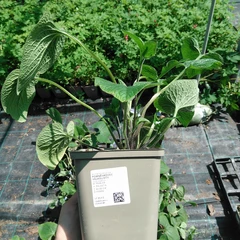
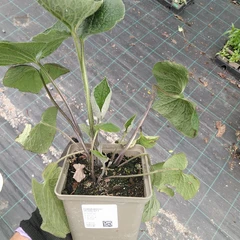
Brunnera Variegata, Loukykvět

Brunnera macrophylla

Brunnera Variegata

Brunnera is a long-lived perennial originating from the mountain meadows and forests of the Caucasus. It is interesting not only during the flowering period. The leaves are large, heart-shaped, and light green. They form a contrasting background for delicate and tiny flowers that appear above the carpet of leaves from April to May. It sprouts early and goes dormant late, making it a valuable groundcover perennial. It has striking creamy-white leaf margins. It beautifully brightens up dark places in the garden. Show full description

Seedling

Připravujeme
Na skladě máme 0 kusů
Dorůstá nám 252 kusů, naskladníme za 8 týdnů
V týdnu od 20. 6. 2026.
Květináč K9 (9×9×9,5 cm)
Na prodejně máme 252 kusů
Počet kusů, který je skladem na prodejně.
Může se jednat i čerstvě zasazené sazenice, které ještě nelze posílat přes eshop.
UA-16.1
10. 7. 2025
25. 7. 2025
1+ kus
3,89
3+ kusy
3,49
9+ kusů
3,09
18+ kusů
2,89

Doskladníme ve 25. týdnu 2026.

Doskladníme ve 25. týdnu 2026.

Attracts pollinators 🐝

Ano

Difficulty

Beginner

Diseases

Disease-free 🙂

Edible

Ne
?
Information on whether the plant is edible.

Flower color

Blue

Flower color: Shade

Sky blue

Foliage color

White, green

Fragrant (aromatic) 👃

Ne

Frost resistance

-40
?
The temperature down to which the plant is frost hardy.

Hardiness zone

3a (-40 °C to -37.2 °C)

Height

30-40 cm

Moisture

💧💧

Pests

Slugs

Position

Partial shade, shade

Soil

Loamy, humus-rich, clay

Spacing

40-40 cm
?
Recommended planting spacing.

Spacing: Plants per m²

5-7

Species

Perennial

Suitable for cutting

Ano

Suitable for drying

Ne
1
2
3
4
5
6
7
8
9
10
11
12
Flowering
April
May

Cultivation

Výběr ideálního stanoviště a příprava půdy

Pomněnkovec 'Variegata' je pokladem pro stinná zákoutí zahrady, kde by jiné rostliny strádaly nedostatkem světla. Vzhledem k jeho panašovaným (bílo-zeleným) listům je výběr správného místa naprosto klíčový. Tyto ozdobné listy jsou totiž citlivější na popálení od slunce než u čistě zelených odrůd. Vyberte proto stanoviště v polostínu až stínu, ideálně v podrostu pod vyššími stromy nebo keři, které zajistí toulavý stín. Půda by měla být chladná, hlinitá až jílovitá a bohatá na humus. Tato trvalka miluje vlhkost, ale nesnáší trvalé zamokření, proto je vhodné, aby byla půda dobře propustná, ale schopná zadržet vodu. Před výsadbou doporučujeme do země zapracovat vyzrálý kompost, který zlepší strukturu půdy a dodá živiny do startu.

Výsadba a následná péče

Jelikož obdržíte již vzrostlou sazenici, výsadbu můžete provádět prakticky po celou vegetační sezónu, pokud není půda zamrzlá. Doporučený spon výsadby je 40 cm (přibližně 5–7 rostlin na m²), což rostlinám zajistí dostatek prostoru, ale zároveň jim umožní se časem spojit v zapojený porost, který nedá šanci plevelu. Po zasazení rostlinu důkladně zalijte. Vláha je pro pomněnkovec zásadní – označení vláha 💧💧 v atributech napovídá, že v období letních veder a sucha bude vděčný za pravidelnou zálivku. Pokud rostlina trpí suchem, poznáte to podle svěšených a hnědnoucích okrajů listů.

Řez, údržba a pěstování v nádobách

Jedním z triků pro udržení krásného vzhledu této trvalky je zpětný řez po odkvětu. Jakmile na přelomu května a června odkvetou drobná modrá kvítka, celou rostlinu sestřihněte nízko nad zemí. Pomněnkovec díky tomu nabere novou sílu a vyraší čerstvé, zdravé a nádherně vybarvené listy, které budou zdobit záhon až do podzimu. Co se týče pěstování v nádobách, je to možné, ale vyžaduje to více pozornosti. Květináč musí být dostatečně velký a umístěný ve stínu. Substrát v nádobě nesmí nikdy zcela vyschnout, což bývá v létě náročné uhlídat. Na zimu je pak nutné nádobu obalit izolací nebo zapustit do země, aby kořenový bal nepromrzl, přestože ve volné půdě je rostlina plně mrazuvzdorná.

Odolnost a ochrana před škůdci

Pomněnkovec je velmi odolná a dlouhověká trvalka, která netrpí na běžné choroby. Její mrazuvzdornost je excelentní, snáší teploty až do -40 °C (zóna 3a), takže na zahradě přečká i ty nejtužší zimy bez nutnosti speciální ochrany. Jediným nepřítelem, který dokáže potrápit, jsou slimáci a plzáci. Ti bohužel milují šťavnaté listy pomněnkovce. Pokud se ve vaší zahradě vyskytují, je vhodné preventivně používat ekologické návnady nebo mechanické zábrany, abyste o krásné panašované listy nepřišli hned na začátku sezóny.

The information given is based on our experience, please use it as a guide only. Times may vary depending on the season, climate, location, sowing and transplanting dates and possibly also the conditions in the greenhouse/greenhouse. We always recommend testing how the plant performs in your conditions. Please do not take this as a guarantee.

Show all

Click to view the full growing instructions.

Frequently
asked
questions

Vlastnosti

Pěstování

Základní informace

Nemoci & škudci

Sklizeň

Stanoviště

Množení

Problémy

Photos
in time

See how the seedling looks over the course of a year.

Brunnera Variegata - 25. 7. 2025
25. 7. 2025
Brunnera Variegata - 10. 7. 2025
10. 7. 2025
Brunnera Variegata - 24. 6. 2025
24. 6. 2025
Brunnera Variegata - 9. 6. 2025
9. 6. 2025
Brunnera Variegata - 2. 6. 2025
2. 6. 2025
Brunnera Variegata - 2. 6. 2025
2. 6. 2025
Brunnera Variegata - 13. 5. 2025
13. 5. 2025

More products in category Brunnera

Brunnera macrophylla

Brunnera is a long-lived perennial originally from the mountain meadows and forests of the Caucasus. It is interesting not only when in bloom. The leaves are large, heart-shaped, and light green. They form a contrasting background for the delicate and tiny flowers that appear above the carpet of leaves from April to May. It sprouts early and dies back late, making it a valuable groundcover perennial.
3,89
Více ks od 3,59
Coming Soon
Doskladníme v 18. týdnu 2026.
New

Brunnera macrophylla

Brunnera is a long-lived perennial originating from mountain meadows and forests of the Caucasus. It is interesting not only when in bloom. The leaves are large, heart-shaped, light green. They form a contrasting background for delicate and tiny flowers that appear above the carpet of leaves from April. It sprouts early and goes dormant late, which makes it a valuable groundcover perennial. The cultivar Betty Bowring has pure white flowers.
3,89
Více ks od 3,59
Unavailable
Pro rok 2026 nedostupné.

Brunnera sibirica

Siberian bugloss, like its better-known relative large-leaf brunnera, is suitable for beds in light shade. The blue color of the flowers is common to them, and the course of vegetation is identical. After flowering, all energy is transferred to the leaves, which grow remarkably quickly to their final size and form rich carpets. This bugloss forms more shoots and is suitable for ground cover. It also copes better with unfavorable soil conditions and moisture deficits.
2,99
Více ks od 2,09
Coming Soon
Doskladníme ve 38. týdnu 2026.

More products in category Perennials

Alchemilla mollis

Lady's mantle naturally grows on mountain pastures and meadows and in mixed forests. It is ornamental in both leaf and flower. The leaves have fine hairs giving the plant a velvety character. It is a perennial sought after by ancient alchemists for the drops of dew that appear in the pleated leaves. Valuable for florists for its multitude of tiny greenish-yellow flowers. Important in flower beds for its ground-covering character. Lasts 10 days in a vase.
2,99
Více ks od 2,09
In Stock

Achillea millefolium

An original wild perennial with a large distribution area from Europe to Siberia. Suitable for natural and wild plantings. It grows in meadows and dry grassy places. A very adaptable and undemanding plant, it grows in clumps and spreads by runners. By cutting back after the first flowering, we encourage a set of new flowers. For bouquets, we harvest when the florets are fully open. It lasts 10 days in a vase. Summer Pastels is characterized by a changeable and soft range of colors from white and vanilla to salmon, brick red, and bronze.
3,09
Více ks od 1,99
Coming Soon
Doskladníme ve 23. týdnu 2026.

Verbena bonariensis

A verbena species originally from South America. In our country, it is often used as an annual, but in mild winters it can overwinter and reproduce by self-seeding. The firm, airy stems beautifully soften perennial beds and make them special with their purple color. It beautifully complements steppe plantings with grasses and rose beds.
2,99
Více ks od 2,09
Coming Soon
Doskladníme v 18. týdnu 2026.

Gaura lindheimeri

Gaura is a clump-forming perennial native to Texas and Louisiana. Here, it behaves more like a short-lived perennial. It combines beautifully with grasses and adds lightness and airiness to flower beds. It is an excellent food source for insects. Tiny flowers resembling small butterflies bloom tirelessly from June until the first frosts. For bouquets, harvest as soon as the first two or three flowers open on the stem. Siskiyou Pink is a beautiful variety with pink-red flowers on slightly arching stems. It is less hardy than the white-flowering varieties. The red-spotted leaves are also interesting.
2,99
Více ks od 2,09
Coming Soon
Doskladníme v 18. týdnu 2026.

Echinacea purpurea

A valuable garden and medicinal perennial, native to North America. It blooms in summer with dark purple-pink flowers. The spiky flower centers are an irresistible attraction for butterflies. They last 7–10 days in a vase. After removing the petals, the stems with the central disks can be dried or used in fresh bouquets as an interesting element. Magnus features distinctive deep pink flowers with an orange-brown center.
2,99
Více ks od 2,09
Coming Soon
Doskladníme v 18. týdnu 2026.
For Drying

Eryngium planum

A perennial that finds its place in naturalistic steppe and gravel beds. It attracts bees, bumblebees, and butterflies. It is floristically valuable for its flowers with striking bracts, which are also perfect for drying. The roots of some species were formerly eaten candied as sweets in England and France and added to pastries and jellies. In herbal medicine, it was used as an aphrodisiac, among other things, hence its folk name "male fidelity".
2,79
Více ks od 1,99
Coming Soon
Doskladníme ve 23. týdnu 2026.

Perovskia atriplicifolia

Perovskia are sparsely branched subshrubs, native to regions from Afghanistan to Tibet. They grow in open, sunny, rocky, and stony habitats. Their white felted shoots and grayish aromatic leaves are striking. They are suitable for sunny flower beds alongside other drought-loving perennials, where they create interesting structures even in the winter months.
2,99
Více ks od 2,09
Coming Soon
Doskladníme ve 20. týdnu 2026.

Echinacea pallida

A valuable garden and medicinal perennial, native to North America. It blooms in late summer and captivates with long drooping petals. The spiky flower centers are an irresistible attraction for butterflies. It lasts 7–10 days in a vase. After removing the petals, the stems with the central discs can be dried or used in fresh bouquets as an interesting element.
2,99
Více ks od 2,09
Coming Soon
Doskladníme ve 27. týdnu 2026.

Rudbeckia fulgida

Rudbeckia, also known as coneflowers, originates from North America; they are robust and abundantly blooming perennials of late summer and autumn. They are suitable for prairie plantings with tall grasses as well as for cottage gardens. The central disks look very effective even after flowering and decorate perennial beds throughout the winter. Harvest for the vase as soon as they bloom. Vase life is 7 to 10 days. We can also use the dry central disks. Goldsturm is a reliable and long-proven cultivar. It has bright golden-yellow flowers with dark centers.
2,79
Více ks od 1,99
Coming Soon
Doskladníme ve 27. týdnu 2026.

Salvia nemorosa

This species of sage originally comes from the steppe regions of Central and Eastern Europe. It forms profusely flowering small clumps with straight upright stems. In flower beds, it looks best in groups. Traditionally, due to the identical flowering time, it is planted as a companion to roses. However, it will look just as good in mixed drought-loving steppe plantings with grasses. It lasts 7 days in a vase. The cultivar Caradonna stands out with a long flowering period and dark, almost black-purple stems with tiny purple flowers and dark purple bracts. If we cut it back after flowering, it will bloom again in late August and September.
2,99
Více ks od 2,09
Coming Soon
Doskladníme v 19. týdnu 2026.

Echinacea purpurea

A valuable garden and medicinal perennial, originally from North America. It blooms in summer with dark purple-pink flowers. The spiky flower discs are an irresistible lure for butterflies. Lasts 7–10 days in a vase. After plucking the petals, the stems with the central discs can be dried or used in fresh bouquets as an interesting element. Rubinstern is very similar to the Magnus cultivar; the petals are darker and firmer. As they fade, they gradually pale and droop downwards.
2,99
Více ks od 2,09
Coming Soon
Doskladníme v 18. týdnu 2026.

Gaura lindheimeri

Gaura is a clump-forming perennial native to Texas and Louisiana. Here, it behaves more like a short-lived perennial. It combines beautifully with grasses and adds lightness and airiness to flower beds. It is excellent pasture for insects. Tiny flowers resembling small butterflies bloom tirelessly from June until the first frosts. For bouquets, harvest as soon as the first two or three flowers on the stem open. Summer Breeze has a rich abundance of flowers in white and pink. It is robust and hardy.
2,99
Více ks od 2,09
Coming Soon
Doskladníme v 19. týdnu 2026.

Leucanthemum vulgare

A classic perennial for early summer bouquets and cottage gardens. For bouquets, we harvest flowers with firm, smooth central disks. Then they last 7–10 days in a vase. Maikönigin is an exceptionally abundantly flowering garden form.
2,79
Více ks od 1,99
Coming Soon
Doskladníme v 18. týdnu 2026.

Achillea millefolium

A native wild perennial with a large distribution range from Europe to Siberia. Suitable for natural and wild plantings. It grows in meadows and dry grassy places. A very adaptable and undemanding plant, it grows in clumps and spreads via runners. Cutting back after the first bloom encourages a new set of flowers. Harvest for bouquets when the tiny flowers are fully open. It lasts 10 days in a vase. Terracotta features ochre, shades of orange and yellow, and gray-green foliage.
2,99
Více ks od 2,89
Coming Soon
Doskladníme v 18. týdnu 2026.

Salvia nemorosa

This species of sage originates from the steppe regions of Central and Eastern Europe. It forms abundantly flowering small clumps with straight upright stems. In beds, it looks best in groups. Traditionally, it is planted as a companion to roses due to the matching flowering time. However, it will look equally good in mixed drought-loving steppe plantings with grasses. It is an excellent food source for bees. It lasts 7 days in a vase. The cultivar Ostfriesland blooms with a strikingly dark violet-blue color.
2,99
Více ks od 2,09
In Stock

Calamintha nepeta

An undemanding and modest perennial that blooms with a large number of tiny flowers. It blooms for a record-breaking length of time throughout late summer and autumn. It forms smaller, compact, airy bushes that emit a minty-spicy fragrance. The thyme-like flowers attract bees, bumblebees, and butterflies. It will look good among roses as well as in natural-style steppe beds, perhaps with lower grasses.
2,79
Více ks od 1,99
In Stock poslední 1 kus

Knautia macedonica

Knautia macedonica is a profusely and long-blooming undemanding perennial. Its wild form originates from the Balkans, where it grows on meadows and in scrublands. Red Knight charms in flower beds with slender high stems that carry dark wine-colored flowers. It is suitable for naturally designed sunny to semi-shady beds and meadow bouquets.
2,79
Více ks od 1,99
Coming Soon
Doskladníme ve 20. týdnu 2026.

Calamintha nepeta ssp. nepeta

An undemanding and modest perennial that blooms with a large number of tiny flowers. It blooms for a record-breaking length of time throughout late summer and autumn. It forms smaller, compact, airy bushes that release a minty-spicy scent. The thyme-like flowers attract bees, bumblebees, and butterflies. It will look good among roses as well as in naturalistic steppe beds, perhaps with lower grasses. This calamint is generally more vigorous. It differs from other calamints with felted leaves by its record flowering length, stiff and shiny leaves, and also a larger number of flowers that do not form seeds and are therefore maximally durable. Sometimes sold under the cultivar name 'Triumphator'.
2,79
Více ks od 1,99
Coming Soon
Doskladníme v 19. týdnu 2026.

Salvia nemorosa

This species of sage originates from the steppe regions of Central and Eastern Europe. It forms profusely flowering small clumps with straight, upright stems. In flower beds, it looks best in groups. It is traditionally planted as a companion to roses due to the matching flowering time. However, it looks equally good in mixed drought-tolerant steppe plantings with grasses. It is an excellent food source for bees. Lasts 7 days in a vase. Amethyst is an elegant variety with long stems and a pink flower color that is unusual for sages.
2,99
Více ks od 2,09
Coming Soon
Doskladníme v 18. týdnu 2026.
For Drying

Achillea filipendulina

Fernleaf Yarrow originates from the Caucasus and Central Asia. Unlike Common Yarrow, it grows in clumps and is also suitable for drying. Cutting back soon after flowering encourages re-blooming. However, if you decide to leave the spent stems in the beds, you gain a perfect structure that remains impressive long into winter. The leaves of this species emit a typical bitter Yarrow aroma. It lasts 10 days in a vase.
2,79
Více ks od 1,99
In Stock posledních 59 kusů