Ireland
🟢 The e-shop for seedlings is open again. 🌱 I also have dahlia seedlings and eucalyptus. 🟢
Ireland
🟢 The e-shop for seedlings is open again. 🌱 I also have dahlia seedlings and eucalyptus. 🟢
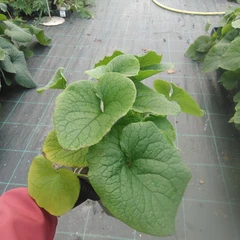
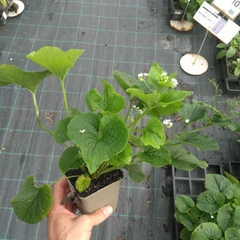
Brunnera Betty Bowring, Loukykvět

Brunnera macrophylla

Brunnera Betty Bowring

Largeleaf brunneras are an ideal choice for anyone looking for undemanding beauty for the shady corners of the garden. This perennial is characterized by its early sprouting and ability to cover the ground early in the spring with its decorative leaves. They are large and have a distinct heart shape, which makes the plant look attractive even when it is not currently blooming. The Betty Bowring variety will delight you with bright white flowers that appear in April and May, bringing light and elegance to the undergrowth of trees. It is a very rewarding and healthy plant, it does not suffer from pests or diseases, making it a great companion even for beginning gardeners. You can safely use the inflorescences in spring bouquets, where they form a delicate and airy addition to more prominent flowers. Thanks to its frost resistance, it will stay with us in the garden for many years. Show full description

Large seedling

Květináč K11 (11×11×12 cm)
Large seedling
Large seedling
Large seedling
1-2 kusy
4,79/ks
3-8 kusů
4,29/ks
9-14 kusů
3,79/ks
15+ kusů
3,59/ks
Skladem 0 ks

Seedling

Květináč K9 (9×9×9,5 cm)
Seedling
Seedling
Seedling
1-2 kusy
3,89/ks
3-8 kusů
3,49/ks
9-17 kusů
3,09/ks
18+ kusů
2,89/ks
Skladem 0 ks

Attracts pollinators 🐝

Ano

Difficulty

Beginner

Diseases

Disease-free 🙂

Edible

Ne
?
Information on whether the plant is edible.

Flower color

White

Flower color: Shade

Pure white

Foliage color

Green

Fragrant (aromatic) 👃

Ne

Frost resistance

-40
?
The temperature down to which the plant is frost hardy.

Hardiness zone

3a (-40 °C to -37.2 °C)

Height

30-40 cm

Moisture

💧💧

Pests

Pest-free 🙂

Position

Partial shade, shade

Soil

Loamy, humus-rich, clay

Spacing

40-40 cm
?
Recommended planting spacing.

Spacing: Plants per m²

7

Species

Perennial

Suitable for cutting

Ano

Suitable for drying

Ne
1
2
3
4
5
6
7
8
9
10
11
12
Flowering
April
June

Recommended products

Brunnera macrophylla, Loukykvět

Brunnera macrophylla

The largeleaf brunnera comes from the moist mountain forests of the Caucasus, where it forms dense undergrowth. It is an ideal perennial for shady and semi-shady corners of your garden, where it will thrive in humus-rich, moist soil. It resembles classic forget-me-nots in appearance, but don't be fooled, its leaves are much larger, heart-shaped, and rough to the touch. Thanks to them, it acts as a great groundcover plant that sprouts early in the spring and reliably covers bare soil with its leaves until late autumn. It thus forms a natural contrasting background for the delicate, tiny flowers. Tiny sky-blue flowers appear in April, May, and June, creating a beautiful delicate veil over the green carpet of leaves. The flower clusters are also suitable for cutting into spring hand-tied bouquets, where they look very tender. Just watch out for snails and slugs, who like to feast on the juicy leaves of the brunnera, so it's a good idea to check the plants regularly. It is a long-lived and hardy perennial that handles severe frosts without problems and will bring you joy in one place for many years.
3,89
More from 3,59
In Stock
Lady's mantle Irish Silk, Loukykvět

Alchemilla mollis

Alchemilla mollis, known as lady's mantle, is an indispensable perennial for anyone who wants to bring harmony and softness to the garden. Its home is the moister environments of mountain meadows and light forests, making it a very adaptable plant that will survive even severe frosts without problems in our climate. The 'Irish Silk' cultivar is prized for its vitality and abundant blooming, where clouds of tiny, yellow-green flowers float above clumps of gray-green leaves. It is precisely this neutral color that can work wonders in a flower bed – it softens overly sharp contrasts between other flowers and beautifully unifies the entire composition. Besides its ornamental function, lady's mantle also has practical uses. Thanks to its clumping growth and ability to quickly fill in, it is ideal for edging pathways or as an underplanting beneath taller shrubs and roses. Water droplets catch on its leaves, creating a magical spectacle in the garden. If you enjoy making bouquets, you will love lady's mantle as versatile filler greenery that matches almost anything. It will last beautiful for about ten days in a vase, and its inflorescences can also be easily dried without losing too much of their color or shape. Moreover, it is a magnet for pollinators, and its young leaves are even edible, so it also finds use in a natural kitchen.
2,99
More from 2,09
Coming Soon
Hellebore Double Ellen White, Loukykvět

Helleborus orientalis

Hellebores are evergreen perennials that form slowly spreading clumps of leathery, dark green leaves. The stems usually bear four to five flowers. They bloom very early, as early as late winter and early spring. They are usable for vases only after conspicuous seed pods form in the center of the flower and the flower matures. Earlier, they tend to wilt and the stems cannot hold the flower in an upright position. All parts of the plant are poisonous. Double Ellen White is an almost pure white, double-flowered hellebore. The petals are slightly wavy and the bottom row of petals is lightly tinged with green.
4,79
More from 4,69
In Stock
Autumn Moor Grass, Loukykvět

Sesleria autumnalis

Autumn moor grass is an exceptionally hardy ornamental grass that introduces fresh greenery to the garden right from early spring. Native to the rocky slopes of the Balkans, it is well-adapted to free-draining soils, making it an ideal choice for novice gardeners. It forms neat clumps growing thirty to fifty centimeters tall. Its greatest asset is its bright green foliage, which emerges early and remains in pristine condition in the borders well into winter. The plant is untouched by diseases or pests and handles severe frosts superbly. In August and September, delicate creamy-beige flowers appear above the foliage. These rather subtle spikelets give the plant an elegant, refined look. In the garden, it acts as a perfect filler perennial for sunny or partially shaded spots. It looks absolutely stunning paired with calamint, airy gaura, or flowering oregano. Its delicate flowers and leaves are easily used as foliage filler in fresh bouquets, or they can be dried for small-scale floristry projects.
3,79
More from 2,69
Coming Soon
Snowy Woodrush, Loukykvět

Luzula nivea

A beautiful, delicate woodland grass with evergreen overwintering leaves and interesting white inflorescences. An interesting element for spring beds. The flowers are suitable for fresh bouquets as well as for drying.
3,79
More from 2,69
In Stock
Catmint Walker’s Low, Loukykvět

Nepeta racemosa

Catmints are ideal companions for roses, suitable for naturalistic gardens, and lower species also for boxes and pots. Some of them are an irresistible attraction for cats, caused by the hallucinogen nepetalactone. This should be present in the highest amount in the species Nepeta cataria. Conversely, lemon-scented catmints reportedly do not attract cats. The botanical name Nepeta likely comes from the name of the ancient Etruscan city Nepet - Nepi in the territory of today's Italian province of Viterbo, where the plant was once cultivated. Nepeta racemosa naturally grows on dry meadows and rocky, stony slopes from the Caucasus to Central Asia. It has aromatic grey-green leaves and forms a tufted semi-spherical bush. Walker’s Low got its name after an Irish estate where it was bred in 1970. It has the most intense blue-violet flower coloration.
2,99
More from 2,09
Coming Soon
Knautia Melton Pastels, Loukykvět

Knautia macedonica

Knautia Melton Pastels is an abundantly and long-blooming, undemanding perennial with which you can easily conjure up a piece of wild nature right behind your house. The original species has its roots in the Balkans, where it grows wildly in sun-drenched thickets and on dry meadows. In flowerbeds, it immediately draws attention with its slender, tall stems. In the Melton Pastels cultivar, from early summer until autumn, they carry a flood of small flowers in pastel pink and burgundy tones. A healthy seedling in a pot will arrive at your home. Once you transplant it in the sun or partial shade with well-drained soil, it will quickly reward you with vigorous growth. It stands out best when you plant about five plants per square meter, with a spacing of half a meter from each other. Care for knautia is completely undemanding; it playfully survives even severe frosts and does not require complex fertilizing. Because it grows up to a meter in height, we recommend providing it with unobtrusive support. Although it belongs among short-lived perennials, nature designed it so that it readily self-seeds without any problems. For lovers of floral decorations, this plant is a literal treasure. The stems are long and sturdy, so they look completely natural in vases and give bouquets a meadow touch. They also apply excellently in the creation of dried arrangements, bringing interesting structure to them. Although it is a strong plant suitable for beginners, a minor ailment can be powdery mildew or aphids, which you just need to catch in time.
2,79
More from 1,99
Unavailable
Pro rok 2026 nedostupné
Persicaria Alba, Loukykvět

Persicaria amplexicaulis

This species of knotweed originates from the Himalayas and China, where it grows in scrub and on mountain meadows along streams at high altitudes. It forms sturdy clumps of fresh green, pointed leaves. Above them, upright, narrow, candle-like inflorescences composed of individual tiny flowers appear from summer onwards. It is a very popular perennial, recently bred into many cultivars and used in Western Europe in larger park and garden landscaping. It excels with a long flowering period in late summer and good durability in a vase. It was voted Perennial of the Season 2023 by the Czech Perennials Association. The white variety Alba stands out particularly well against a darker background and has long-lasting flowers.
4,79
More from 4,69
In Stock
Yarrow Love Parade, Loukykvět

Achillea sibirica

A lesser-known species of Yarrow has dark green glossy serrated leaves that remain attractive throughout the growing season, and a sweet pink color of flowers that are larger than the flowers of common Yarrow. It lasts 10 days in a vase.
2,79
More from 1,99
Unavailable
Pro rok 2026 nedostupné
Calamint Blue Cloud, Loukykvět

Calamintha nepeta

Lesser calamint Blue Cloud is an undemanding and modest perennial that reliably perfumes any sunny garden. Its original homeland is the sunny and dry slopes of Southern Europe, which is why it thrives best here in direct sun in well-drained, sandy, or poorer loamy soil. It handles winter without problems, tolerating frosts down to minus twenty-three degrees. You will receive a grown seedling in a pot from us, which you just need to transplant straight into the flowerbed, where it will very soon form a compact, airy small shrub reaching a height of up to forty centimeters. It does not suffer from any diseases or pests, so even complete beginners can easily handle caring for it. Throughout late summer and into autumn, it blooms with a record number of tiny blue flowers that are so typical of the Blue Cloud variety. The whole plant emits a pleasant minty-spicy scent, and its flowers, which resemble thyme, act as a literal magnet for bees, bumblebees, and butterflies. It will look great among roses or in naturally designed steppe flowerbeds, where it naturally complements lower ornamental grasses. Additionally, both the blue flowers and green leaves are edible, so you can use them to garnish summer dishes. Lesser calamint is also excellently suited for cutting into smaller fresh bouquets, adding a fine structure to them in a vase.
2,79
More from 1,99
Coming Soon
Bleeding Heart Alba, Loukykvět

Dicentra spectabilis Alba

The original home of bleeding hearts is Korea and China, where they grow in light deciduous forests. They are classic garden perennials. They will look perfect in nostalgically styled flower beds; the white variant fits well even into naturalistic woodland gardens. They are popular for their heart-shaped flowers hanging on horizontal or arching stems. These weaken and die back some time after flowering; all the plant's energy then concentrates in the roots, and at that moment, we can cut the above-ground part back completely. For the rest of the year, we won't even know the bleeding heart is in the garden. It will remind us of its charm again in the spring. Perfect vase life, at least 7 days. Harvest when the first 3–4 flowers open on the stem. Alba has beautiful pure white flowers; the shoots sprouting in spring are light lime green.
3,89
More from 2,89
In Stock
Bleeding Heart, Loukykvět

Dicentra spectabilis

The original home of bleeding hearts is Korea and China, where they grow in light deciduous forests. They are classic garden perennials. They will look perfect in nostalgically styled flower beds; the white variant fits well even into naturalistic woodland gardens. They are popular for their heart-shaped flowers hanging on horizontal or arching stems. These weaken and die back some time after flowering; all the plant's energy then concentrates in the roots, and at that moment, we can cut the above-ground part back completely. For the rest of the year, we won't even know the bleeding heart is in the garden. It will remind us of its charm again in the spring. Perfect vase life, at least 7 days. Harvest when the first 3–4 flowers open on the stem. The basic species has pink-white flowers. In spring, the sprouting shoots have a pink tinge.
3,89
More from 2,89
In Stock
Calamint, Loukykvět

Calamintha nepeta ssp. nepeta

An undemanding and modest perennial that blooms with a large number of tiny flowers. It blooms for a record-breaking length of time throughout late summer and autumn. It forms smaller, compact, airy bushes that release a minty-spicy scent. The thyme-like flowers attract bees, bumblebees, and butterflies. It will look good among roses as well as in naturalistic steppe beds, perhaps with lower grasses. This calamint is generally more vigorous. It differs from other calamints with felted leaves by its record flowering length, stiff and shiny leaves, and also a larger number of flowers that do not form seeds and are therefore maximally durable. Sometimes sold under the cultivar name 'Triumphator'.
2,79
More from 1,99
In Stock
Sweet Rocket Violet, Loukykvět

Hesperis matronalis

Hesperis matronalis, commonly known as sweet rocket, is popular for its rich inflorescences in purple and lilac shades, which appear from May to July. This robust plant grows up to one meter tall and functions in gardens as a short-lived perennial or biennial. Its flowers are a magnet for pollinators, especially nocturnal ones, which are attracted by its specific fragrance that intensifies after dark. It looks very natural in flowerbeds and perfectly complements perennial compositions, where it often self-seeds in suitable spots. If you love creating floral arrangements, sweet rocket will not disappoint you. We cut the stems the moment the first blooms open, and they will bring us joy in a vase for up to a week. A specific feature of this plant is that even after cutting, the stems can still grow slightly in water, which adds an interesting dynamic to bouquets.
2,79
More from 1,99
Coming Soon
Feather grass Pony Tails, Loukykvět

Stipa tenuissima

Feather grass flowers capture attention in beds and bouquets with their lightness and delicacy. All feather grasses love full sun and dry, stony, well-drained soil. To look most natural in beds, it is good to plant them in loose groups of several pieces together with other drought-loving perennials and bulbs. Only then do their stems and inflorescences, set in motion by the slightest breath of wind, truly stand out. Stipa 'Ponny Tails' is a species native to the steppes of Mexico, Texas, and Patagonia. Airy, dense clumps of hair-like delicate leaves resemble horsehair. The leaves are green, turning up to straw-colored towards the flowers. In a suitable location, it also self-seeds.
3,79
More from 2,69
In Stock
Meadowsweet Kahome, Loukykvět

Filipendula hybridum

Fluffy deep pink clouds of flowers are the main distinguishing feature of this meadowsweet. The 'Kahome' cultivar is a compact perennial reaching a height of around 40 to 50 centimeters, making it a great addition to the foreground of damper flowerbeds. The entire plant, including the dark green leaves, smells pleasant, and the flowers also spread an irresistible honey aroma around them. It is a rewarding and low-maintenance plant suitable even for beginners, you just need to keep in mind that it requires plenty of moisture for its happy growth. It is perfectly suited for waterlogged parts of gardens and the edges of ponds, where it naturally thrives. You can also use the inflorescences in summer bouquets; they will stay fresh in a vase for about seven days.
3,89
More from 2,89
In Stock
Hyssop Roseus, Loukykvět

Hyssopus officinalis

The Roseus hyssop is an aromatic subshrub whose structure and requirements strongly resemble the popular lavender. It originally comes from the sunny and dry regions of the Mediterranean and Asia Minor, so it thrives best in direct sun here as well. It favors well-drained, sandy, and even nutrient-poor soil, where it easily copes with a lack of moisture. You will receive a grown seedling in a pot from us, which you simply transplant straight into the flower bed, where it will very soon form a neat, richly branched bush reaching a height of around fifty centimeters. It is an absolutely undemanding plant that is not bothered by diseases or pests, so its cultivation can be easily handled even by complete beginners. It comfortably withstands severe frosts down to minus twenty-three degrees Celsius. In the garden, hyssop finds wide application. It fits perfectly into steppe-character gravel beds and beautifully complements roses or lower ornamental grasses. During the summer until early autumn, the Roseus variety will delight you with a flood of tiny flowers in a delicate light pink shade. These flowers, as well as the narrow green leaves, emit a pleasant spicy fragrance and reliably act as a huge lure for bees, bumblebees, and butterflies. Since all parts of the plant are edible, you can also use hyssop in the kitchen as a herb to flavor dishes or prepare a medicinal tea from it. You can also cut the long flowering stems for a vase, where they will add a fine texture and lightness to summer bouquets. Although the flowers are not suitable for drying for floral purposes, the plant will please you in the flower bed even out of season. The inflorescences form an interesting structure which, after the leaves fall and are covered by morning frost, creates a beautiful winter effect. Furthermore, if you provide hyssop with ideal conditions, it will reliably self-seed in its location and remain a solid part of your garden for many years.
2,79
More from 1,99
In Stock
Phlomis Tuberosa, Loukykvět

Phlomis tuberosa

Phlomis tuberosa, known in Czech as tuberous Jerusalem sage, brings an unmistakable silhouette to perennial plantings. This robust plant, originally from the European steppes, is perfectly suited for lovers of natural gardens looking for something novel. Its dark purple stems form an interesting contrast to the light pinkish-lilac flowers, which are arranged in regular whorls one above the other. This tiered structure appears very decorative and looks interesting in the bed, especially in combination with finer plants. For florists, Phlomis is a literal treasure. You can cut it for fresh summer bouquets, but its true moment comes when dried. The faded seed pods hold their shape perfectly and will continue to look spectacular in a vase all winter. If you leave it in the bed, it will provide a beautiful spectacle even in the months when the garden is sleeping. It is a completely undemanding and frost-resistant perennial that loves the sun and well-drained soil. In nature here, it belongs to the critically endangered species, so growing it in the garden is also a small contribution to the protection of biodiversity.
2,99
More from 2,09
In Stock
Woodland Sage Schneehügel, Loukykvět

Salvia nemorosa

This species of sage originates from the steppe regions of Central and Eastern Europe. It forms abundantly flowering small clumps with straight upright stems. In beds, it looks best in groups. Traditionally, it is planted as a companion to roses due to the matching flowering time. However, it will look equally good in mixed drought-loving steppe plantings with grasses. It is an excellent food source for bees. It lasts 7 days in a vase. Schneehügel blooms white.
2,99
More from 2,09
In Stock
Yarrow The Pearl, Loukykvět

Achillea ptarmica

This Yarrow grows primarily in damp or wet habitats – wet meadows, springs, banks of watercourses and ponds. The flowers are semi-double with a gray-yellow center. They last 10 days in a vase.
2,79
More from 1,99
Coming Soon
Baby's breath Flamingo, Loukykvět

Gypsophila paniculata

Paniculate baby's breath is originally a plant from the sandy steppes and slopes of southern Europe and central Asia, which has been grown in botanical gardens since the 18th century. Since the mid-19th century, it has also become naturalized in private gardens and became a classic cut perennial. In the garden, it applies excellently in modern-style steppe beds with grasses and drought-tolerant perennials, to which it adds airiness and lightness. The 'Flamingo' cultivar boasts a flood of tiny double flowers in a tender pink color, which last on the plant from July to September. The plant requires full sun and very well-drained, ideally sandy soil, because its deep taproots cannot stand winter dampness. Thanks to them, however, it resists drought excellently and is fully frost-resistant. For florists, baby's breath is indispensable, whether for fresh summer bouquets or for drying, as it retains its shape and color even after drying.
3,89
More from 3,59
In Stock s doručením od 10. 8. 2026
Verbena, Loukykvět

Verbena bonariensis

A verbena species originally from South America. In our country, it is often used as an annual, but in mild winters it can overwinter and reproduce by self-seeding. The firm, airy stems beautifully soften perennial beds and make them special with their purple color. It beautifully complements steppe plantings with grasses and rose beds.
3,29
More from 2,29
In Stock
Woodland Sage Amethyst, Loukykvět

Salvia nemorosa

This species of sage originates from the steppe regions of Central and Eastern Europe. It forms profusely flowering small clumps with straight, upright stems. In flower beds, it looks best in groups. It is traditionally planted as a companion to roses due to the matching flowering time. However, it looks equally good in mixed drought-tolerant steppe plantings with grasses. It is an excellent food source for bees. Lasts 7 days in a vase. Amethyst is an elegant variety with long stems and a pink flower color that is unusual for sages.
2,99
More from 2,09
In Stock posledních 7 kusů
Woodland Sage Caradonna, Loukykvět

Salvia nemorosa

This species of sage originally comes from the steppe regions of Central and Eastern Europe. It forms profusely flowering small clumps with straight upright stems. In flower beds, it looks best in groups. Traditionally, due to the identical flowering time, it is planted as a companion to roses. However, it will look just as good in mixed drought-loving steppe plantings with grasses. It lasts 7 days in a vase. The cultivar Caradonna stands out with a long flowering period and dark, almost black-purple stems with tiny purple flowers and dark purple bracts. If we cut it back after flowering, it will bloom again in late August and September.
2,99
More from 2,09
In Stock
Japanese Anemone Königin Charlotte, Loukykvět

Anemone hybrida

Anemones come from the same family as buttercups. With their elegant flowers on long slender stems, they can enliven and brighten up late summer and autumn flowerbeds. They stand out against the darker background of shrub groups and will also appreciate their partial shade. The Czech Perennial Association chose autumn anemones as the perennial of the season for 2022. They last 7 days in a vase. Königin Charlotte is a massive taller variety bred as early as 1898. It has strong, firm stems and semi-double large violet-pink flowers. The outer sides of the silky smooth petals are colored violet.
3,49
More from 3,59
In Stock
Hellebore Double Ellen Purple, Loukykvět

Helleborus orientalis

Hellebores are evergreen perennials that form slowly spreading clumps of leathery, dark green leaves. Stems usually bear four to five flowers. They bloom very early, as early as late winter and the beginning of spring. They are suitable for vases only after conspicuous seed pods form in the center of the flower and the flower matures. Before that, they tend to wilt and the stems cannot hold the flower in an upright position. All parts of the plant are poisonous. The flowers of Hellebore Double Ellen Purple are semi-double to double, deep purple in color with contrasting white stamens. As the flowers mature, the dark color fades and the edges of the petals remain distinctly colored.
4,79
More from 3,59
In Stock
Sea Holly, Loukykvět
For drying

Eryngium planum

Sea holly is an indispensable perennial for all lovers of naturally styled gardens. It earned its folk name - male fidelity - in times when it was used in herbal medicine as an aphrodisiac, and its roots were even candied as sweets in France and England. Today, however, you will appreciate it mainly for its low maintenance and unique appearance. Its home is on sunny hillsides and dry meadows, so even in our gardens, it will welcome well-drained, even poorer sandy soil and full sun. It produces upright, sturdy stems topped with blue-purple flowers with prickly bracts, which bring interesting structure and a silvery touch to the flowerbeds. It is literally a magnetic plant for bees, bumblebees, and butterflies, who find a rich food source on it. Floristically, it is extremely valuable, because its flowers are perfectly suited for cutting as well as drying for winter decorations. If you decide not to harvest it, feel free to leave it in the flowerbed all winter. Its silhouette covered in hoarfrost creates a wonderful winter effect. Although it is a short-lived perennial, in a suitable location it reliably self-seeds, so you will enjoy its beauty for many years.
2,79
More from 1,99
Coming Soon
Oriental Poppy Royal Wedding, Loukykvět

Papaver orientale

Oriental poppy Royal Wedding is an unmissable perennial that brings true elegance to the spring garden. It originally comes from the harsher conditions of the Caucasus, Turkey, and Iran, where it grows on sunny rocky slopes and dry meadows. Because of this, it is exceptionally resilient, easily handling frosts down to minus forty degrees, and can do without complex care. You will receive a grown seedling in a pot from us, which you just need to transplant to a sunny location with well-drained loamy soil. The cultivar Royal Wedding will reward you in May and June with huge bowl-shaped flowers with pure white petals, which hide a distinct dark burgundy spot in their center. Moreover, these enchanting flowers reliably attract pollinators from far and wide. It is typical for Oriental poppies that their strikingly fuzzy green leaves die back soon after flowering. The plant takes a break over the warmest summer to gather strength, and a smaller portion of the leaves often sprouts again only at the end of summer. Therefore, it is ideal to plant the poppy in the flower bed in close proximity to other perennials that sprout slightly later and naturally fill the empty space left by the resting poppy. It avoids diseases and needs no support, reaching a height of around sixty to eighty centimeters. Just watch out for field voles, which might develop a taste for its fleshy roots. Otherwise, it is a long-lived plant that even a complete beginner can handle without worries. Given that the plant is poisonous, it is naturally not intended for consumption. The giant white flowers are also a great attraction for lovers of cut flowers, although they require a little trick. Similar to other poppies, the stems need to be harvested exactly at the moment when the buds begin to color and slightly crack. Right after cutting, we sear the ends of the stems with a flame for about twenty seconds to prevent sap leakage, and then we put them into cold water. Thanks to this procedure, they will stay beautiful for about four days in a vase and add amazing lightness to bouquets. Although these delicate flowers are not suitable for drying, they simply have no competition in fresh spring bouquets.
2,79
More from 1,99
In Stock

Cultivation

Tento velkolistý pomněnkovec je vděčnou a dlouhověkou trvalkou, která vnese eleganci do tmavších koutů vaší zahrady. Pro výsadbu sazenic vybírejte místa s rozptýleným světlem nebo ve stínu, ideálně tam, kde je chladněji a vlhčeji. Přímé slunce rostlině škodí a způsobuje hnědnutí okrajů listů. Nejlépe poroste v půdě, která je výživná, humózní a hlinitá. Pokud máte na zahradě těžší jílovitou půdu, pomněnkovec ji zvládne bez problémů, pokud nebude stát ve vodě. Před výsadbou půdu prokypřete a zbavte plevelů.
Během vegetace je pro Betty Bowring nejdůležitější dostatek vláhy. Půda by měla být stále mírně vlhká. Pokud pěstujete rostlinu na sušším stanovišti, je pravidelná zálivka nezbytností. Velkým pomocníkem je vrstva mulče, která udrží kořeny v chladu a vlhku. Rostlina nevyžaduje oporu a díky své výšce 30–40 cm funguje skvěle jako půdopokryvná trvalka. Sázíme ji v počtu cca 7 rostlin na metr čtvereční, aby se listy časem zapojily a vytvořily souvislý koberec, skrze který neproroste plevel.
Údržba je minimální. Jakmile rostlina v dubnu a květnu odkvete svými čistě bílými květy, které mimochodem lákají opylovače 🐝 a jsou vhodné i k řezu do vázy, můžete přistoupit k řezu. Odstraněním odkvetlých stonků a starších listů podpoříte vitalitu rostliny a tvorbu nových, zdravých listů pro zbytek sezóny. Velkým bonusem je, že rostlina je prakticky bezúdržbová co se týče ochrany.
Pokud zvažujete pěstování v květináči, je to možné, ale vyžaduje to specifický přístup. Nádoba musí být umístěna v trvalém stínu, protože malý objem zeminy se na slunci rychle přehřívá. V zimě je rostlina ve volné půdě plně mrazuvzdorná (až -40 °C), ale v nádobě jsou kořeny náchylnější k promrznutí. Proto doporučujeme květináč na zimu obalit jutou nebo polystyrenem, případně jej zapustit do země, aby kořenový bal nebyl vystaven prudkým výkyvům teplot. Ve volné půdě rostlina přezimuje bez jakékoliv ochrany.

The information given is based on our experience, please use it as a guide only. Times may vary depending on the season, climate, location, sowing and transplanting dates and possibly also the conditions in the greenhouse/greenhouse. We always recommend testing how the plant performs in your conditions. Please do not take this as a guarantee.

Show all

Click to view the full growing instructions.

Frequently
asked
questions

Sklizeň

Vlastnosti

Pěstování

Množení

Stanoviště

Problémy

Nemoci & škudci

Základní informace

Photos
in time

See how the seedling looks over the course of a year.

Brunnera Betty Bowring - 1. 4. 2026
1. 4. 2026
Brunnera Betty Bowring - 31. 10. 2025
31. 10. 2025
Brunnera Betty Bowring - 13. 10. 2025
13. 10. 2025
Brunnera Betty Bowring - 10. 9. 2025
10. 9. 2025
Brunnera Betty Bowring - 10. 9. 2025
10. 9. 2025
Brunnera Betty Bowring - 21. 8. 2025
21. 8. 2025
Brunnera Betty Bowring - 19. 8. 2025
19. 8. 2025
Brunnera Betty Bowring - 19. 8. 2025
19. 8. 2025
Brunnera Betty Bowring - 25. 7. 2025
25. 7. 2025
Brunnera Betty Bowring - 10. 7. 2025
10. 7. 2025
Brunnera Betty Bowring - 24. 6. 2025
24. 6. 2025
Brunnera Betty Bowring - 9. 6. 2025
9. 6. 2025
Brunnera Betty Bowring - 13. 5. 2025
13. 5. 2025

More products in category Brunnera

Brunnera macrophylla, Loukykvět

Brunnera macrophylla

The largeleaf brunnera comes from the moist mountain forests of the Caucasus, where it forms dense undergrowth. It is an ideal perennial for shady and semi-shady corners of your garden, where it will thrive in humus-rich, moist soil. It resembles classic forget-me-nots in appearance, but don't be fooled, its leaves are much larger, heart-shaped, and rough to the touch. Thanks to them, it acts as a great groundcover plant that sprouts early in the spring and reliably covers bare soil with its leaves until late autumn. It thus forms a natural contrasting background for the delicate, tiny flowers. Tiny sky-blue flowers appear in April, May, and June, creating a beautiful delicate veil over the green carpet of leaves. The flower clusters are also suitable for cutting into spring hand-tied bouquets, where they look very tender. Just watch out for snails and slugs, who like to feast on the juicy leaves of the brunnera, so it's a good idea to check the plants regularly. It is a long-lived and hardy perennial that handles severe frosts without problems and will bring you joy in one place for many years.
3,89
More from 3,59
In Stock
Siberian Bugloss, Loukykvět

Brunnera sibirica

Siberian bugloss is a hardy perennial that is unfazed even by the shady corners of the garden where other plants fail to thrive. It earned its name thanks to its tiny blue flowers, which are very similar to classic forget-me-nots and bloom in April and May. Unlike its more famous relative, the largeleaf bugloss, this species spreads a bit more vigorously and forms dense stands. Thanks to its underground rhizomes, it works as a great groundcover plant that reliably suppresses weeds under trees or shrubs. Once the plant finishes blooming, all its energy moves into the large, deep green heart-shaped leaves, which quickly grow to their final size. It is an ideal choice for beginners because it handles heavier clay soils excellently and tolerates short-term drought. Furthermore, the flowers are suitable for cutting into spring tied bouquets, where they look very tender and add lightness to the arrangement.
2,99
More from 2,09
In Stock
Brunnera Variegata, Loukykvět

Brunnera macrophylla

Brunnera 'Variegata' is a long-lived perennial that will reliably light up even the darkest corners of your garden with its striking leaves. The original species comes from the mountain forests and meadows of the Caucasus, where it seeks out moister and shady places, making it an ideal companion for the undergrowth beneath trees and shrubs. Its large heart-shaped leaves have a fresh green color with a prominent creamy white edging, so the plant looks decorative throughout the season, not just when in bloom. Early in the spring, usually in April and May, tiny and delicate blue flowers that resemble classic forget-me-nots hover above the carpet of leaves. Thanks to the fact that it sprouts early and dies back late in autumn, it works perfectly as a groundcover plant that gives weeds no chance. The inflorescences are also suitable for cutting into spring vases, where with plenty of water they will last to bring joy for several days.
3,89
More from 3,59
Unavailable
Pro rok 2026 nedostupné
Brunnera Betty Bowring, Loukykvět

More products in category Perennials

Lady's mantle Irish Silk, Loukykvět

Alchemilla mollis

Alchemilla mollis, known as lady's mantle, is an indispensable perennial for anyone who wants to bring harmony and softness to the garden. Its home is the moister environments of mountain meadows and light forests, making it a very adaptable plant that will survive even severe frosts without problems in our climate. The 'Irish Silk' cultivar is prized for its vitality and abundant blooming, where clouds of tiny, yellow-green flowers float above clumps of gray-green leaves. It is precisely this neutral color that can work wonders in a flower bed – it softens overly sharp contrasts between other flowers and beautifully unifies the entire composition. Besides its ornamental function, lady's mantle also has practical uses. Thanks to its clumping growth and ability to quickly fill in, it is ideal for edging pathways or as an underplanting beneath taller shrubs and roses. Water droplets catch on its leaves, creating a magical spectacle in the garden. If you enjoy making bouquets, you will love lady's mantle as versatile filler greenery that matches almost anything. It will last beautiful for about ten days in a vase, and its inflorescences can also be easily dried without losing too much of their color or shape. Moreover, it is a magnet for pollinators, and its young leaves are even edible, so it also finds use in a natural kitchen.
2,99
More from 2,09
Coming Soon
Yarrow Summer Pastels, Loukykvět

Achillea millefolium

An original wild perennial with a large distribution area from Europe to Siberia. Suitable for natural and wild plantings. It grows in meadows and dry grassy places. A very adaptable and undemanding plant, it grows in clumps and spreads by runners. By cutting back after the first flowering, we encourage a set of new flowers. For bouquets, we harvest when the florets are fully open. It lasts 10 days in a vase. Summer Pastels is characterized by a changeable and soft range of colors from white and vanilla to salmon, brick red, and bronze.
3,09
More from 1,99
In Stock
Verbena, Loukykvět

Verbena bonariensis

A verbena species originally from South America. In our country, it is often used as an annual, but in mild winters it can overwinter and reproduce by self-seeding. The firm, airy stems beautifully soften perennial beds and make them special with their purple color. It beautifully complements steppe plantings with grasses and rose beds.
3,29
More from 2,29
In Stock
Woodland Sage Caradonna, Loukykvět

Salvia nemorosa

This species of sage originally comes from the steppe regions of Central and Eastern Europe. It forms profusely flowering small clumps with straight upright stems. In flower beds, it looks best in groups. Traditionally, due to the identical flowering time, it is planted as a companion to roses. However, it will look just as good in mixed drought-loving steppe plantings with grasses. It lasts 7 days in a vase. The cultivar Caradonna stands out with a long flowering period and dark, almost black-purple stems with tiny purple flowers and dark purple bracts. If we cut it back after flowering, it will bloom again in late August and September.
2,99
More from 2,09
In Stock
Russian Sage, Loukykvět

Perovskia atriplicifolia

Russian sage reliably brings a touch of sunny steppes into the garden and places almost no demands on care. These sparsely branched subshrubs originally come from harsh, rocky areas from Afghanistan to Tibet, where they grow on open sun-drenched plains. Thanks to its origin, it delights in full sun and poor, well-drained sandy soil with minimal moisture. You will receive from us a well-rooted seedling in a pot, which just needs to be transplanted straight to the chosen spot in the flower bed. It does not need support, is avoided by common pests and diseases, and will survive frosts down to minus twenty-eight degrees. It grows up to one hundred and twenty centimeters and forms striking white felted shoots with silvery grey aromatic leaves. From July to October, it blooms with tiny blue-purple flowers that act as a lure for bees and butterflies and are even edible. Russian sage stands out next to drought-tolerant perennials. The flowers are suitable for cutting and drying for winter arrangements. Moreover, the silvery stems will ensure a beautiful winter effect in the flower bed.
2,99
More from 2,09
In Stock
Gaura Siskiyou Pink, Loukykvět

Gaura lindheimeri

Gaura Siskiyou Pink is a charming perennial that brings lightness and airiness to the garden. Its original native area is in the warm regions of Texas and Louisiana, which is why it thrives in full sun and well-drained sandy soil. It grows in clumps and from June until the autumn frosts produces tiny raspberry-pink flowers that resemble fluttering butterflies. An interesting detail of this variety is the green leaves with a bronze tint and red spots. It is an absolutely undemanding plant, does not suffer from diseases or pests, and even beginners can handle its care. You will receive a grown seedling in a pot from us, which you simply need to transplant directly into the flowerbed. Here it complements ornamental grasses perfectly and acts as an attraction for bees and bumblebees. Although it grows more as a short-lived perennial in our climate, in a suitable place it reliably self-seeds. Occasional pinching will encourage richer branching. Gaura is excellent for summer bouquets. We cut the stems for a vase as soon as the first two to three little flowers open.
2,99
More from 2,09
In Stock
Coneflower Magnus, Loukykvět

Echinacea purpurea

A valuable garden and medicinal perennial, native to North America. It blooms in summer with dark purple-pink flowers. The spiky flower centers are an irresistible attraction for butterflies. They last 7–10 days in a vase. After removing the petals, the stems with the central disks can be dried or used in fresh bouquets as an interesting element. Magnus features distinctive deep pink flowers with an orange-brown center.
2,99
More from 2,09
Coming Soon
Sea Holly, Loukykvět
For drying

Eryngium planum

Sea holly is an indispensable perennial for all lovers of naturally styled gardens. It earned its folk name - male fidelity - in times when it was used in herbal medicine as an aphrodisiac, and its roots were even candied as sweets in France and England. Today, however, you will appreciate it mainly for its low maintenance and unique appearance. Its home is on sunny hillsides and dry meadows, so even in our gardens, it will welcome well-drained, even poorer sandy soil and full sun. It produces upright, sturdy stems topped with blue-purple flowers with prickly bracts, which bring interesting structure and a silvery touch to the flowerbeds. It is literally a magnetic plant for bees, bumblebees, and butterflies, who find a rich food source on it. Floristically, it is extremely valuable, because its flowers are perfectly suited for cutting as well as drying for winter decorations. If you decide not to harvest it, feel free to leave it in the flowerbed all winter. Its silhouette covered in hoarfrost creates a wonderful winter effect. Although it is a short-lived perennial, in a suitable location it reliably self-seeds, so you will enjoy its beauty for many years.
2,79
More from 1,99
Coming Soon
Echinacea pallida, Loukykvět

Echinacea pallida

The pale coneflower is one of the exceptionally interesting prairie perennials of the North American continent. In its natural environment, it grows on open, sunny plains, which is why it thrives best in our gardens in full sun in drier, well-drained soil. You just need to transplant this grown seedling straight into the flower bed, where it will reliably take root. It does not need support, easily withstands severe frosts, and is avoided by common diseases and pests, making it ideal for beginner growers. During June and July, it will reward you with aromatic flowers with unusually narrow and drooping petals in light purple and pink tones. The prominent prickly centers are literally a magnet for bees and bumblebees, and the flowers themselves are surprisingly edible. The plant stands out especially in rustic plantings together with ornamental grasses. Gardeners and florists love it for its versatility. The fresh stems bring joy in a vase for about a week. Moreover, the distinctive central cones hold their shape perfectly, can be perfectly dried for winter decorations, or left in the flower bed, where they will create an eye-catching winter structure under a layer of snow.
2,99
More from 2,09
In Stock s doručením od 24. 8. 2026
Coneflower Rubinstern, Loukykvět

Echinacea purpurea

A valuable garden and medicinal perennial, originally from North America. It blooms in summer with dark purple-pink flowers. The spiky flower discs are an irresistible lure for butterflies. Lasts 7–10 days in a vase. After plucking the petals, the stems with the central discs can be dried or used in fresh bouquets as an interesting element. Rubinstern is very similar to the Magnus cultivar; the petals are darker and firmer. As they fade, they gradually pale and droop downwards.
2,99
More from 2,09
In Stock
Woodland Sage Ostfriesland, Loukykvět

Salvia nemorosa

This species of sage originates from the steppe regions of Central and Eastern Europe. It forms abundantly flowering small clumps with straight upright stems. In beds, it looks best in groups. Traditionally, it is planted as a companion to roses due to the matching flowering time. However, it will look equally good in mixed drought-loving steppe plantings with grasses. It is an excellent food source for bees. It lasts 7 days in a vase. The cultivar Ostfriesland blooms with a strikingly dark violet-blue color.
2,99
More from 2,09
In Stock
Rudbeckia Goldsturm, Loukykvět

Rudbeckia fulgida

Rudbeckia Goldsturm is a reliable and long-lived perennial that will bring the warm tones of late summer and autumn into your garden. It originally comes from the open plains and prairies of North America, so it delights most in sunny locations with common garden soil, whether it is loamy, humus-rich, or clayey. You will receive from us an already grown seedling in a pot, which you just need to transplant to the chosen spot in the flower bed. It is a completely undemanding plant, does not suffer from diseases or pests, and easily survives severe frosts. The Goldsturm cultivar grows to a height of about seventy centimeters and does not need support. From August to October, it produces a flood of golden-yellow flowers with distinctly dark centers. These edible flowers attract pollinators and fit perfectly into both prairie and rustic plantings. Rudbeckia is also great for cutting, lasting around ten days in a vase. In addition, the distinctive dark centers can be easily dried. If you leave them in the flower bed over the winter, they will provide a wonderful spectacle.
2,79
More from 1,99
In Stock
Gaura Summer Breeze, Loukykvět

Gaura lindheimeri

The charming gaura comes from the sun-drenched plains of Texas and Louisiana and represents exactly the plant that can liven up any drought-tolerant planting. It is a naturally profusely blooming perennial that delights in full sun and well-drained, sandy, and nutrient-poor soil. You will receive from us an already grown seedling in a pot, which will quickly form a vigorous clump after being transplanted into the garden. From early summer until late autumn, it will delight you with a flood of tiny flowers in pure white and delicate pink tones. The flowers gently sway in the breeze and with their appearance resemble a flock of tiny butterflies, which also really like to land on the plant, as do bees and bumblebees. Although gaura is known as a short-lived perennial, thanks to its willing self-seeding, it will last for many years in your garden. Caring for it is completely undemanding, it is avoided by most diseases and pests, and it can handle frosts down to eighteen degrees below zero without any problems. It is often used in mixed borders, where it beautifully softens the overall impression, and perfectly matches various types of ornamental grasses. The Summer Breeze variety is popular for its strong and healthy growth as well as its exceptionally generous set of flowers, which grow to about one meter. If you like to create your own bouquets, do not hesitate to cut gaura for a vase. Harvesting is best done the moment the first small flowers on the stem begin to open. These delicate flowers are not suitable for drying into dried arrangements, but they will beautifully lighten up fresh bouquets.
2,99
More from 2,09
Coming Soon
Woodland Sage Amethyst, Loukykvět

Salvia nemorosa

This species of sage originates from the steppe regions of Central and Eastern Europe. It forms profusely flowering small clumps with straight, upright stems. In flower beds, it looks best in groups. It is traditionally planted as a companion to roses due to the matching flowering time. However, it looks equally good in mixed drought-tolerant steppe plantings with grasses. It is an excellent food source for bees. Lasts 7 days in a vase. Amethyst is an elegant variety with long stems and a pink flower color that is unusual for sages.
2,99
More from 2,09
In Stock posledních 7 kusů
Calamint Blue Cloud, Loukykvět

Calamintha nepeta

Lesser calamint Blue Cloud is an undemanding and modest perennial that reliably perfumes any sunny garden. Its original homeland is the sunny and dry slopes of Southern Europe, which is why it thrives best here in direct sun in well-drained, sandy, or poorer loamy soil. It handles winter without problems, tolerating frosts down to minus twenty-three degrees. You will receive a grown seedling in a pot from us, which you just need to transplant straight into the flowerbed, where it will very soon form a compact, airy small shrub reaching a height of up to forty centimeters. It does not suffer from any diseases or pests, so even complete beginners can easily handle caring for it. Throughout late summer and into autumn, it blooms with a record number of tiny blue flowers that are so typical of the Blue Cloud variety. The whole plant emits a pleasant minty-spicy scent, and its flowers, which resemble thyme, act as a literal magnet for bees, bumblebees, and butterflies. It will look great among roses or in naturally designed steppe flowerbeds, where it naturally complements lower ornamental grasses. Additionally, both the blue flowers and green leaves are edible, so you can use them to garnish summer dishes. Lesser calamint is also excellently suited for cutting into smaller fresh bouquets, adding a fine structure to them in a vase.
2,79
More from 1,99
Coming Soon
Daisy Maikönigin, Loukykvět

Leucanthemum vulgare

A classic perennial for early summer bouquets and cottage gardens. For bouquets, we harvest flowers with firm, smooth central disks. Then they last 7–10 days in a vase. Maikönigin is an exceptionally abundantly flowering garden form.
2,79
More from 1,99
In Stock
Yarrow Terracotta, Loukykvět

Achillea millefolium

A native wild perennial with a large distribution range from Europe to Siberia. Suitable for natural and wild plantings. It grows in meadows and dry grassy places. A very adaptable and undemanding plant, it grows in clumps and spreads via runners. Cutting back after the first bloom encourages a new set of flowers. Harvest for bouquets when the tiny flowers are fully open. It lasts 10 days in a vase. Terracotta features ochre, shades of orange and yellow, and gray-green foliage.
2,99
More from 2,89
In Stock
Calamint, Loukykvět

Calamintha nepeta ssp. nepeta

An undemanding and modest perennial that blooms with a large number of tiny flowers. It blooms for a record-breaking length of time throughout late summer and autumn. It forms smaller, compact, airy bushes that release a minty-spicy scent. The thyme-like flowers attract bees, bumblebees, and butterflies. It will look good among roses as well as in naturalistic steppe beds, perhaps with lower grasses. This calamint is generally more vigorous. It differs from other calamints with felted leaves by its record flowering length, stiff and shiny leaves, and also a larger number of flowers that do not form seeds and are therefore maximally durable. Sometimes sold under the cultivar name 'Triumphator'.
2,79
More from 1,99
In Stock
Woodland Sage Schneehügel, Loukykvět

Salvia nemorosa

This species of sage originates from the steppe regions of Central and Eastern Europe. It forms abundantly flowering small clumps with straight upright stems. In beds, it looks best in groups. Traditionally, it is planted as a companion to roses due to the matching flowering time. However, it will look equally good in mixed drought-loving steppe plantings with grasses. It is an excellent food source for bees. It lasts 7 days in a vase. Schneehügel blooms white.
2,99
More from 2,09
In Stock
Japanese Anemone Whirlwind, Loukykvět

Anemone hybrida

Anemones come from the same family as buttercups. With their elegant flowers on long slender stems, they can liven up and brighten late summer and autumn beds. They stand out against the darker background of shrub groups and will also be grateful for their partial shade. The Czech Perennial Association chose autumn Anemones as the perennial of the season for 2022. They last 7 days in a vase. Whirlwind is a historical variety bred in 1887 in the USA. It has a semi-double pure white flower, often with inner twisted petals, and compact, strictly upright growth. The flowers are very durable.
3,49
More from 3,59
In Stock