


Lupinus
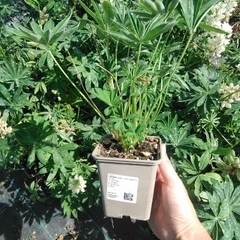
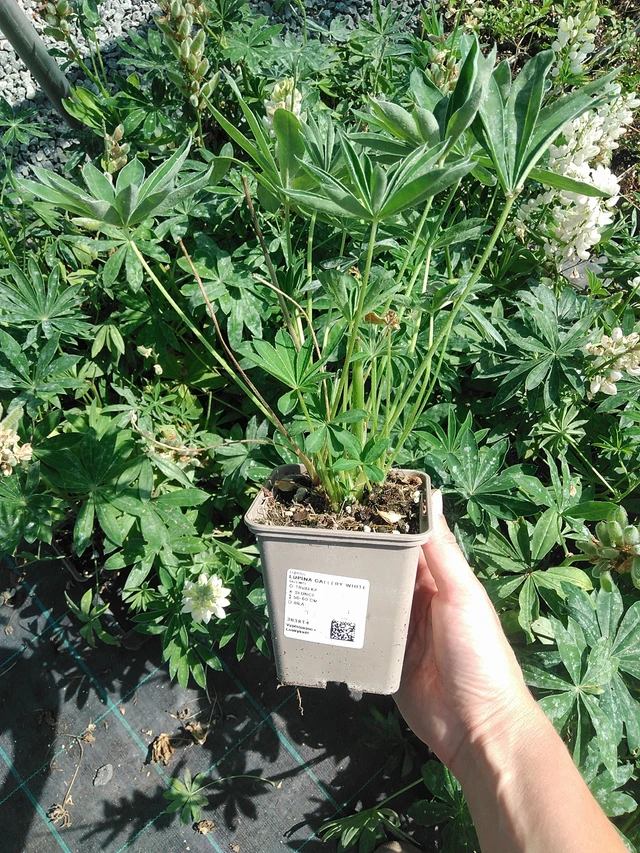
Lupine Gallery White
Seedling


Attracts pollinators 🐝
Difficulty
Diseases
Edible
Flower color
Flower color: Shade
Foliage color
Fragrant (aromatic) 👃
Frost resistance
Hardiness zone
Height
Moisture
Pests
Position
Soil
Spacing
Spacing: Plants per m²
Species
Suitable for cutting
Suitable for drying
Recommended products

Lupinus
Lupine Band of Nobles Kastellan

Lupinus
Lupine Band of Nobles Fräulein

Salvia nemorosa
Woodland Sage Schneehügel

Dicentra spectabilis Alba
Bleeding Heart Alba

Aquilegia vulgaris
Columbine Kristall

Verbena bonariensis
Verbena

Verbena hastata
Blue Vervain Pink Spires

Anemone hybrida
Japanese Anemone Andrea Atkinson

Veronicastrum virginicum
Culver's Root Album

Coreopsis
Coreopsis Full Moon

Anemone hybrida
Japanese Anemone Whirlwind

Dicentra spectabilis
Bleeding Heart

Phlox paniculata
Phlox Franz Schubert

Aquilegia vulgaris
Columbine White Barlow

Hydrangea arborescens
Smooth Hydrangea Annabelle

Sanguisorba officinalis
Great Burnet

Lavandula angustifolia
Lavender Rosea

Filipendula hybridum
Meadowsweet Kahome

Physostegia virginiana
Obedient plant Alba

Gypsophila paniculata
Baby's Breath Snowflake

Coreopsis verticillata
Coreopsis Moonbeam

Catananche caerulea
Shoofly plant Blue

Achillea millefolium
Yarrow Terracotta

Papaver orientale
Oriental Poppy Royal Wedding

Delphinium hybrida
Larkspur Benary’s Pacific Black Knight

Liatris spicata
Liatris Floristan White

Mentha spicata
Moroccan mint

Achillea millefolium
Yarrow Summer Pastels

Delphinium hybrida
Larkspur Benary’s Pacific Blue Bird

Cephalaria gigantea
Giant scabious
Cultivation
Lupine appreciates a sunny location and permeable soil with plenty of moisture. Conversely, we must be careful about winter waterlogging, which could lead to root rot. Therefore, we prefer not to mulch the bed with Lupines. After the main wave of flowering, we can carefully trim the plants; sometimes Lupines manage to bloom once more. If we let the seeds ripen, we can collect them and use them for sowing. Lupines crossbreed willingly among themselves, and if we grow multiple cultivars, we can expect multi-colored offspring.
The information given is based on our experience, please use it as a guide only. Times may vary depending on the season, climate, location, sowing and transplanting dates and possibly also the conditions in the greenhouse/greenhouse. We always recommend testing how the plant performs in your conditions. Please do not take this as a guarantee.
Photos in time
See how the seedling looks over the course of a year.


More products in category Lupine

Lupinus
Lupine Band of Nobles Schloßfrau
Lupinus
Lupine Band of Nobles Kastellan
Lupinus
Lupine Band of Nobles Fräulein

Lupinus
Lupine Gallery Pink

Lupinus
Lupine Gallery Blue
More products in category Perennials

Alchemilla mollis
Lady's mantle Irish Silk
Achillea millefolium
Yarrow Summer Pastels
Verbena bonariensis
Verbena

Salvia nemorosa
Woodland Sage Caradonna

Perovskia atriplicifolia
Russian Sage

Gaura lindheimeri
Gaura Siskiyou Pink

Echinacea purpurea
Coneflower Rubinstern

Echinacea pallida
Echinacea pallida

Salvia nemorosa
Woodland Sage Ostfriesland

Eryngium planum
Sea Holly

Echinacea purpurea
Coneflower Magnus

Calamintha nepeta
Calamint Blue Cloud

Rudbeckia fulgida
Rudbeckia Goldsturm

Calamintha nepeta ssp. nepeta
Calamint

Gaura lindheimeri
Gaura Summer Breeze

Salvia nemorosa
Woodland Sage Amethyst

Leucanthemum vulgare
Daisy Maikönigin
Achillea millefolium
Yarrow Terracotta

Perovskia atriplicifolia
Russian sage Little Spire
Salvia nemorosa


