

Physostegia virginiana
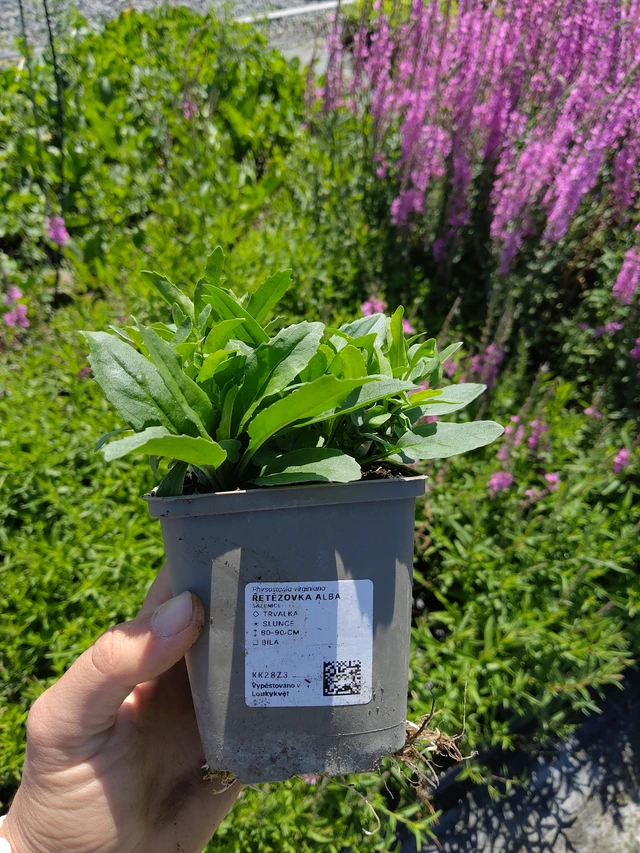
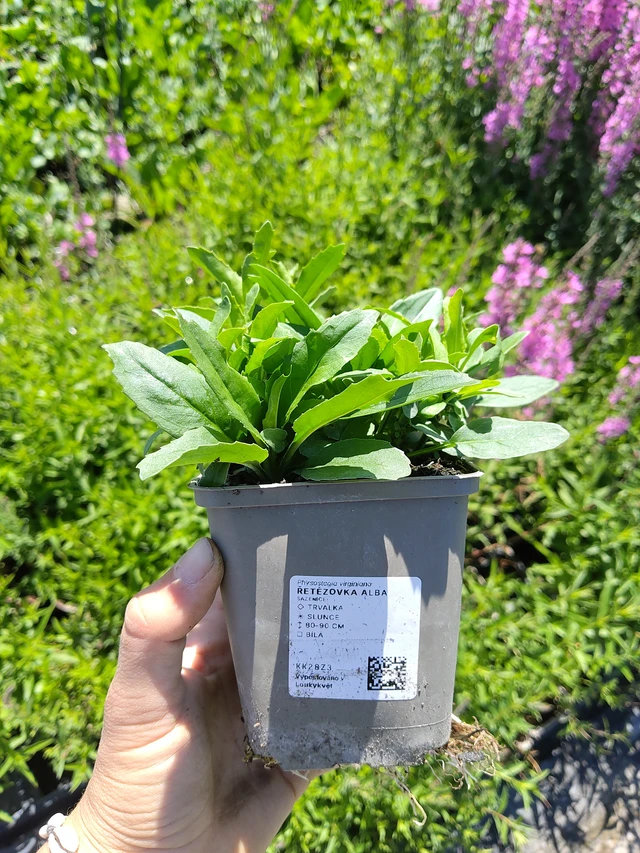
Obedient plant Alba
Seedling

Attracts pollinators 🐝
Difficulty
Diseases
Edible
Flower color
Flower color: Shade
Foliage color
Fragrant (aromatic) 👃
Frost resistance
Hardiness zone
Height
Moisture
Pests
Position
Soil
Spacing
Spacing: Plants per m²
Species
Suitable for cutting
Suitable for drying
Recommended products

Physostegia virginiana
Obedient plant Bouquet Rose

Catananche caerulea
Shoofly plant Blue

Achillea millefolium
Yarrow Summer Pastels

Physostegia virginiana
Obedient Plant Rosea

Leucanthemum vulgare
Daisy Maikönigin

Achillea millefolium
Yarrow Lilac Beauty

Achillea millefolium
Yarrow Lachsschönheit

Echinacea purpurea
Coneflower White Swan

Achillea ptarmica
Yarrow The Pearl

Aquilegia vulgaris
Columbine Kristall

Gypsophila paniculata
Baby's Breath Snowflake

Filipendula hybridum
Meadowsweet Kahome

Delphinium hybrida
Larkspur Benary’s Pacific Galahad

Verbena hastata
Blue Vervain Pink Spires

Achillea millefolium
Yarrow Terracotta

Achillea millefolium
Yarrow Cerise Queen

Phlomis russeliana
Phlomis Russeliana

Gypsophila paniculata
Baby's breath Flamingo

Salvia nemorosa
Woodland Sage Schneehügel

Calamintha nepeta ssp. nepeta
Calamint

Knautia macedonica
Knautia Red Knight

Lychnis coronaria
Campion

Centaurea montana
Mountain Cornflower

Achillea millefolium
Yarrow Cassis

Helianthus microcephalus
Sunflower Lemon Queen

Verbena hastata
Verbena hastata White Spires

Helleborus orientalis
Hellebore Double Ellen White

Sidalcea
Checkerbloom Brilliant

Aquilegia vulgaris
Columbine Blue Barlow

Anemone hybrida
Japanese Anemone Andrea Atkinson
Cultivation
If you are looking for a plant that will brighten up the garden at a time when most annuals and perennials are ending their season, obedient plant 'Alba' is a great choice. We plant the seedlings in well-prepared, nutrient-rich soil. Do not be afraid of places where the soil is heavier and clayey; the obedient plant will deal with it better than most other species as long as it has constant moisture. The location should be sunny so that the plant blooms abundantly and the stems do not stretch; partial shade is also tolerable. Since it is a long-lived perennial that gradually spreads by rhizomes on the site, give it plenty of space when planting. A spacing of 50 cm is ideal for creating a dense stand that won't give weeds a chance in the future. The plant is vigorous and healthy, naturally resisting diseases and pests, making it an ideal choice for beginner gardeners.
During the summer, the most important task is watering. The obedient plant loves water and will be grateful for regular watering in dry periods. A lack of water will manifest as wilting and weaker blooming. To encourage the setting of new buds, you can remove faded parts, but even the left-over seed pods have their ornamental value, especially in dry arrangements or as a winter effect in the flowerbed. The plant is fully frost-resistant even to extreme temperatures, so it handles overwintering in our conditions absolutely without problems, with no need for covering with evergreen boughs. In the spring, simply remove the dry above-ground parts close to the ground, and the plant will resprout. Since the plant is edible, you can also use its flowers as an unconventional garnish for dishes.
Growing the obedient plant in a planter box or pot is possible, but be prepared to supplement its natural moist environment. In the confined space of a container, the substrate dries out quickly, which is stressful for this moisture-loving perennial. If you decide on a container, choose the largest possible volume and mix a hydrogel into the substrate to help retain water. Place it in partial shade rather than in scorching sun to reduce water evaporation. Even though it is fully frost-resistant in the ground, roots in a pot are more susceptible to freezing, so it is advisable to insulate the container for the winter and put it in a protected place, or transplant the plant into open ground in the autumn.
The information given is based on our experience, please use it as a guide only. Times may vary depending on the season, climate, location, sowing and transplanting dates and possibly also the conditions in the greenhouse/greenhouse. We always recommend testing how the plant performs in your conditions. Please do not take this as a guarantee.
What should I do with Physostegia after it finishes flowering?
How much and how often should I water the Physostegia?
What planting spacing should I choose for the seedlings?
Does Physostegia require fertilization?
Is Physostegia suitable for container growing?
Frequently asked questions
Diseases & pests
Is Physostegia susceptible to any diseases or pests?
Planting site
Where is the best place to plant Physostegia 'Alba'?
Will the Physostegia thrive in clay soil?
Harvest
Do the Physostegia flowers last in a vase?
Characteristics
How fast does the plant spread and is it invasive?
Is this plant suitable for pollinators?
When exactly does the Physostegia bloom?
Is the Physostegia frost-hardy, or do I need to cover it for the winter?
Basic information
Is this plant toxic to pets?
Photos in time
See how the seedling looks over the course of a year.


More products in category Obedient plant

Physostegia virginiana
Obedient plant Vivid
Physostegia virginiana
Obedient Plant Rosea
Physostegia virginiana
Obedient plant Bouquet Rose

Physostegia virginiana
Obedient plant Miss Manners

Physostegia virginiana
Obedient plant Summer Snow
More products in category Perennials

Alchemilla mollis
Lady's mantle Irish Silk
Achillea millefolium
Yarrow Summer Pastels

Verbena bonariensis
Verbena

Salvia nemorosa
Woodland Sage Caradonna

Perovskia atriplicifolia
Russian Sage

Gaura lindheimeri
Gaura Siskiyou Pink

Echinacea purpurea
Coneflower Rubinstern

Echinacea pallida
Echinacea pallida

Eryngium planum
Sea Holly

Echinacea purpurea
Coneflower Magnus

Salvia nemorosa
Woodland Sage Ostfriesland

Calamintha nepeta
Calamint Blue Cloud

Rudbeckia fulgida
Rudbeckia Goldsturm
Calamintha nepeta ssp. nepeta
Calamint

Salvia nemorosa
Woodland Sage Amethyst

Gaura lindheimeri
Gaura Summer Breeze
Leucanthemum vulgare
Daisy Maikönigin
Achillea millefolium
Yarrow Terracotta

Perovskia atriplicifolia
Russian sage Little Spire
Salvia nemorosa


