
Geum
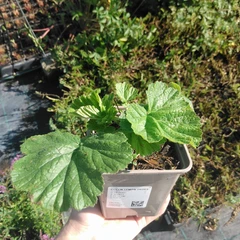
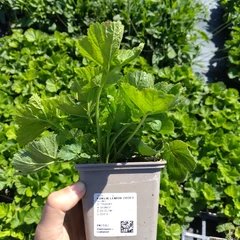
Geum Lemon Drops
Seedling
Attracts pollinators 🐝
Difficulty
Diseases
Edible
Flower color
Flower color: Shade
Foliage color
Fragrant (aromatic) 👃
Frost resistance
Hardiness zone
Height
Moisture
Pests
Position
Soil
Spacing
Spacing: Plants per m²
Species
Suitable for cutting
Suitable for drying
Recommended products

Anemone hupehensis
Anemone Praecox

Geum rivale
Geum Mango Lassi

Geum
Geum East of Eden

Delphinium elatum
Delphinium Highlander Cha Cha

Helleborus orientalis
Hellebore Pretty Ellen Pink

Geum chiloense
Avens Tempest Scarlet

Anemone hybrida
Japanese Anemone Whirlwind

Geum chiloense
Avens Totally Tangerine

Delphinium elatum
Delphinium Highlander Flamenco

Delphinium elated
Delphinium Highlander Samba

Tanacetum parthenium
Feverfew Crown White

Gypsophila paniculata
Baby's breath Flamingo

Helleborus orientalis
Hellebore Double Ellen Flash

Anemone hybrida
Japanese anemone Lorelei

Stokesia laevis
Stokes' aster Peachie's Pick

Aquilegia vulgaris
Columbine Nora Barlow

Aquilegia vulgaris
Columbine Rose Barlow

Aquilegia vulgaris
Columbine Kristall

Sanguisorba officinalis
Great Burnet

Clematis heracleifolia
Clematis New Love

Phlomis russeliana
Phlomis Russeliana

Centaurea cyanus
Cornflower Tall Double Black Boy

Papaver paeoniflorum
Peony Poppy Salmon

Talinum paniculatum
Talinum Jewels of Opar

Hydrangea arborescens
Smooth Hydrangea Annabelle

Allium caeruleum
Allium caeruleum

Tulipa
Tulip Salmon Impression

Pennisetum alopecuroides var. viridescens
Fountain grass viridescens

Helleborus orientalis
Hellebore Double Ellen White

Helleborus orientalis
Hellebore Double Ellen Picotee
Cultivation
Geum Lemon Drops is a rewarding perennial that will bring freshness to your garden if you provide it with humous, non-drying soil. The ideal spot for it is the edge of a flowerbed in the sun or in light partial shade, where its delicate texture will stand out. When preparing the soil, avoid heavy clay bases that retain too much water in winter; if you have such soil, lighten it with sand and leaf mold. Plant the seedlings at the same level they were in the container, and water them thoroughly after planting. Thanks to its low maintenance, the plant is suitable even for beginner gardeners, who will appreciate its resistance to common diseases and pests. In the spring, you will please the plant with a dose of full fertilizer or a layer of compost spread around the clump, which will encourage the set of lemon-yellow flowers.
A specific feature of Geums is their tendency to be somewhat short-lived perennials, which, however, can be easily resolved with regular maintenance. For the plant to bring you joy for many years, it is necessary to regularly rejuvenate it by division. Once you notice that the center of the clump is starting to thin out or the plant is blooming less (usually after 2–3 years), dig it up, divide it into smaller parts with a spade or a sharp knife, and replant them. With this simple intervention, which is performed early in the spring or after blooming, you will propagate the plant and keep it in perfect condition. After blooming in May and June, it is also advisable to cut the stems with faded flowers all the way to the ground, which will give the plant energy and keep the compact mound of leaves attractive for the rest of the season.
Thanks to its low growth and frost hardiness, Lemon Drops is an excellent choice for year-round growing in outdoor containers. In winter, when temperatures drop deep below freezing, the plant is completely safe in open ground, but in containers, we recommend protecting the root ball by wrapping the pot with burlap or polystyrene so that it does not freeze from the sides. The leaves, which remain green in milder winters, create a nice effect even in the cold months. In the spring, just clean the clumps of old leaves and the plant will quickly resprout. Do not forget that the flowers attract bees and other pollinators, so even when growing on a balcony or terrace, you will contribute to supporting beneficial insects in your surroundings.
The information given is based on our experience, please use it as a guide only. Times may vary depending on the season, climate, location, sowing and transplanting dates and possibly also the conditions in the greenhouse/greenhouse. We always recommend testing how the plant performs in your conditions. Please do not take this as a guarantee.
How often should I water the geum?
Do I need to prune Geum? How do I maintain it?
Is the Geum 'Lemon Drops' frost-hardy?
Frequently asked questions
Planting site
What kind of soil does this Geum need?
Where is the best place to plant Geum 'Lemon Drops'?
Can I grow Geum 'Lemon Drops' in a pot?
Characteristics
Does this plant attract bees and butterflies?
How fast does it spread and how many seedlings should I plant?
When and for how long does Geum bloom?
Is Geum toxic to children or pets?
Can I use Geum flowers in a vase?
Basic information
Is this plant suitable for beginner gardeners?
Propagation
How do I propagate Geum and how do I rejuvenate it?
Diseases & pests
Is the geum prone to any diseases or pests?
Photos in time
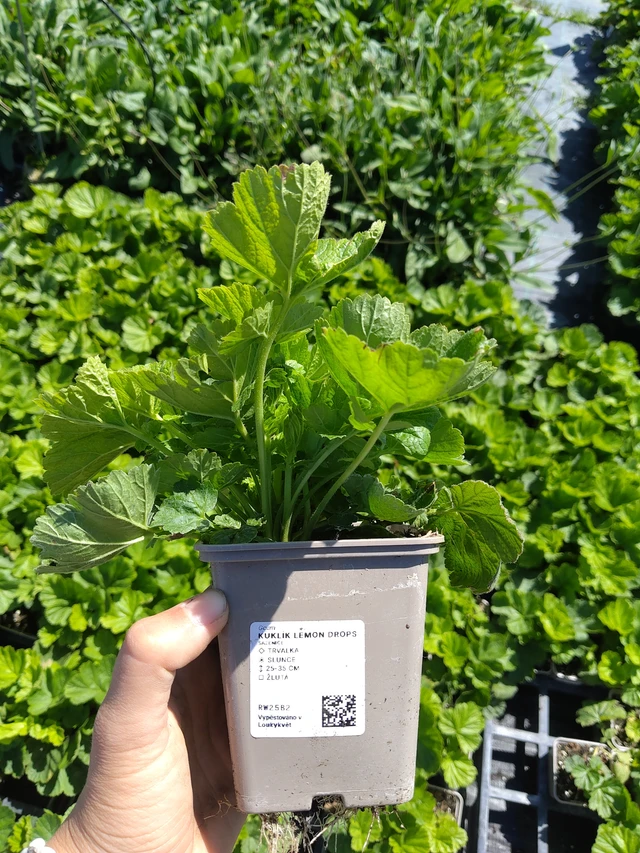
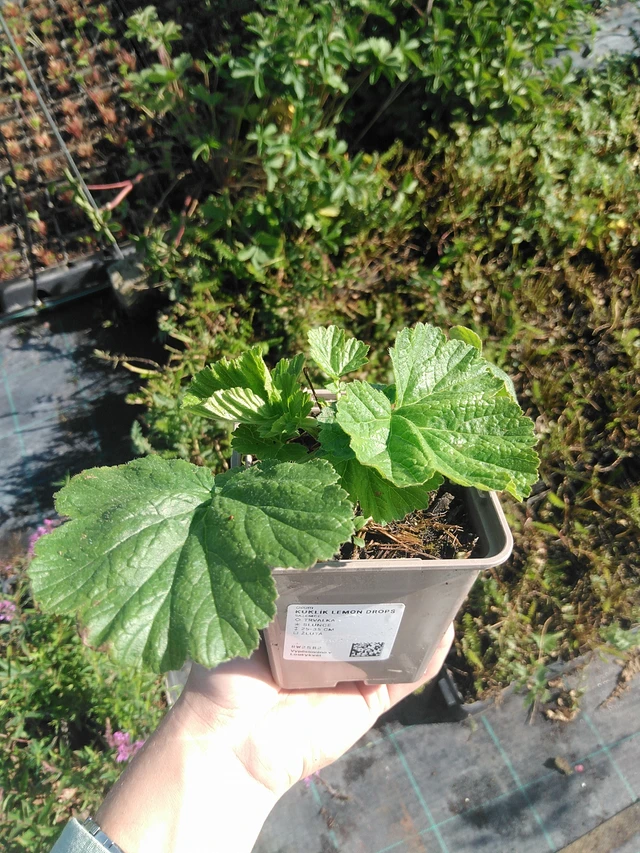
See how the seedling looks over the course of a year.
More products in category Avens
Geum rivale
Geum Mai Tai

Geum rivale
Water Avens
Geum chiloense
Avens Totally Tangerine
Geum chiloense
Avens Tempest Scarlet
Geum rivale
Geum Mango Lassi

Geum
Geum Smokey Peach

Geum coccineum
Geum Borisii
Geum
Geum East of Eden
More products in category Perennials

Alchemilla mollis
Lady's mantle Irish Silk

Achillea millefolium
Yarrow Summer Pastels

Verbena bonariensis
Verbena

Salvia nemorosa
Woodland Sage Caradonna

Perovskia atriplicifolia
Russian Sage

Gaura lindheimeri
Gaura Siskiyou Pink

Echinacea purpurea
Coneflower Rubinstern

Echinacea pallida
Echinacea pallida

Eryngium planum
Sea Holly

Echinacea purpurea
Coneflower Magnus

Salvia nemorosa
Woodland Sage Ostfriesland

Calamintha nepeta
Calamint Blue Cloud

Rudbeckia fulgida
Rudbeckia Goldsturm

Calamintha nepeta ssp. nepeta
Calamint

Gaura lindheimeri
Gaura Summer Breeze

Salvia nemorosa
Woodland Sage Amethyst

Leucanthemum vulgare
Daisy Maikönigin

Achillea millefolium
Yarrow Terracotta

Perovskia atriplicifolia
Russian sage Little Spire

Salvia nemorosa


