
Caryopteris clandonensis
Bluebeard Sterling Silver
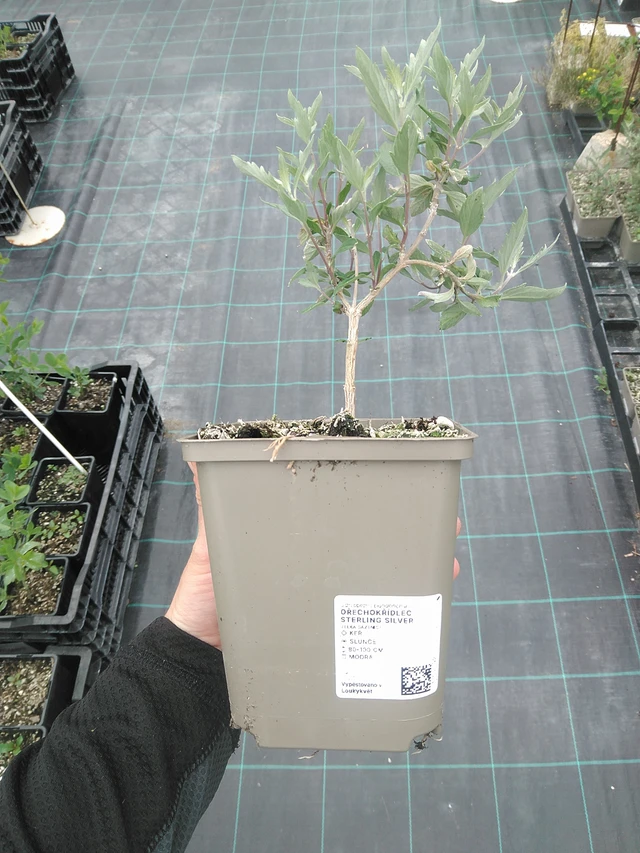
Large seedling
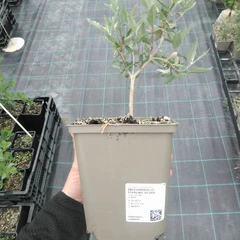
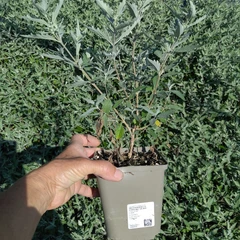

Attracts pollinators 🐝
Difficulty
Diseases
Edible
Flower color
Flower color: Shade
Foliage color
Fragrant (aromatic) 👃
Frost resistance
Hardiness zone
Height
Moisture
Pests
Position
Soil
Spacing
Spacing: Plants per m²
Species
Suitable for cutting
Suitable for drying
Recommended products

Caryopteris clandonensis
Bluebeard Kew Blue

Pennisetum alopecuroides
Fountain grass Hameln

Perovskia
Russian Sage Blue Spire

Nepeta racemosa
Catmint Walker’s Low

Achillea millefolium
Yarrow Summer Pastels

Nepeta faassenii
Catmint Six Hills Giant

Achillea millefolium
Yarrow Terracotta

Lavandula angustifolia
Lavender Rosea

Artemisia ludoviciana
Artemisia Silver Queen

Sedum spectabile
Sedum Matrona

Salvia nemorosa
Woodland Sage Schneehügel

Achillea millefolium
Yarrow Lilac Beauty

Gypsophila paniculata
Baby's breath Flamingo

Coreopsis verticillata
Coreopsis Moonbeam

Calamintha nepeta ssp. nepeta
Calamint

Echinacea purpurea
Coneflower White Swan

Alchemilla mollis
Lady's mantle Irish Silk

Knautia macedonica
Knautia Red Knight

Echinacea purpurea
Coneflower Mellow Yellows

Leucanthemum vulgare
Daisy Maikönigin

Gypsophila paniculata
Baby's Breath Snowflake

Papaver orientale
Oriental Poppy Royal Wedding

Salvia pratensis
Meadow Sage Rose Rhapsody

Aster ericoides
Aster Schneetanne

Anemone hybrida
Japanese anemone Lorelei

Achillea millefolium
Yarrow Lachsschönheit

Anemone hybrida
Japanese Anemone Whirlwind

Anemone hybrida
Japanese Anemone Serenade

Cephalaria gigantea
Giant scabious

Phlomis russeliana
Phlomis Russeliana
Cultivation
Bluebeard 'Sterling Silver' is a great choice for anyone who wants to bring a piece of summer atmosphere to the garden without unnecessarily complicated care. You will receive the plant as a healthy and high-quality seedling in a pot, ready for immediate outdoor planting. For successful growth and abundant flowering, this roughly one-meter-tall shrub requires full sun and maximum heat. The soil must be very well drained, even poorer, sandy, or loamy. On the contrary, it will not thrive in heavy and waterlogged clay soils, so do not skimp on sand or gravel during planting to create reliable drainage. Place the plants at a distance of 80 centimeters from each other; the recommended spacing is one to two pieces per square meter.
During the summer season, this shrub will please you with its tremendous self-sufficiency and toughness. It perfectly tolerates long periods of drought, so it requires regular watering only right after planting, until it roots sufficiently. Later, water it only quite exceptionally during extreme heatwaves. Limit nutrition to an absolute minimum; an excess of fertilizer reduces the amount of the much-desired flowers.
Late summer blooming: From August to September, it enlivens the garden at a time when most other shrubs have long since finished blooming.
Attractiveness for bees: The blue-purple flowers smell amazing and act as a reliable magnet for bees and butterflies.
Versatile use: The twigs are absolutely perfect for cutting into summer bouquets as well as for long-term drying.
Although bluebeard does not suffer from any pests at all and easily resists common diseases, you must treat it to one thing in the spring, and that is a radical cut. We prune exclusively in the spring, mostly during March or April. Cut the shrub deeply so that it can sprout with new, strong shoots, on which the much-loved royal blue flowers will appear later. In the fall and winter, let the scissors rest instead. The faded dry infructescences together with the silvery-green leaves create a wonderful winter effect in the cold months and also protect the plant from frosts. The plant itself withstands temperature drops down to -23 °C; however, for freshly planted seedlings, a light covering of pine branches is advisable.
If you do not have your own large garden, you will certainly be pleased with the possibility of problem-free growing in a spacious container or a massive window box. Choose a planter that has a volume of at least 10 liters and contains large drainage holes at the bottom for the safe removal of excess water. Pour coarser gravel as the first layer and subsequently use a lightened substrate with an admixture of sand. Do not forget that roots in the limited space of a pot lose moisture faster, so occasional watering is necessary even for this otherwise highly drought-loving species.
The information given is based on our experience, please use it as a guide only. Times may vary depending on the season, climate, location, sowing and transplanting dates and possibly also the conditions in the greenhouse/greenhouse. We always recommend testing how the plant performs in your conditions. Please do not take this as a guarantee.
When and how should Caryopteris be pruned?
What spacing should I use when planting Caryopteris seedlings?
What kind of soil does Caryopteris need to grow?
Do I need to fertilize this shrub regularly throughout the year?
Frequently asked questions
Harvest
Can I use Caryopteris flowers in bouquets or for drying?
Planting site
Can Caryopteris be grown in a pot on a balcony or terrace?
Where is the best place to plant Caryopteris in the garden?
Troubleshooting
Why is my Caryopteris blooming poorly or losing its shape?
Characteristics
Is this shrub frost-resistant and will it survive our winters?
Is Caryopteris poisonous or dangerous to my pets?
Does this plant attract butterflies and other pollinators to the garden?
Propagation
How can this shrub be propagated if I want to grow more plants?
Basic information
What is Caryopteris 'Sterling Silver' and what does it look like?
Diseases & pests
Is Caryopteris susceptible to any diseases or pests?
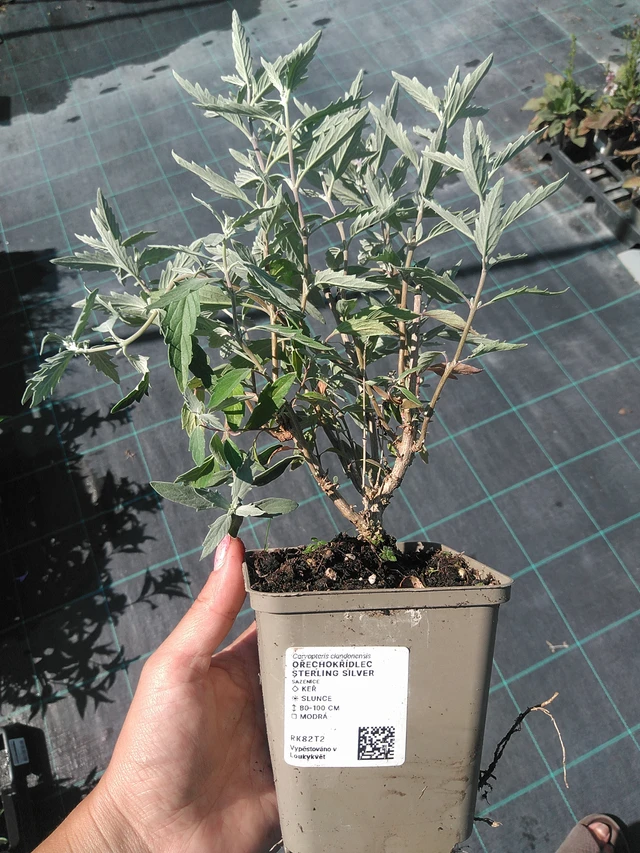
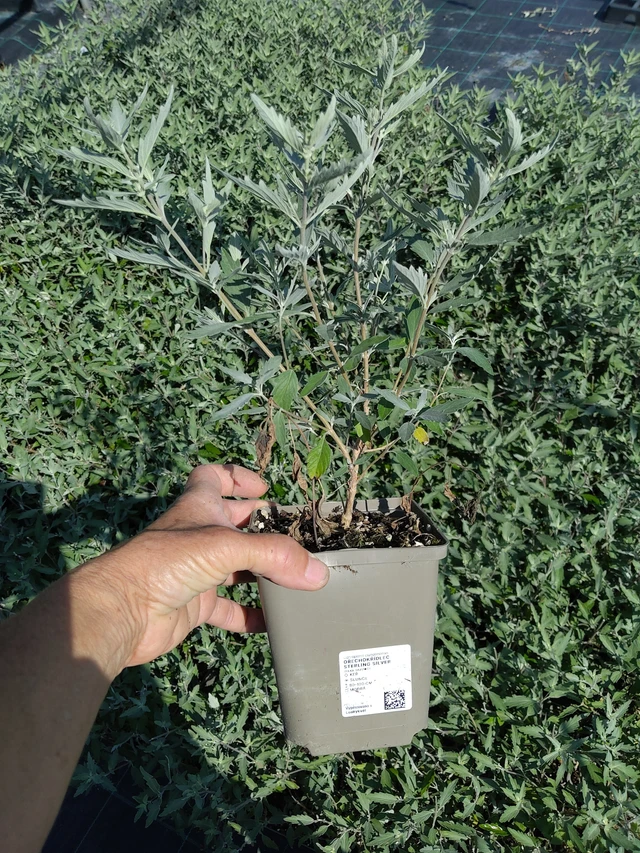
Photos in time
See how the seedling looks over the course of a year.



More products in category Caryopteris

Caryopteris clandonensis
Bluebeard Heavenly Blue
Caryopteris clandonensis
Bluebeard Kew Blue

Caryopteris clandonensis
Bluebeard Stephi

Caryopteris incana
Bluebeard Pagoda Dark Pink

Caryopteris clandonensis
Bluebeard Dark Knight

Caryopteris incana
Bluebeard Pagoda Ocean

Caryopteris incana
Bluebeard Pagoda Blush

Caryopteris clandonensis
Bluebeard Hint of Gold

Caryopteris incana
Bluebeard Pagoda Lagoon
More products in category Perennials
Alchemilla mollis
Lady's mantle Irish Silk
Achillea millefolium
Yarrow Summer Pastels

Verbena bonariensis
Verbena

Salvia nemorosa
Woodland Sage Caradonna

Perovskia atriplicifolia
Russian Sage

Gaura lindheimeri
Gaura Siskiyou Pink

Echinacea purpurea
Coneflower Rubinstern

Echinacea pallida
Echinacea pallida

Eryngium planum
Sea Holly

Echinacea purpurea
Coneflower Magnus

Salvia nemorosa
Woodland Sage Ostfriesland

Calamintha nepeta
Calamint Blue Cloud

Rudbeckia fulgida
Rudbeckia Goldsturm
Calamintha nepeta ssp. nepeta
Calamint

Salvia nemorosa
Woodland Sage Amethyst

Gaura lindheimeri
Gaura Summer Breeze
Leucanthemum vulgare
Daisy Maikönigin
Achillea millefolium
Yarrow Terracotta

Perovskia atriplicifolia
Russian sage Little Spire
Salvia nemorosa


