Ireland
🌷 Pre-orders for bulbs are in full swing! Check out this year's selection. 🌷
Ireland
🌷 Pre-orders for bulbs are in full swing! Check out this year's selection. 🌷
Creeping bugleweed, Loukykvět

Ajuga reptans

Creeping bugleweed

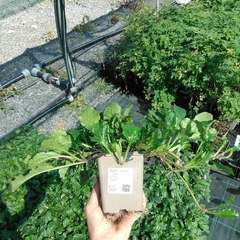
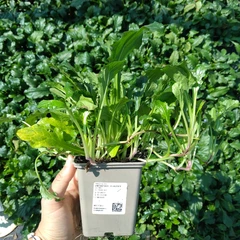
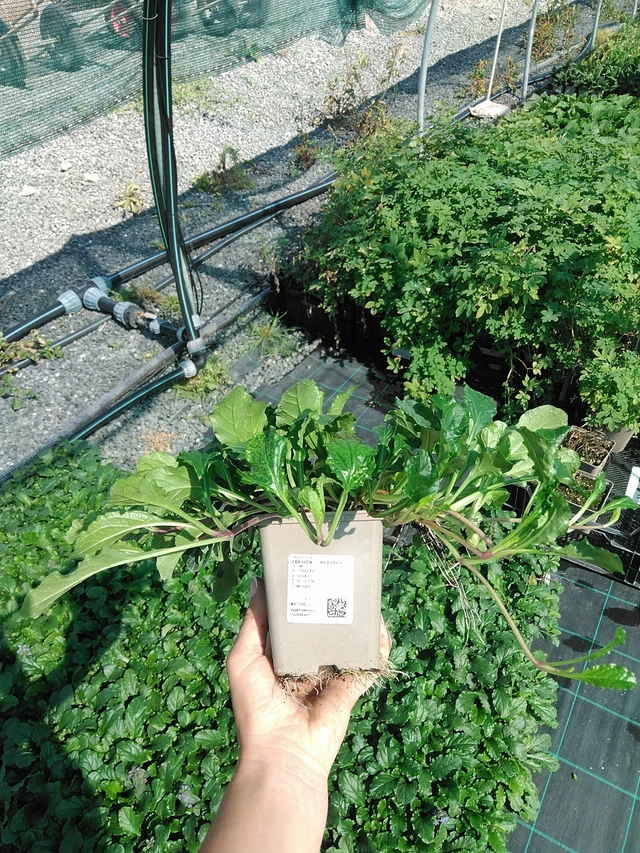
Creeping bugleweed is the unappreciated hero of shady and semi-shady corners of the garden, where it forms dense and closed carpets. Originally a woodland plant, it occurs naturally in moist forests and meadows across Europe, making it an exceptionally hardy and adaptable perennial. Its main advantage is the ability to spread quickly using creeping runners, thereby suppressing weed growth without being aggressive toward larger plants. In May and June, racemes of blue-purple flowers rise above the rosettes of often bronze or purple-tinged leaves, literally magnetizing bees and bumblebees searching for nectar. Although it is not suitable for cutting, it fulfills its function perfectly in the garden as a lawn alternative under trees or on slopes where ordinary grass fails to thrive. Thanks to its high frost resistance and low maintenance, it is an ideal choice even for beginner gardeners who want to liven up darker and damper parts of their property. Show full description

Seedling

Květináč K9 (9×9×9,5 cm)
Seedling
1-2 kusy
3,29/ks
3-8 kusů
2,99/ks
9-17 kusů
2,69/ks
18+ kusů
2,29/ks
Add to cart
Skladem 80 ks

Attracts pollinators 🐝

Ano

Difficulty

Beginner

Diseases

Disease-free 🙂

Edible

Ano
?
Information on whether the plant is edible.

Flower color

Blue, purple

Flower color: Shade

Blue-violet

Foliage color

Green, dark green, bronze, purple

Fragrant (aromatic) 👃

Ne

Frost resistance

-34 °C
?
The temperature down to which the plant is frost hardy.

Hardiness zone

3b (-37.2 °C to -34.4 °C)

Height

10-25 cm

Moisture

💧💧

Pests

Pest-free 🙂

Position

Sun, partial shade, shade

Soil

Loamy, humus-rich

Spacing

25-30 cm
?
Recommended planting spacing.

Spacing: Plants per m²

9-12

Species

Perennial

Suitable for cutting

Ne

Suitable for drying

Ne
1
2
3
4
5
6
7
8
9
10
11
12
Flowering
May
June

Recommended products

Bugleweed Catlin's Giant, Loukykvět
New

Ajuga reptans

Bugleweed Catlin's Giant is a true giant among groundcover perennials and an excellent choice for shady corners. The original botanical species is found in the undergrowth of deciduous forests and on damper meadows in Europe, so even in the garden it loves semi-shady locations with humus-rich and loamy soil that does not dry out. This cultivar stands out with unusually large, glossy leaves in bronze to burgundy-brown shades, which reliably cover the area and give weeds no chance. From April to June, striking blue-purple inflorescences up to 30 cm tall bloom above the dark leaves, serving as a valuable source of nectar for bees and other pollinators. Although it is not suitable for cutting into a vase, it performs its function perfectly in the bed. It is fully frost-resistant and requires almost no care, making it an ideal plant even for beginner gardeners who want to quickly green up empty spaces under trees or shrubs.
3,29
More from 2,29
In Stock posledních 76 kusů
Woodland Sage Amethyst, Loukykvět

Salvia nemorosa

This species of sage originates from the steppe regions of Central and Eastern Europe. It forms profusely flowering small clumps with straight, upright stems. In flower beds, it looks best in groups. It is traditionally planted as a companion to roses due to the matching flowering time. However, it looks equally good in mixed drought-tolerant steppe plantings with grasses. It is an excellent food source for bees. Lasts 7 days in a vase. Amethyst is an elegant variety with long stems and a pink flower color that is unusual for sages.
2,99
More from 2,09
In Stock
Smooth Hydrangea Annabelle, Loukykvět

Hydrangea arborescens

A dense hemispherical shrub with smooth fresh green leaves that are lighter on the underside. Flowers in convex to hemispherical inflorescences with a diameter of 15–30 cm gradually change color from pale green and cream to pure white.
4,29
More from 3,89
In Stock
Bloody Cranesbill Elsbeth, Loukykvět

Geranium sanguineum

Bloody cranesbill is a vigorous and undemanding perennial suitable for sunny spots. In addition to the flowers, the finely divided leaves have ornamental value, coloring up spectacularly in autumn. Elsbeth stands out with deep purple-pink flowers and red autumn foliage in sunny locations.
3,49
More from 2,39
In Stock
Japanese Anemone Königin Charlotte, Loukykvět

Anemone hybrida

Anemones come from the same family as buttercups. With their elegant flowers on long slender stems, they can enliven and brighten up late summer and autumn flowerbeds. They stand out against the darker background of shrub groups and will also appreciate their partial shade. The Czech Perennial Association chose autumn anemones as the perennial of the season for 2022. They last 7 days in a vase. Königin Charlotte is a massive taller variety bred as early as 1898. It has strong, firm stems and semi-double large violet-pink flowers. The outer sides of the silky smooth petals are colored violet.
4,79
More from 3,59
In Stock
Meadowsweet Kahome, Loukykvět

Filipendula hybridum

Fluffy deep pink clouds of flowers are the main distinguishing feature of this meadowsweet. The 'Kahome' cultivar is a compact perennial reaching a height of around 40 to 50 centimeters, making it a great addition to the foreground of damper flowerbeds. The entire plant, including the dark green leaves, smells pleasant, and the flowers also spread an irresistible honey aroma around them. It is a rewarding and low-maintenance plant suitable even for beginners, you just need to keep in mind that it requires plenty of moisture for its happy growth. It is perfectly suited for waterlogged parts of gardens and the edges of ponds, where it naturally thrives. You can also use the inflorescences in summer bouquets; they will stay fresh in a vase for about seven days.
3,89
More from 2,89
In Stock
Aster novi-belgii Fellowship, Loukykvět

Aster novi-belgii

It originates from the northeastern USA and southern Canada, where it grows in damp areas, scrublands, and on coasts. It crosses very willingly with other aster species, resulting in an inexhaustible number of varieties. Unlike New England asters, they do not close their flowers at night or during unfavorable weather, making them perfect for cutting into vases. We must keep in mind their susceptibility to mildew, which can be prevented by choosing a suitable location. They last 7 to 10 days in a vase. Fellowship is large-flowered, profusely blooming, and of taller growth. The pink-colored flowers with yellow centers have a diameter of up to 3 cm.
2,99
More from 2,89
Unavailable
Pro rok 2026 nedostupné
Phlox Sweet Summer Ocean, Loukykvět

Phlox paniculata

Phlox is originally a perennial native to North America. It soon achieved great popularity in European gardens and has been systematically bred since the 19th century. It is a classic perennial for cutting into bouquets, where, in addition to colorful flowers, it also delights with a gentle fragrance. We harvest as soon as roughly half the flowers in the inflorescence have bloomed; then they last up to 10 days in a vase. Despite efforts to breed the most resistant cultivars, it remains true that Phlox reacts extremely sensitively to climate and soil conditions, so we carefully pay attention to the correct choice of site. The Sweet Summer series includes cultivars bred for greater resistance to fungal diseases. Sweet Summer Ocean is a very special cultivar introduced to the market in 2012. It is characterized by the color variability of flowers during the day. In cool mornings, the flowers are blue; as temperatures rise, they fade, and by noon they transition to purple-pink.
3,49
More from 2,89
Unavailable
Pro rok 2026 nedostupné
Yarrow Summer Pastels, Loukykvět

Achillea millefolium

An original wild perennial with a large distribution area from Europe to Siberia. Suitable for natural and wild plantings. It grows in meadows and dry grassy places. A very adaptable and undemanding plant, it grows in clumps and spreads by runners. By cutting back after the first flowering, we encourage a set of new flowers. For bouquets, we harvest when the florets are fully open. It lasts 10 days in a vase. Summer Pastels is characterized by a changeable and soft range of colors from white and vanilla to salmon, brick red, and bronze.
3,09
More from 1,99
In Stock
Liatris Floristan Violett, Loukykvět

Liatris spicata

An interesting tuberous perennial with flowers blooming from the top down, that is exactly the popular dense blazing star. Precisely because of this rare peculiarity, where its long inflorescences bloom unconventionally from the tip downwards, it earned its fitting alternative Czech name "shorakvět" (top-flower). Its roots reach the sunny prairies and grassy meadows of North America, which is why it thrives most in direct sun in our gardens too. It does best long-term in well-drained, loamy, and humous soil, where it is provided with regular watering. The 'Floristan Violett' variety will brighten any space with a striking dark purple color. Its unusually shaped flowers appear gradually from July to September and confidently attract an abundance of beneficial bees, bumblebees, and butterflies to the garden. We will deliver a grown seedling straight to you in a pot, which is fully ready for immediate planting. Blazing star grows to a height of sixty to ninety centimeters, and its sturdy stems with narrow green leaves stand perfectly straight even without artificial support. It is a completely low-maintenance plant, so even complete beginner gardeners will easily handle growing it. It easily tolerates extreme frosts well below minus thirty degrees and naturally avoids all diseases. You should only be on the lookout if you have field voles in the garden, which may be attracted to its swollen tubers. In perennial beds, it forms beautiful vertical lines and, in a suitable place, willingly self-seeds into the surroundings. Floristically, it is an immensely valuable and rewarding species for any occasion. The dark purple spikes apply excellently in fresh summer bouquets, where they reliably function as a striking structural element. If you prefer dried arrangements, simply cut the blazing star and dry it; it perfectly retains its shape and rich color. But you definitely don't have to harvest everything for the vase. The dry stems left in the beds create a very eye-catching winter effect and give the resting garden a completely new and interesting dimension over the winter.
2,99
More from 2,09
Coming Soon
Astilbe Peach Blossom, Loukykvět

Astilbe japonica

Delicate, decorative, long-lived shade-loving perennials with pinnate leaves and magnificent feathery inflorescences. They originate primarily from East Asia, but also from eastern North America. They look best in mass plantings. Due to relatively late sprouting, it is good to combine them with early-flowering bulbs. Lasts 4–10 days in a vase. Harvest as soon as half of the inflorescence is in bloom. They are very sensitive to ethylene released from ripening fruit. Peach Blossom has soft pink flowers.
3,89
More from 2,89
In Stock
Panicle Hydrangea Phantom, Loukykvět

Hydrangea paniculata

Panicle hydrangeas are beautiful shrubs originally from China and Japan, where their bark was used, among other things, to make paper. We grow them for their impressive cone-shaped inflorescences. They are undemanding and abundantly flowering plants suitable for planting in flower beds and large containers. The cultivar Phantom is an airily built shrub. The cone-shaped inflorescences keep their creamy white color throughout the flowering period, turning light pink only at the very end.
4,29
More from 3,89
Unavailable
Pro rok 2026 nedostupné
Geranium Rozanne, Loukykvět
New

Geranium hybrida

A unique cultivar of hardy geranium. An exceptionally long flowering period from May to November. The flowers are violet-blue. Suitable for beds and containers. If growth becomes too vigorous, it can be cut back; it will soon regrow and bloom profusely again. It is frost-hardy, yet it is good to protect it in winter with a light covering of brushwood.
4,79
More from 3,59
In Stock
Woodland Sage Caradonna, Loukykvět

Salvia nemorosa

This species of sage originally comes from the steppe regions of Central and Eastern Europe. It forms profusely flowering small clumps with straight upright stems. In flower beds, it looks best in groups. Traditionally, due to the identical flowering time, it is planted as a companion to roses. However, it will look just as good in mixed drought-loving steppe plantings with grasses. It lasts 7 days in a vase. The cultivar Caradonna stands out with a long flowering period and dark, almost black-purple stems with tiny purple flowers and dark purple bracts. If we cut it back after flowering, it will bloom again in late August and September.
2,99
More from 2,09
In Stock s doručením od 31. 8. 2026
Panicle Hydrangea Silver Dollar, Loukykvět

Hydrangea paniculata

Panicle hydrangeas are beautiful shrubs originating from China and Japan, where their bark was used, among other things, to make paper. We grow them for their impressive conical inflorescences. They are undemanding and richly flowering plants suitable for planting in beds and larger containers. The large inflorescences of the Silver Dollar cultivar gradually change color from fresh green to white. In autumn, they turn only subtly pink.
3,89
More from 2,89
In Stock
Delphinium Magic Fountains Dark Blue (Dark Bee), Loukykvět

Delphinium elatum

Larkspurs are a classic and at the same time a dominant feature among bedding perennials. We often see them in the company of roses and peonies. To stand out well, they need to be treated to enough space and not forgotten regarding fertilization. We can enjoy their beauty in flower beds, bouquets, and even try drying; the flowers retain their rich color well. They last 7 days in a vase; they are sensitive to ethylene released from ripening fruit.
3,79
More from 2,69
In Stock
Lady's mantle Irish Silk, Loukykvět

Alchemilla mollis

Alchemilla mollis, known as lady's mantle, is an indispensable perennial for anyone who wants to bring harmony and softness to the garden. Its home is the moister environments of mountain meadows and light forests, making it a very adaptable plant that will survive even severe frosts without problems in our climate. The 'Irish Silk' cultivar is prized for its vitality and abundant blooming, where clouds of tiny, yellow-green flowers float above clumps of gray-green leaves. It is precisely this neutral color that can work wonders in a flower bed – it softens overly sharp contrasts between other flowers and beautifully unifies the entire composition. Besides its ornamental function, lady's mantle also has practical uses. Thanks to its clumping growth and ability to quickly fill in, it is ideal for edging pathways or as an underplanting beneath taller shrubs and roses. Water droplets catch on its leaves, creating a magical spectacle in the garden. If you enjoy making bouquets, you will love lady's mantle as versatile filler greenery that matches almost anything. It will last beautiful for about ten days in a vase, and its inflorescences can also be easily dried without losing too much of their color or shape. Moreover, it is a magnet for pollinators, and its young leaves are even edible, so it also finds use in a natural kitchen.
2,99
More from 2,09
In Stock s doručením od 31. 8. 2026
Aster Pink Star, Loukykvět

Aster pringlei

Forms a delicate, airy bush. Compared to Aster ericoides, the flowers are less numerous, placed singly at the ends of branch tips, which gives the plant an airy effect. The plant has a very delicate appearance. It is beautiful in combination with other late asters and ornamental grasses. Healthy and long-blooming, the pink flower is slightly larger than that of Aster ericoides. Lasts 7 to 10 days in a vase.
2,99
More from 2,09
In Stock
Russian Sage, Loukykvět

Perovskia atriplicifolia

Russian sage reliably brings a touch of sunny steppes into the garden and places almost no demands on care. These sparsely branched subshrubs originally come from harsh, rocky areas from Afghanistan to Tibet, where they grow on open sun-drenched plains. Thanks to its origin, it delights in full sun and poor, well-drained sandy soil with minimal moisture. You will receive from us a well-rooted seedling in a pot, which just needs to be transplanted straight to the chosen spot in the flower bed. It does not need support, is avoided by common pests and diseases, and will survive frosts down to minus twenty-eight degrees. It grows up to one hundred and twenty centimeters and forms striking white felted shoots with silvery grey aromatic leaves. From July to October, it blooms with tiny blue-purple flowers that act as a lure for bees and butterflies and are even edible. Russian sage stands out next to drought-tolerant perennials. The flowers are suitable for cutting and drying for winter arrangements. Moreover, the silvery stems will ensure a beautiful winter effect in the flower bed.
2,99
More from 2,09
Coming Soon
Lavender Hidcote, Loukykvět

Lavandula angustifolia

Lavender is a necessity for every sunny herb garden. We classify them as subshrubs, and they are valuable for gardens due to their winter habit. They add not only color and structure to flower beds but also an unmistakable scent. They will look good with lower drought-loving grasses and perennials. A compact cultivar with a dark flower.
4,29
More from 3,89
In Stock s doručením od 7. 9. 2026
Bleeding Heart, Loukykvět

Dicentra spectabilis

The original home of bleeding hearts is Korea and China, where they grow in light deciduous forests. They are classic garden perennials. They will look perfect in nostalgically styled flower beds; the white variant fits well even into naturalistic woodland gardens. They are popular for their heart-shaped flowers hanging on horizontal or arching stems. These weaken and die back some time after flowering; all the plant's energy then concentrates in the roots, and at that moment, we can cut the above-ground part back completely. For the rest of the year, we won't even know the bleeding heart is in the garden. It will remind us of its charm again in the spring. Perfect vase life, at least 7 days. Harvest when the first 3–4 flowers open on the stem. The basic species has pink-white flowers. In spring, the sprouting shoots have a pink tinge.
3,89
More from 2,89
In Stock
Siberian Bugloss, Loukykvět

Brunnera sibirica

Siberian bugloss is a hardy perennial that is unfazed even by the shady corners of the garden where other plants fail to thrive. It earned its name thanks to its tiny blue flowers, which are very similar to classic forget-me-nots and bloom in April and May. Unlike its more famous relative, the largeleaf bugloss, this species spreads a bit more vigorously and forms dense stands. Thanks to its underground rhizomes, it works as a great groundcover plant that reliably suppresses weeds under trees or shrubs. Once the plant finishes blooming, all its energy moves into the large, deep green heart-shaped leaves, which quickly grow to their final size. It is an ideal choice for beginners because it handles heavier clay soils excellently and tolerates short-term drought. Furthermore, the flowers are suitable for cutting into spring tied bouquets, where they look very tender and add lightness to the arrangement.
2,99
More from 2,09
In Stock posledních 58 kusů
Sedum Brilliant, Loukykvět

Sedum spectabile

A very hardy and long-lived perennial with an almost year-round effect. It forms upright clumps, and the flowers attract bees and butterflies. The cultivar Brilliant is characterized by shrubby growth and a distinct pink color.
2,99
More from 2,89
In Stock
Tufted Hairgrass Goldschleier, Loukykvět

Deschampsia cespitosa

Tufted hairgrass is an undemanding native grass that remains green even in winter. In nature, it grows in meadows and forest clearings. It forms a compact tuft of leaves, from which grow fine, thin stems with transparent clouds of flowers. It adapts even to more difficult conditions, such as dry shade or compacted soil, and can handle waterlogging. Goldschleier has very tiny spikelets in light yellow panicles. The inflorescence forms a fluffy light yellow cloud above the tuft of leaves.
3,79
More from 2,69
In Stock
Coreopsis Moonbeam, Loukykvět

Coreopsis verticillata

If you are looking for a delicate and long-blooming plant for full sun, whorled tickseed is a great choice. The basic species originates from North America, and here it thrives best in a sunny spot and well-drained, rather drier loamy soil. Although it is a short-lived perennial, with the right care and a well-chosen location, it can bring joy for several years. A distinctive feature of this species is its rich foliage of very tiny leaves, which form low, about forty-centimeter-tall bushes. After transplanting from the pot, the mature seedling is perfectly suited for the edges of flower beds or mixed drought-tolerant compositions, where it beautifully softens the overall look. In addition, the plant is fully frost-hardy, requires no special care, and is free from diseases. The 'Moonbeam' variety stands out with countless smaller, creamy-yellow flowers. These appear in mid-summer and continue to decorate the garden until early autumn, providing rich pasture for pollinators. You can easily cut the delicate stems with flowers to bring home. They will add an informal meadow touch to bouquets and will maintain their freshness in a vase for about seven days.
2,99
More from 2,09
In Stock
Sweet woodruff, Loukykvět
New

Galium odoratum

Sweet woodruff is a jewel of spring beech forests and an ideal choice for the shady corners of your garden. This low perennial naturally grows in moist and shady groves, where it forms continuous carpets of fresh green leaves. Thanks to its low maintenance and ability to spread quickly, it acts as a perfect groundcover plant that effectively suppresses weeds and retains moisture in the soil under the canopies of trees or shrubs. In May and June, the cover lights up with a flood of tiny, pure white flowers that bring light and softness to darker corners. In addition to its ornamental function, woodruff is valued for its unmistakable aroma. It contains coumarin, a substance reminiscent of the smell of freshly cut hay with notes of vanilla, which fully develops only when the plant wilts. It is therefore traditionally used to flavor spring drinks, such as May wine, or to season desserts. The plant is fully frost-resistant and cultivation is easy even for beginners; just provide it with humus-rich, loose soil and plenty of moisture.
3,29
More from 2,29
In Stock
Baby's Breath Snowflake, Loukykvět
For drying

Gypsophila paniculata

Baby's breath Snowflake is an absolute classic that should not be missing in any traditional or modern garden. This perennial plant originally comes from the sandy steppes and sunny slopes of southern Europe and Central Asia, which predestines it to love full sun and well-drained, even sandy soil. It has been grown in botanical gardens since the eighteenth century, and thanks to its low maintenance, it quickly found its way into private gardens as well. It forms rich, airy clumps that look like white clouds when in bloom and bring a unique lightness to flower beds. The Snowflake variety stands out with a flood of pure white, mostly double flowers that appear from June to August. It is an ideal plant for modern steppe plantings, where it perfectly complements ornamental grasses and drought-tolerant perennials, but it is also traditionally planted as a delicate companion to roses. For florists, baby's breath is indispensable. It is excellent for cutting into fresh bouquets, where it adds volume and softens the overall impression, and it can just as well be dried for winter decorations. The plant is frost-hardy and long-lived, so it will bring you joy in the garden for many years.
3,09
More from 2,19
Coming Soon
Barren strawberry, Loukykvět
New

Waldsteinia ternata

Barren strawberry is the perfect solution for places in the garden where neither lawn nor other sun-loving plants thrive. This tough perennial originates from the forest undergrowth of the temperate zone from Europe to Siberia, and therefore feels right at home in shade and partial shade. It is valued primarily for its glossy, dark green leaves resembling strawberry foliage, which remain on the plant over the winter, thus creating an attractive, dense carpet all year round. Thanks to its ability to spread quickly, it acts as a reliable groundcover plant that effectively suppresses weed growth and retains moisture in the soil. During April and May, the dark greenery lights up with an abundance of tiny, golden-yellow flowers. Although barren strawberry is not intended for cutting into a vase or for drying, its ornamental value directly in the bed is irreplaceable. Additionally, the flowers attract bees and other beneficial insects. It is an extremely low-maintenance and long-lived plant that does not suffer from diseases or pests and handles frosts down to -34 °C. Just provide it with humus-rich, well-draining soil and occasional watering, and you will gain a maintenance-free decoration for shady corners, slopes, or undergrowth beneath trees.
3,29
More from 2,29
In Stock
Clematis Mrs R. Brydon, Loukykvět

Clematis heracleifolia

Clematis 'Mrs R. Brydon' is an unusual and very resilient perennial that brings softness and color to the garden just as summer transitions into autumn. The original species comes from the shrubby and forest edges of East Asia, which is why a location in the sun or partial shade suits it well here too. It will thrive in loamy and humus-rich soil with regular watering. An interesting feature of this clematis is its variable growth. If you provide it with support in the form of a fence or trellis, it will willingly climb up to a height of two and a half meters. However, if you leave it to grow freely without support, it grows like a carpet and forms a dense shrub. You will receive a grown seedling in a pot from us, which you can simply transplant straight into the garden. Care is easy, it doesn't suffer from diseases or pests, and even beginners can easily manage it. During August and September, it gets covered in an abundance of flowers in a gorgeous lavender-blue shade, which react to the ambient temperature and can interestingly fade or darken. The flowers reliably attract bees and are suitable for cutting into bouquets. When handling, remember that the plant is poisonous.
3,89
More from 2,89
In Stock posledních 45 kusů
Mullein Dark Eyes, Loukykvět
New

Verbascum hybrida

Mullein Dark Eyes is a charming perennial that brings the softness of pastel tones to your garden. Native mullein species originate from dry and sunny regions, where they naturally grow on poor and stony soils. Thanks to this origin, this garden beauty is exceptionally low-maintenance and copes perfectly in well-draining, sandy soil with minimal moisture. It forms compact rosettes of gray-green leaves, from which sturdy stems grow from May to July, reaching a height of around thirty to forty centimeters. In the garden, this short-lived perennial is excellent for steppe beds, gravel gardens, or mixed plantings with drought-tolerant grasses. It also enlivens its surroundings by being a great attraction for bees, bumblebees, and other beneficial pollinators. The Dark Eyes cultivar catches the eye at first glance with an unusual color combination. Its flowers glow with creamy and pastel yellow shades, hiding a striking dark eye in their center. It is perfectly suited for cutting, so you can bring a piece of summer mood home into a vase. On the other hand, it is not suitable for drying into permanent arrangements; they offer the most beauty when fresh. A small and pleasant surprise is the fact that the flowers are edible, so you can use them to decorate summer salads or sweet desserts in an unconventional and very effective way. You will receive a strong and vital seedling, which you simply transplant to a sunny location. The reward will be persistent flowering and the joy of growing without unnecessary worries.
4,29
More from 3,19
In Stock posledních 55 kusů

Cultivation

Zběhovec plazivý je vynikající volbou pro každého, kdo potřebuje rychle a efektivně zakrýt holá místa v zahradě, a to i tam, kde jiné rostliny selhávají. Sazenice, které obdržíte, jsou již připravené k okamžité výsadbě a díky své vitalitě se velmi rychle ujímají. Pro úspěšný růst vyberte stanoviště v polostínu nebo stínu, kde se přirozeně drží více vláhy. Zběhovec snese i slunné místo, ale pouze za předpokladu, že půda nebude vysychat – na přímém úpalu by se bez dostatečné zálivky trápil. Půda by měla být ideálně hlinitá a bohatá na humus, což zajistí dostatek živin pro bujný růst listů i květů. Při výsadbě dodržujte doporučený spon 25 až 30 cm (přibližně 9 až 12 rostlin na metr čtvereční), aby se jednotlivé růžice mohly postupně propojit a vytvořit onen kýžený souvislý koberec, který nedá šanci plevelům.

Péče o zběhovec je nenáročná a zvládne ji i naprostý začátečník. Klíčová je především pravidelná zálivka, a to zejména v prvním roce po výsadbě a během horkých letních dnů. Rostlina má ráda vlhčí prostředí, takže pokud pěstujete na slunci, zálivku zintenzivněte. Co se týče výživy, na jaře můžete k rostlinám přihrnout trochu vyzrálého kompostu, což podpoří tvorbu nových výběžků. Velkou výhodou této trvalky je její vysoká odolnost vůči mrazu (až do -34 °C), takže nevyžaduje žádnou speciální zimní ochranu ani zakrývání chvojím. Také vás potěší, že zběhovec netrpí na běžné choroby a škůdci se mu vyhýbají, takže se obejdete bez chemických postřiků. Po odkvětu v červnu můžete, ale nemusíte, ostříhat odkvetlá květenství; rostlina tím získá upravenější vzhled a vrhne sílu zpět do tvorby okrasných listů.

Pokud nemáte zahradu, zběhovec se dá velmi úspěšně pěstovat i v nádobách, truhlíčkách či závěsných koších. Díky svým plazivým výhonům bude z květináče efektně přepadávat a vytvoří zajímavou kaskádu barevných listů. Při pěstování v nádobě je však nutné hlídat vlhkost substrátu mnohem pečlivěji než ve volné půdě, protože kořenový bal má tendenci rychleji vysychat. Použijte kvalitní zahradnický substrát a na dno nádoby dejte drenážní vrstvu, aby kořeny nestály ve vodě. V nádobách se zběhovec skvěle kombinuje s jinými stínomilnými rostlinami, jako jsou například bohyšky nebo dlužichy, se kterými vytváří nádherné barevné kompozice.

The information given is based on our experience, please use it as a guide only. Times may vary depending on the season, climate, location, sowing and transplanting dates and possibly also the conditions in the greenhouse/greenhouse. We always recommend testing how the plant performs in your conditions. Please do not take this as a guarantee.

Show all

Click to view the full growing instructions.

Frequently
asked
questions

Množení

Pěstování

Stanoviště

Vlastnosti

Nemoci & škudci

Základní informace

Photos
in time

See how the seedling looks over the course of a year.
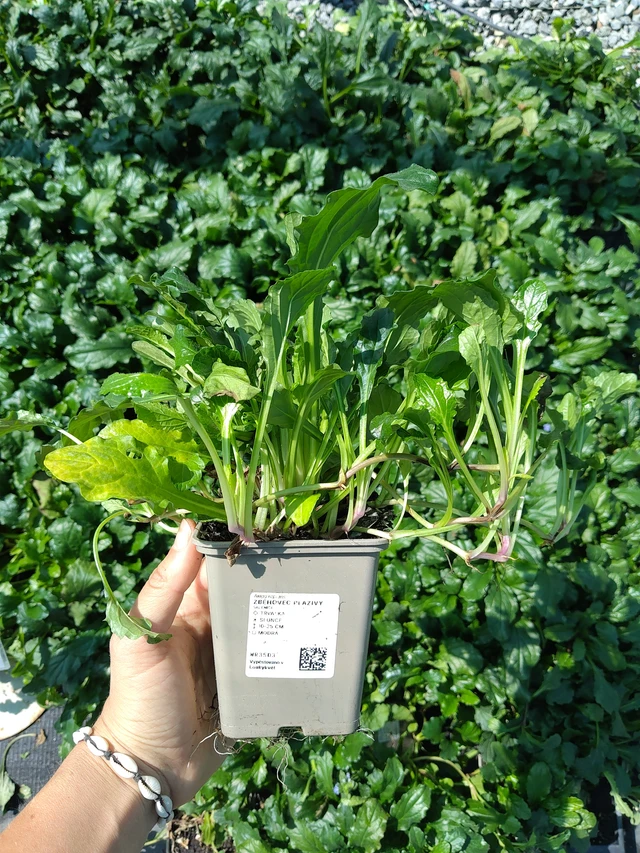
Creeping bugleweed - 13. 7. 2026
13. 7. 2026

More products in category Bugleweed

Bugleweed Rosea, Loukykvět
New

Ajuga reptans

Creeping bugleweed is a rewarding and undemanding perennial that inhabits moister deciduous forests and meadows across Europe in the wild. Thanks to its ability to spread quickly using above-ground runners, it creates dense carpets that effectively suppress weed growth and cover bare spots in the undergrowth of trees or shrubs. The Rosea cultivar differs from the original wild species with its delicate, light pink flower spikes, which appear from April to June. Even though it is not suitable for cutting into a vase, it will make a great show in the garden and serve as a valuable source of nectar for bees and bumblebees in the spring period. The plant is fully frost-resistant and its evergreen leaves decorate the bed even during winter, which you will appreciate during periods without snow cover.
3,29
More from 2,29
Unavailable
Pro rok 2026 nedostupné
Bugleweed Catlin's Giant, Loukykvět
New

Ajuga reptans

Bugleweed Catlin's Giant is a true giant among groundcover perennials and an excellent choice for shady corners. The original botanical species is found in the undergrowth of deciduous forests and on damper meadows in Europe, so even in the garden it loves semi-shady locations with humus-rich and loamy soil that does not dry out. This cultivar stands out with unusually large, glossy leaves in bronze to burgundy-brown shades, which reliably cover the area and give weeds no chance. From April to June, striking blue-purple inflorescences up to 30 cm tall bloom above the dark leaves, serving as a valuable source of nectar for bees and other pollinators. Although it is not suitable for cutting into a vase, it performs its function perfectly in the bed. It is fully frost-resistant and requires almost no care, making it an ideal plant even for beginner gardeners who want to quickly green up empty spaces under trees or shrubs.
3,29
More from 2,29
In Stock posledních 76 kusů

More products in category Perennials

Lady's mantle Irish Silk, Loukykvět

Alchemilla mollis

Alchemilla mollis, known as lady's mantle, is an indispensable perennial for anyone who wants to bring harmony and softness to the garden. Its home is the moister environments of mountain meadows and light forests, making it a very adaptable plant that will survive even severe frosts without problems in our climate. The 'Irish Silk' cultivar is prized for its vitality and abundant blooming, where clouds of tiny, yellow-green flowers float above clumps of gray-green leaves. It is precisely this neutral color that can work wonders in a flower bed – it softens overly sharp contrasts between other flowers and beautifully unifies the entire composition. Besides its ornamental function, lady's mantle also has practical uses. Thanks to its clumping growth and ability to quickly fill in, it is ideal for edging pathways or as an underplanting beneath taller shrubs and roses. Water droplets catch on its leaves, creating a magical spectacle in the garden. If you enjoy making bouquets, you will love lady's mantle as versatile filler greenery that matches almost anything. It will last beautiful for about ten days in a vase, and its inflorescences can also be easily dried without losing too much of their color or shape. Moreover, it is a magnet for pollinators, and its young leaves are even edible, so it also finds use in a natural kitchen.
2,99
More from 2,09
In Stock s doručením od 31. 8. 2026
Yarrow Summer Pastels, Loukykvět

Achillea millefolium

An original wild perennial with a large distribution area from Europe to Siberia. Suitable for natural and wild plantings. It grows in meadows and dry grassy places. A very adaptable and undemanding plant, it grows in clumps and spreads by runners. By cutting back after the first flowering, we encourage a set of new flowers. For bouquets, we harvest when the florets are fully open. It lasts 10 days in a vase. Summer Pastels is characterized by a changeable and soft range of colors from white and vanilla to salmon, brick red, and bronze.
3,09
More from 1,99
In Stock
Woodland Sage Caradonna, Loukykvět

Salvia nemorosa

This species of sage originally comes from the steppe regions of Central and Eastern Europe. It forms profusely flowering small clumps with straight upright stems. In flower beds, it looks best in groups. Traditionally, due to the identical flowering time, it is planted as a companion to roses. However, it will look just as good in mixed drought-loving steppe plantings with grasses. It lasts 7 days in a vase. The cultivar Caradonna stands out with a long flowering period and dark, almost black-purple stems with tiny purple flowers and dark purple bracts. If we cut it back after flowering, it will bloom again in late August and September.
2,99
More from 2,09
In Stock s doručením od 31. 8. 2026
Verbena, Loukykvět

Verbena bonariensis

A verbena species originally from South America. In our country, it is often used as an annual, but in mild winters it can overwinter and reproduce by self-seeding. The firm, airy stems beautifully soften perennial beds and make them special with their purple color. It beautifully complements steppe plantings with grasses and rose beds.
3,29
More from 2,29
In Stock posledních 84 kusů
Russian Sage, Loukykvět

Perovskia atriplicifolia

Russian sage reliably brings a touch of sunny steppes into the garden and places almost no demands on care. These sparsely branched subshrubs originally come from harsh, rocky areas from Afghanistan to Tibet, where they grow on open sun-drenched plains. Thanks to its origin, it delights in full sun and poor, well-drained sandy soil with minimal moisture. You will receive from us a well-rooted seedling in a pot, which just needs to be transplanted straight to the chosen spot in the flower bed. It does not need support, is avoided by common pests and diseases, and will survive frosts down to minus twenty-eight degrees. It grows up to one hundred and twenty centimeters and forms striking white felted shoots with silvery grey aromatic leaves. From July to October, it blooms with tiny blue-purple flowers that act as a lure for bees and butterflies and are even edible. Russian sage stands out next to drought-tolerant perennials. The flowers are suitable for cutting and drying for winter arrangements. Moreover, the silvery stems will ensure a beautiful winter effect in the flower bed.
2,99
More from 2,09
Coming Soon
Gaura Siskiyou Pink, Loukykvět

Gaura lindheimeri

Gaura Siskiyou Pink is a charming perennial that brings lightness and airiness to the garden. Its original native area is in the warm regions of Texas and Louisiana, which is why it thrives in full sun and well-drained sandy soil. It grows in clumps and from June until the autumn frosts produces tiny raspberry-pink flowers that resemble fluttering butterflies. An interesting detail of this variety is the green leaves with a bronze tint and red spots. It is an absolutely undemanding plant, does not suffer from diseases or pests, and even beginners can handle its care. You will receive a grown seedling in a pot from us, which you simply need to transplant directly into the flowerbed. Here it complements ornamental grasses perfectly and acts as an attraction for bees and bumblebees. Although it grows more as a short-lived perennial in our climate, in a suitable place it reliably self-seeds. Occasional pinching will encourage richer branching. Gaura is excellent for summer bouquets. We cut the stems for a vase as soon as the first two to three little flowers open.
2,99
More from 2,09
In Stock
Coneflower Magnus, Loukykvět

Echinacea purpurea

A valuable garden and medicinal perennial, native to North America. It blooms in summer with dark purple-pink flowers. The spiky flower centers are an irresistible attraction for butterflies. They last 7–10 days in a vase. After removing the petals, the stems with the central disks can be dried or used in fresh bouquets as an interesting element. Magnus features distinctive deep pink flowers with an orange-brown center.
2,99
More from 2,09
In Stock poslední 1 kus
Sea Holly, Loukykvět
For drying

Eryngium planum

Sea holly is an indispensable perennial for all lovers of naturally styled gardens. It earned its folk name - male fidelity - in times when it was used in herbal medicine as an aphrodisiac, and its roots were even candied as sweets in France and England. Today, however, you will appreciate it mainly for its low maintenance and unique appearance. Its home is on sunny hillsides and dry meadows, so even in our gardens, it will welcome well-drained, even poorer sandy soil and full sun. It produces upright, sturdy stems topped with blue-purple flowers with prickly bracts, which bring interesting structure and a silvery touch to the flowerbeds. It is literally a magnetic plant for bees, bumblebees, and butterflies, who find a rich food source on it. Floristically, it is extremely valuable, because its flowers are perfectly suited for cutting as well as drying for winter decorations. If you decide not to harvest it, feel free to leave it in the flowerbed all winter. Its silhouette covered in hoarfrost creates a wonderful winter effect. Although it is a short-lived perennial, in a suitable location it reliably self-seeds, so you will enjoy its beauty for many years.
2,79
More from 1,99
Coming Soon
Echinacea pallida, Loukykvět

Echinacea pallida

The pale coneflower is one of the exceptionally interesting prairie perennials of the North American continent. In its natural environment, it grows on open, sunny plains, which is why it thrives best in our gardens in full sun in drier, well-drained soil. You just need to transplant this grown seedling straight into the flower bed, where it will reliably take root. It does not need support, easily withstands severe frosts, and is avoided by common diseases and pests, making it ideal for beginner growers. During June and July, it will reward you with aromatic flowers with unusually narrow and drooping petals in light purple and pink tones. The prominent prickly centers are literally a magnet for bees and bumblebees, and the flowers themselves are surprisingly edible. The plant stands out especially in rustic plantings together with ornamental grasses. Gardeners and florists love it for its versatility. The fresh stems bring joy in a vase for about a week. Moreover, the distinctive central cones hold their shape perfectly, can be perfectly dried for winter decorations, or left in the flower bed, where they will create an eye-catching winter structure under a layer of snow.
2,99
More from 2,09
In Stock
Coneflower Rubinstern, Loukykvět

Echinacea purpurea

A valuable garden and medicinal perennial, originally from North America. It blooms in summer with dark purple-pink flowers. The spiky flower discs are an irresistible lure for butterflies. Lasts 7–10 days in a vase. After plucking the petals, the stems with the central discs can be dried or used in fresh bouquets as an interesting element. Rubinstern is very similar to the Magnus cultivar; the petals are darker and firmer. As they fade, they gradually pale and droop downwards.
2,99
More from 2,09
In Stock
Woodland Sage Amethyst, Loukykvět

Salvia nemorosa

This species of sage originates from the steppe regions of Central and Eastern Europe. It forms profusely flowering small clumps with straight, upright stems. In flower beds, it looks best in groups. It is traditionally planted as a companion to roses due to the matching flowering time. However, it looks equally good in mixed drought-tolerant steppe plantings with grasses. It is an excellent food source for bees. Lasts 7 days in a vase. Amethyst is an elegant variety with long stems and a pink flower color that is unusual for sages.
2,99
More from 2,09
In Stock
Rudbeckia Goldsturm, Loukykvět

Rudbeckia fulgida

Rudbeckia Goldsturm is a reliable and long-lived perennial that will bring the warm tones of late summer and autumn into your garden. It originally comes from the open plains and prairies of North America, so it delights most in sunny locations with common garden soil, whether it is loamy, humus-rich, or clayey. You will receive from us an already grown seedling in a pot, which you just need to transplant to the chosen spot in the flower bed. It is a completely undemanding plant, does not suffer from diseases or pests, and easily survives severe frosts. The Goldsturm cultivar grows to a height of about seventy centimeters and does not need support. From August to October, it produces a flood of golden-yellow flowers with distinctly dark centers. These edible flowers attract pollinators and fit perfectly into both prairie and rustic plantings. Rudbeckia is also great for cutting, lasting around ten days in a vase. In addition, the distinctive dark centers can be easily dried. If you leave them in the flower bed over the winter, they will provide a wonderful spectacle.
2,79
More from 1,99
In Stock
Gaura Summer Breeze, Loukykvět

Gaura lindheimeri

The charming gaura comes from the sun-drenched plains of Texas and Louisiana and represents exactly the plant that can liven up any drought-tolerant planting. It is a naturally profusely blooming perennial that delights in full sun and well-drained, sandy, and nutrient-poor soil. You will receive from us an already grown seedling in a pot, which will quickly form a vigorous clump after being transplanted into the garden. From early summer until late autumn, it will delight you with a flood of tiny flowers in pure white and delicate pink tones. The flowers gently sway in the breeze and with their appearance resemble a flock of tiny butterflies, which also really like to land on the plant, as do bees and bumblebees. Although gaura is known as a short-lived perennial, thanks to its willing self-seeding, it will last for many years in your garden. Caring for it is completely undemanding, it is avoided by most diseases and pests, and it can handle frosts down to eighteen degrees below zero without any problems. It is often used in mixed borders, where it beautifully softens the overall impression, and perfectly matches various types of ornamental grasses. The Summer Breeze variety is popular for its strong and healthy growth as well as its exceptionally generous set of flowers, which grow to about one meter. If you like to create your own bouquets, do not hesitate to cut gaura for a vase. Harvesting is best done the moment the first small flowers on the stem begin to open. These delicate flowers are not suitable for drying into dried arrangements, but they will beautifully lighten up fresh bouquets.
2,99
More from 2,09
In Stock s doručením od 17. 8. 2026
Woodland Sage Ostfriesland, Loukykvět

Salvia nemorosa

This species of sage originates from the steppe regions of Central and Eastern Europe. It forms abundantly flowering small clumps with straight upright stems. In beds, it looks best in groups. Traditionally, it is planted as a companion to roses due to the matching flowering time. However, it will look equally good in mixed drought-loving steppe plantings with grasses. It is an excellent food source for bees. It lasts 7 days in a vase. The cultivar Ostfriesland blooms with a strikingly dark violet-blue color.
2,99
More from 2,09
In Stock
Calamint Blue Cloud, Loukykvět

Calamintha nepeta

Lesser calamint Blue Cloud is an undemanding and modest perennial that reliably perfumes any sunny garden. Its original homeland is the sunny and dry slopes of Southern Europe, which is why it thrives best here in direct sun in well-drained, sandy, or poorer loamy soil. It handles winter without problems, tolerating frosts down to minus twenty-three degrees. You will receive a grown seedling in a pot from us, which you just need to transplant straight into the flowerbed, where it will very soon form a compact, airy small shrub reaching a height of up to forty centimeters. It does not suffer from any diseases or pests, so even complete beginners can easily handle caring for it. Throughout late summer and into autumn, it blooms with a record number of tiny blue flowers that are so typical of the Blue Cloud variety. The whole plant emits a pleasant minty-spicy scent, and its flowers, which resemble thyme, act as a literal magnet for bees, bumblebees, and butterflies. It will look great among roses or in naturally designed steppe flowerbeds, where it naturally complements lower ornamental grasses. Additionally, both the blue flowers and green leaves are edible, so you can use them to garnish summer dishes. Lesser calamint is also excellently suited for cutting into smaller fresh bouquets, adding a fine structure to them in a vase.
2,79
More from 1,99
In Stock s doručením od 31. 8. 2026
Daisy Maikönigin, Loukykvět

Leucanthemum vulgare

A classic perennial for early summer bouquets and cottage gardens. For bouquets, we harvest flowers with firm, smooth central disks. Then they last 7–10 days in a vase. Maikönigin is an exceptionally abundantly flowering garden form.
2,79
More from 1,99
In Stock
Calamint, Loukykvět

Calamintha nepeta ssp. nepeta

An undemanding and modest perennial that blooms with a large number of tiny flowers. It blooms for a record-breaking length of time throughout late summer and autumn. It forms smaller, compact, airy bushes that release a minty-spicy scent. The thyme-like flowers attract bees, bumblebees, and butterflies. It will look good among roses as well as in naturalistic steppe beds, perhaps with lower grasses. This calamint is generally more vigorous. It differs from other calamints with felted leaves by its record flowering length, stiff and shiny leaves, and also a larger number of flowers that do not form seeds and are therefore maximally durable. Sometimes sold under the cultivar name 'Triumphator'.
2,79
More from 1,99
In Stock
Yarrow Terracotta, Loukykvět

Achillea millefolium

A native wild perennial with a large distribution range from Europe to Siberia. Suitable for natural and wild plantings. It grows in meadows and dry grassy places. A very adaptable and undemanding plant, it grows in clumps and spreads via runners. Cutting back after the first bloom encourages a new set of flowers. Harvest for bouquets when the tiny flowers are fully open. It lasts 10 days in a vase. Terracotta features ochre, shades of orange and yellow, and gray-green foliage.
2,99
More from 2,89
In Stock
Russian sage Little Spire, Loukykvět

Perovskia atriplicifolia

Perovskia are sparsely branched subshrubs, originating from areas ranging from Afghanistan to Tibet. They grow in open, sunny, rocky, and stony habitats. Their white-felted shoots and grayish aromatic leaves are striking. They fit well in sunny flower beds with other drought-loving perennials, where they create interesting structures even in the winter months. Little Spire is a smaller cultivar suitable even for pots with a soil volume of 7 liters or more.
3,49
More from 3,59
In Stock
Woodland Sage Schneehügel, Loukykvět

Salvia nemorosa

This species of sage originates from the steppe regions of Central and Eastern Europe. It forms abundantly flowering small clumps with straight upright stems. In beds, it looks best in groups. Traditionally, it is planted as a companion to roses due to the matching flowering time. However, it will look equally good in mixed drought-loving steppe plantings with grasses. It is an excellent food source for bees. It lasts 7 days in a vase. Schneehügel blooms white.
2,99
More from 2,09
In Stock