
Aster amellus
Aster Dr. Otto Petschek
Seedling
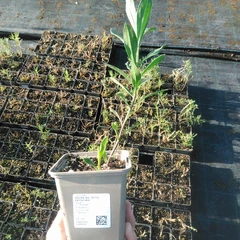
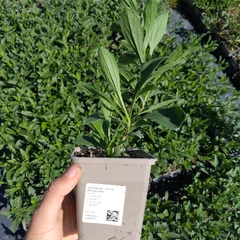
Attracts pollinators 🐝
Difficulty
Diseases
Edible
Flower color
Flower color: Shade
Foliage color
Fragrant (aromatic) 👃
Frost resistance
Hardiness zone
Height
Moisture
Pests
Position
Soil
Spacing
Spacing: Plants per m²
Species
Suitable for cutting
Suitable for drying
Recommended products

Calamintha nepeta ssp. nepeta
Calamint

Aster pringlei
Aster Pink Star

Calamintha nepeta
Calamint Blue Cloud

Sedum spectabile
Sedum Matrona

Anemone hybrida
Japanese Anemone Whirlwind

Nepeta racemosa
Catmint Superba

Nepeta faassenii
Catmint Six Hills Giant

Sedum spectabile
Sedum Brilliant

Echinacea purpurea
Coneflower Rubinstern

Hyssopus officinalis
Hyssop Roseus

Aster divaricatus
White wood aster Beth Chatto

Caryopteris clandonensis
Bluebeard Heavenly Blue

Alchemilla mollis
Lady's mantle Irish Silk

Nepeta racemosa
Catmint Walker’s Low

Lavandula intermedia
Lavender Grosso

Aster ericoides
Aster Pink Cloud

Salvia verticilata
Whorled Sage Purple Rain

Aster pringlei
Aster Monte Cassino

Rudbeckia subtomentosa
Rudbeckia Henry Eilers

Salvia nemorosa
Salvia Mainacht

Phlomis russeliana
Phlomis Russeliana

Rudbeckia fulgida
Rudbeckia Goldsturm

Solidaster hybride
Solidaster Lemore

Achillea millefolium
Yarrow Alabaster

Aster dumosus
Aster Azurro

Hyssopus officinalis
Hyssop

Agastache rugosa
Agastache

Geranium sanguineum
Bloody Cranesbill Apfelblüte

Coreopsis grandiflora
Coreopsis Christchurch

Rudbeckia fulgida var. speciosa
Rudbeckia Speciosa
Cultivation
The 'Dr. Otto Petschek' China aster will arrive as a beautifully grown, long-lived perennial seedling, whose enormous vitality and low-maintenance nature you will immediately appreciate. For the most successful cultivation and abundant flowering, choose the sunniest spot you have in the garden. The soil should ideally be loamy and completely permeable so that root rot from waterlogging does not occur, especially in the winter months. The perennial is great not only for a classic bed but is also a perfect choice for growing in spacious containers and window boxes on sunny terraces. In such a case, always use high-quality gardening substrate mixed with a little sand for even better drainage, and don't forget to pour a sufficient layer of expanded clay at the bottom of the pot. This will ensure prevention against standing water. After planting, water the seedling thoroughly. Plant the seedlings in the bed with a spacing of 35 to 40 centimeters. This optimal distance ensures that individual plants get enough daylight and prevents potential overcrowding of the clump. Even though this aster boasts excellent health and is completely free of diseases, correct spacing is always a key foundation for lush growth. Keep watering on the lighter side during the summer; the plant generally prefers drier conditions and does not like constant wetness. You can occasionally gently fertilize it during the growing season with common fertilizer for flowering perennials, but given its low requirements, this is not necessary. In the autumn, the plant blooms profusely and does not require staking, as it naturally grows to a height of 50 to 60 centimeters. During late summer and autumn, the blue-violet flowers attract a huge number of bees and butterflies, making the garden a full-fledged ecosystem. By the way, the flowers are edible and can be perfectly used for cutting into vases. Visually inspect the plant occasionally during the season, as aphids may appear, and in the spring, fresh shoots can attract slugs and snails. However, it is enough to collect them in time or use biological protection. You definitely don't have to worry about the coming winter; the plant easily tolerates the extreme frosts of zone 5a, which is well below -25 °C. The above-ground part will die off with the arrival of frosts, so leave it untouched on the bed until spring. Only cut the old stems completely just before the new spring shoots emerge.
The information given is based on our experience, please use it as a guide only. Times may vary depending on the season, climate, location, sowing and transplanting dates and possibly also the conditions in the greenhouse/greenhouse. We always recommend testing how the plant performs in your conditions. Please do not take this as a guarantee.
Frequently
asked
questions
Characteristics
Does this China aster attract pollinators and beneficial insects to the garden?
I have small children and a dog. Is the plant poisonous to them?
Does the plant have any aesthetic appeal even during a snowy winter?
Do I need to protect the plant from winter, or will it overwinter fine here?
Growing
How far apart should I plant the seedlings?
I am a complete beginner. Can I manage to grow this China aster and does it need any support?
Can I grow this seedling in a pot on the balcony, or does it belong exclusively in a flower bed?
Do the faded stems and flowers need to be cut back before winter?
How often and how much does Aster amellus need to be watered?
Harvest
Are the flowers suitable for cutting for a vase, or also for drying?
Troubleshooting
What can I do if slugs are eating my young plants in the flower bed?
Planting site
Where is the best place in the garden to plant this?
Interesting facts
Why is it stated that the plant is edible? How can I use it in the kitchen?
Propagation
Does this aster spread itself by seeds around the garden? How can I propagate it?
Diseases & pests
Is the aster susceptible to any fungal diseases or do pests attack it?
Photos
in time
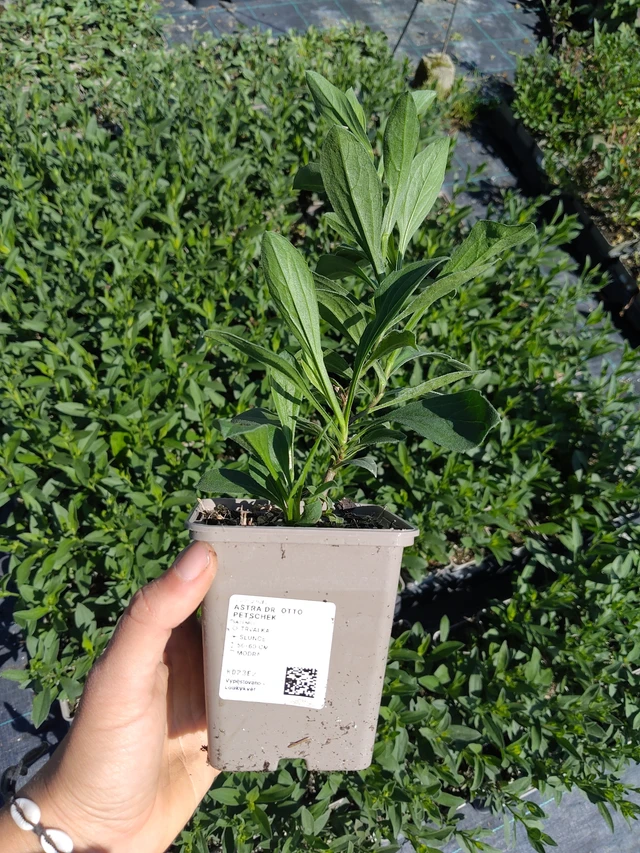
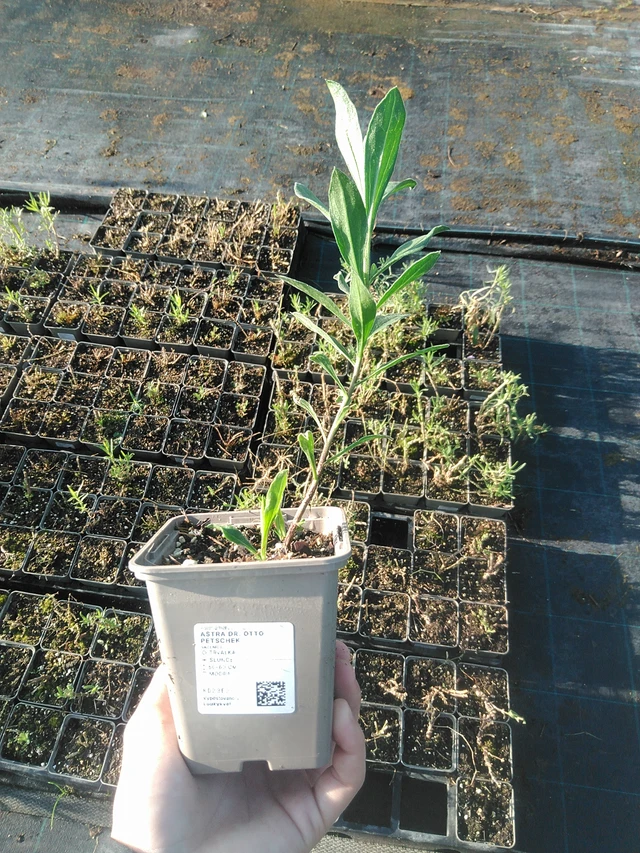
See how the seedling looks over the course of a year.
More products in category Aster

Aster novi-belgii
Aster novi-belgii Fellowship

Aster ericoides
Aster Lovely
Aster ericoides
Aster Pink Cloud

Kalimeris incisa
Japanese Aster Madiva
Aster pringlei
Aster Pink Star

Aster dumosus
Aster Professor A. Kippenberg

Aster novi-belgii
Aster White Ladies

Aster novi-belgii
Aster novi-belgii Marie Ballard
Aster pringlei
Aster Monte Cassino

Aster × hybridus
Aster Primavera

Aster divaricatus
White Wood Aster Eastern Star

Aster ageratoides
Aster ageratoides Starshine

Aster ericoides
Aster Schneetanne

Aster ericoides
Aster Blue Star

Aster lateriflorus
Aster Lady in Black

Aster ericoides
Aster Erlkönig

Aster novae-angliae
Aster Barr’s Pink

Aster x herveyi
Aster Twilight

Aster × hybridus
Aster Blanca

Aster novi-belgii
Aster novi-belgii Brigitte
More products in category Perennials
Alchemilla mollis
Lady's mantle Irish Silk

Achillea millefolium
Yarrow Summer Pastels

Salvia nemorosa
Woodland Sage Caradonna

Verbena bonariensis
Verbena

Perovskia atriplicifolia
Russian Sage

Gaura lindheimeri
Gaura Siskiyou Pink
Echinacea purpurea
Coneflower Rubinstern

Echinacea pallida
Echinacea pallida

Eryngium planum
Sea Holly

Echinacea purpurea
Coneflower Magnus

Salvia nemorosa
Woodland Sage Ostfriesland
Calamintha nepeta
Calamint Blue Cloud
Rudbeckia fulgida
Rudbeckia Goldsturm

Gaura lindheimeri
Gaura Summer Breeze

Salvia nemorosa
Woodland Sage Amethyst
Calamintha nepeta ssp. nepeta
Calamint

Leucanthemum vulgare
Daisy Maikönigin

Perovskia atriplicifolia
Russian sage Little Spire

Achillea millefolium
Yarrow Terracotta

Salvia nemorosa


