


Phlox amplifolia
Phlox Winnetou
Large seedling
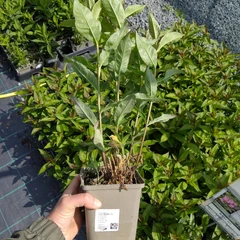
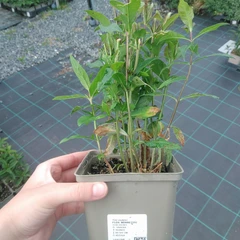

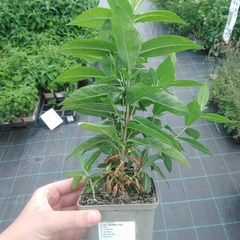
Seedling


Attracts pollinators 🐝
Difficulty
Diseases
Edible
Flower color
Flower color: Shade
Foliage color
Fragrant (aromatic) 👃
Frost resistance
Hardiness zone
Height
Moisture
Pests
Position
Soil
Spacing
Spacing: Plants per m²
Species
Suitable for cutting
Suitable for drying
Recommended products

Phlox paniculata
Phlox Franz Schubert

Phlox paniculata
Phlox Sweet Summer Sensation

Phlox paniculata
Phlox Sweet Summer Melody

Phlox paniculata
Phlox Sweet Summer Fragrance

Phlox amplifolia
Phlox Minnehaha

Phlox amplifolia
Phlox White Clouds

Phlox paniculata
Phlox Sternhimmel

Dicentra spectabilis
Bleeding Heart

Achillea millefolium
Yarrow Summer Pastels

Verbena bonariensis
Verbena

Delphinium hybrida
Larkspur Benary’s Pacific Black Knight

Aster novi-belgii
Aster novi-belgii Fellowship

Anemone hybrida
Japanese Anemone Serenade

Knautia macedonica
Knautia Red Knight

Delphinium elatum
Delphinium Magic Fountains Dark Blue (White Bee)

Nepeta racemosa
Catmint Walker’s Low

Centaurea montana
Mountain Cornflower

Achillea filipendulina
Yarrow Parkers Varietät

Achillea millefolium
Yarrow Cerise Queen

Salvia pratensis
Meadow Sage Rose Rhapsody

Achillea millefolium
Yarrow Terracotta

Hydrangea paniculata
Panicle Hydrangea Pink Diamond

Delphinium hybrida
Larkspur Benary’s Pacific Summer Skies

Delphinium hybrida
Larkspur Benary’s Pacific Blue Bird

Delphinium hybrida
Larkspur Benary’s Pacific Astolat

Helleborus orientalis
Hellebore Double Ellen Yellow Spotted

Phlox amplifolia
Phlox Great Smoky Mountains

Salvia nemorosa
Woodland Sage Ostfriesland

Achillea millefolium
Yarrow Lilac Beauty

Anemone hybrida
Japanese Anemone Andrea Atkinson
Cultivation
Growing Phlox Winnetou begins with choosing a suitable location, which is key to its long-lasting vitality and rich blooming. This variety, botanically classified under Phlox amplifolia, is exceptional in its ability to tolerate root competition, so it will thrive even near shrubs or trees, where other species would suffer. Ideal for it is a sunny place, or bright partial shade, where it will be protected from the fiercest midday heat. The soil should be loamy, deep, and rich in nutrients, with a high humus content. Although the plant requires well-drained soil, it is essential that the soil retains moisture well. Before planting the seedling, we recommend enriching the flower bed with mature compost, which will ensure the necessary nutrients for a start.
Given the robust growth, when the plant reaches a height of 90 to 120 cm, it is important to observe the recommended planting spacing of 60 cm (approximately 3 to 5 plants per square meter). This spacing is not without purpose; it ensures sufficient air circulation between the clumps, which is the best prevention against powdery mildew, a disease that often plagues phloxes in too dense plantings. Plant the seedlings so that the top part of the root ball is level with the surrounding terrain. Immediately after planting, water the plant thoroughly. If you decide to grow it in a container, choose a really large and deep pot with drainage holes, because in a confined space the plant will require more frequent watering and regular fertilizing so that the substrate never dries out completely.
Watering is crucial for this perennial, especially on hot summer days. Phlox Winnetou loves moisture and does not tolerate prolonged drought, which can lead to the loss of lower leaves and weakened blooming. Always water directly to the roots and avoid wetting the leaves, thereby significantly reducing the risk of fungal diseases. During vegetation, the plants will appreciate mulching with compost or bark, which will help retain moisture in the soil. Also, do not forget protection against slugs and snails, who like to feast on the young shoots especially in spring. Regular removal of faded inflorescences will support the formation of new buds and prolong the blooming season until early autumn.
This perennial is fully frost-hardy down to an extreme -34 °C (zone 4a), so it requires no special winter protection in our conditions. In the autumn or early spring, simply cut the dry stems just above the ground. The flowers are not only ornamental but also edible and fragrant, so you can use them to decorate summer desserts or in a vase, where they stay fresh for up to 10 days (harvest when half the flowers in the panicle are open). Thanks to its firm stems, it usually does not need support, unless planted in an extremely windy location. It is a long-lived plant that will last many years in one place and gradually grow into beauty.
The information given is based on our experience, please use it as a guide only. Times may vary depending on the season, climate, location, sowing and transplanting dates and possibly also the conditions in the greenhouse/greenhouse. We always recommend testing how the plant performs in your conditions. Please do not take this as a guarantee.
Photos in time
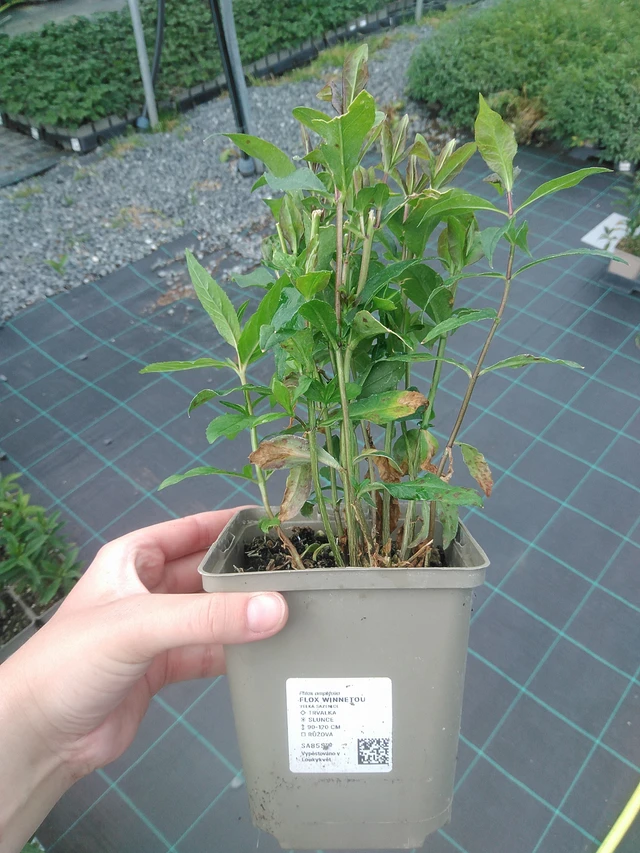
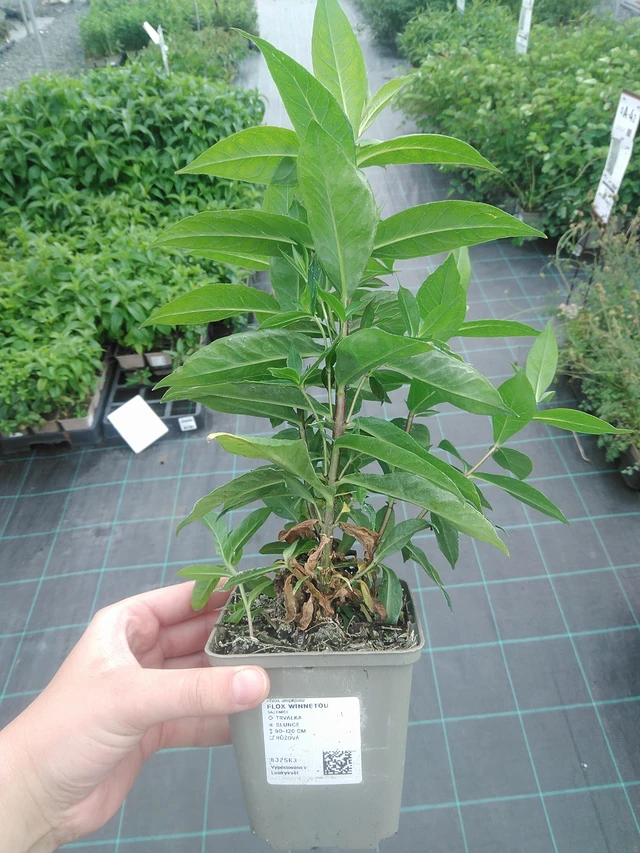
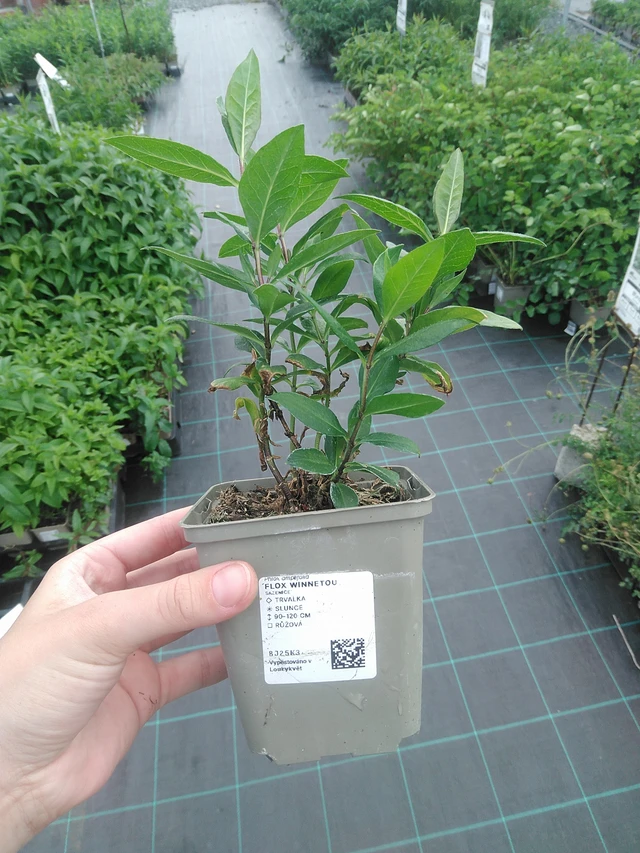
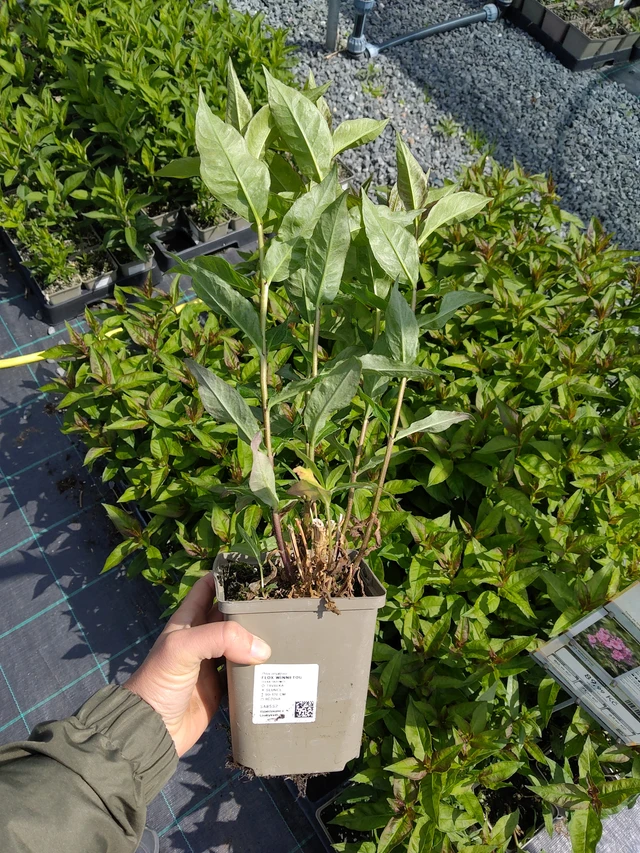
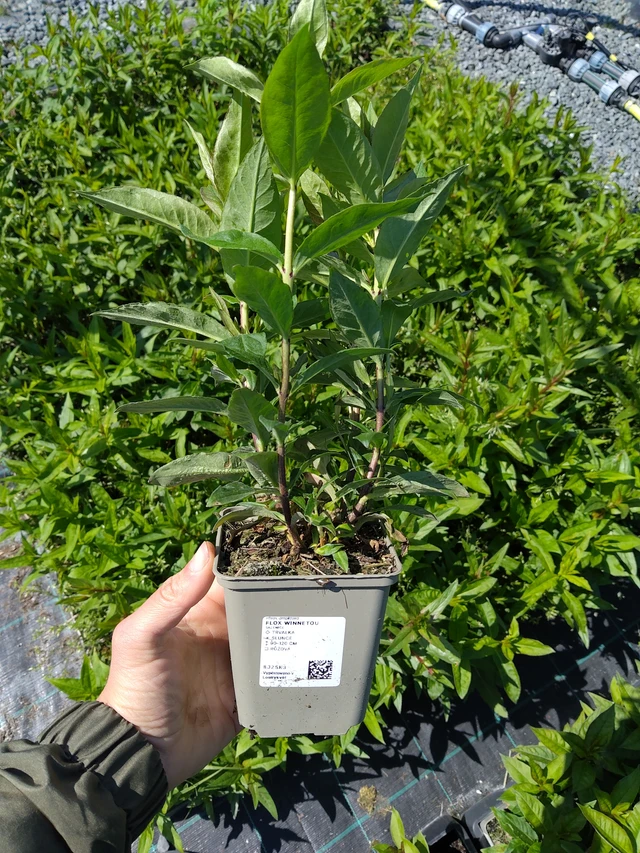
See how the seedling looks over the course of a year.




More products in category Phlox

Phlox paniculata
Phlox Sweet Summer Ocean

Phlox paniculata
Phlox Sweet Summer Dream

Phlox paniculata
Phlox Fujiyama
Phlox paniculata
Phlox Franz Schubert

Phlox paniculata
Phlox Nora Leight
Phlox paniculata
Phlox Sternhimmel
Phlox paniculata
Phlox Sweet Summer Sensation
Phlox amplifolia
Phlox White Clouds
Phlox paniculata
Phlox Sweet Summer Fragrance
Phlox paniculata
Phlox Sweet Summer Melody

Phlox paniculata
Phlox Sweet Summer Fantasy

Phlox paniculata
Phlox Duchess of York

Phlox paniculata
Phlox Sweet Summer Wine

Phlox paniculata
Phlox Sweet Summer Compact Purple Bicolor

Phlox paniculata
Phlox Sweet Summer Compact Rose Dark Eye

Phlox douglasii
Phlox Lilac Cloud

Phlox paniculata
Phlox Sweet Summer Compact White
Phlox amplifolia
Phlox Minnehaha

Phlox amplifolia
Phlox Waupee

Phlox amplifolia
Phlox Tecumseh
More products in category Perennials

Alchemilla mollis
Lady's mantle Irish Silk
Achillea millefolium
Yarrow Summer Pastels
Verbena bonariensis
Verbena

Salvia nemorosa
Woodland Sage Caradonna

Perovskia atriplicifolia
Russian Sage

Gaura lindheimeri
Gaura Siskiyou Pink

Echinacea purpurea
Coneflower Rubinstern

Echinacea pallida
Echinacea pallida

Eryngium planum
Sea Holly

Echinacea purpurea
Coneflower Magnus
Salvia nemorosa
Woodland Sage Ostfriesland

Calamintha nepeta
Calamint Blue Cloud

Rudbeckia fulgida
Rudbeckia Goldsturm

Calamintha nepeta ssp. nepeta
Calamint

Gaura lindheimeri
Gaura Summer Breeze

Salvia nemorosa
Woodland Sage Amethyst

Leucanthemum vulgare
Daisy Maikönigin
Achillea millefolium
Yarrow Terracotta

Perovskia atriplicifolia
Russian sage Little Spire

Salvia nemorosa


