Ireland
🟢 The e-shop for seedlings is open again. 🌱 I also have dahlia seedlings and eucalyptus. 🟢
Ireland
🟢 The e-shop for seedlings is open again. 🌱 I also have dahlia seedlings and eucalyptus. 🟢
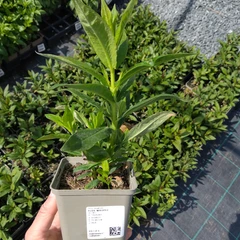
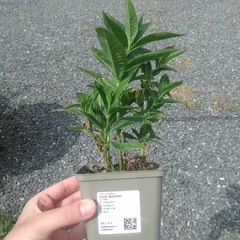
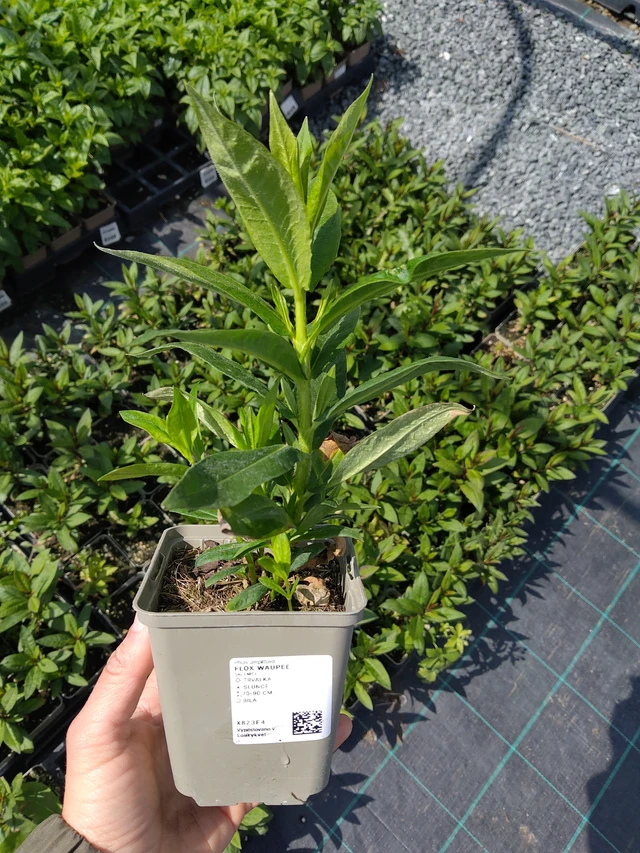
Phlox Waupee, Loukykvět

Phlox amplifolia

Phlox Waupee

Phlox Waupee will brighten up any perennial planting with its snow-white flowers and bring a touch of elegance to it even during dusk, when its flowers literally glow. This North American perennial has gained popularity for its vigorous growth and ability to thrive even in conditions that would trouble other phloxes. The Waupee cultivar is valued for its high resistance to fungal diseases and long blooming period, which lasts from July to August. In the garden, it forms rich clumps and combines perfectly with darker perennials, against whose background its white inflorescences will stand out perfectly. It is an ideal plant even for beginning growers, forgiving them minor missteps, reliably overwintering even in severe frosts, and returning in full strength every year. The flowers are also suitable for cutting into vases, where they will delight with a delicate fragrance in addition to their beauty. We supply the plant as an established seedling, so you can safely plant it throughout the season. Show full description

Large seedling

Květináč K11 (11×11×12 cm)
1-2 kusy
5,29/ks
3-8 kusů
4,69/ks
9-14 kusů
4,19/ks
15+ kusů
3,89/ks
Watch availability
Skladem 0 ks

Seedling

Květináč K9 (9×9×9,5 cm)
Seedling
Seedling
Seedling
1-2 kusy
3,79/ks
3-8 kusů
3,39/ks
9-17 kusů
3,09/ks
18+ kusů
2,69/ks
Watch availability
Skladem 0 ks

Attracts pollinators 🐝

Ano

Difficulty

Beginner

Diseases

Disease-free 🙂

Edible

Ano
?
Information on whether the plant is edible.

Flower color

White

Flower color: Shade

Pure white

Foliage color

Green

Fragrant (aromatic) 👃

Ano

Frost resistance

-34
?
The temperature down to which the plant is frost hardy.

Hardiness zone

4a (-34.4 °C to -31.7 °C)

Height

100-130 cm

Moisture

💧💧

Pests

Slugs

Position

Sun, partial shade

Soil

Loamy, humus-rich, well-drained

Spacing

50-50 cm
?
Recommended planting spacing.

Spacing: Plants per m²

4

Species

Perennial

Suitable for cutting

Ano

Suitable for drying

Ne
1
2
3
4
5
6
7
8
9
10
11
12
Flowering
July
August

Recommended products

Phlox Tecumseh, Loukykvět

Phlox amplifolia

Phlox Tecumseh, or plamenka, is originally a native perennial of North America that quickly gained great popularity in European gardens. It has been systematically bred since the 19th century and today belongs among the absolute classics of rustic and modern plantings. This species of phlox is robust and vigorous, so it forms an unmissable dominant feature in perennial flowerbeds, growing to a height of up to one meter. Tecumseh will enchant you with striking bright pink flowers with a purplish tinge, which also smell delicately and attract bees and other pollinators. A great advantage of this cultivar is its natural higher resistance to fungal diseases and long blooming period during July and August. If you like creating bouquets, phloxes are an ideal choice for you. We harvest them as soon as about half of the flowers in the inflorescence are open, and they will then bring you joy in a vase for up to ten days.
3,49
More from 2,39
Unavailable
Pro rok 2026 nedostupné
Lady's mantle Irish Silk, Loukykvět

Alchemilla mollis

Alchemilla mollis, known as lady's mantle, is an indispensable perennial for anyone who wants to bring harmony and softness to the garden. Its home is the moister environments of mountain meadows and light forests, making it a very adaptable plant that will survive even severe frosts without problems in our climate. The 'Irish Silk' cultivar is prized for its vitality and abundant blooming, where clouds of tiny, yellow-green flowers float above clumps of gray-green leaves. It is precisely this neutral color that can work wonders in a flower bed – it softens overly sharp contrasts between other flowers and beautifully unifies the entire composition. Besides its ornamental function, lady's mantle also has practical uses. Thanks to its clumping growth and ability to quickly fill in, it is ideal for edging pathways or as an underplanting beneath taller shrubs and roses. Water droplets catch on its leaves, creating a magical spectacle in the garden. If you enjoy making bouquets, you will love lady's mantle as versatile filler greenery that matches almost anything. It will last beautiful for about ten days in a vase, and its inflorescences can also be easily dried without losing too much of their color or shape. Moreover, it is a magnet for pollinators, and its young leaves are even edible, so it also finds use in a natural kitchen.
2,99
More from 2,09
Coming Soon
Phlox Franz Schubert, Loukykvět

Phlox paniculata

Phlox, known as 'plamenka' in Czech, is originally a native perennial from the moister meadows and forest edges of North America. It soon achieved great popularity in European gardens and has been systematically bred since the nineteenth century. It is a classic garden perennial that brings a romantic mood and abundant floods of flowers to summer beds. The approximately one meter tall straight stems are adorned with deep green leaves and bear dense inflorescences on top from July to August. At the same time, the whole plant smells very pleasantly, which acts as a reliable magnet for bees, bumblebees, and butterflies from the wide surroundings. Although phlox is very easy to grow and even complete beginners can manage the care, it pays to pay attention to the correct choice of location. We send customers already mature seedlings in a pot, which you can easily transplant directly into the garden. Here, phlox thrives best in a sunny to semi-shady location with loamy, humous, and well-drained soil. It is ideal to keep a spacing of about fifty centimeters when planting so that each clump has enough space to grow. They like plenty of moisture, and stable humidity is important to them. During severe drought, they can react sensitively and be more susceptible to powdery mildew, so they will welcome more abundant watering in the hot summer. Fortunately, you don't have to worry about pests; they avoid it. As for winter, you can throw your worries behind you, because the plant can handle severe frosts down to minus thirty-four degrees. In ornamental beds, phlox stands out both individually in larger groups and in combination with other summer perennials or shorter ornamental grasses. Furthermore, it is an absolutely ideal plant for cutting into vases. It will lend your home not only beautiful pastel colors but also its unmistakable sweet scent. We recommend harvesting stems for bouquets when approximately half of the flowers in the main inflorescence are already fully open. If you provide them with clean water, they will reward you with extraordinary durability and will easily last ten days in a vase. The Franz Schubert variety attracts with purple to pink flowers that fade towards the edges. The pastel color stands out in the vicinity of darker-colored plants.
2,99
More from 2,89
In Stock
Columbine Nora Barlow, Loukykvět

Aquilegia vulgaris

The 'Nora Barlow' columbine variety is a historical gem, discovered in Cambridge in the 1980s by the granddaughter of the famous Charles Darwin. This unique plant is characterized by non-traditional flowers, whose coloration smoothly transitions from dusty pink through white to delicate greenish tones. Naturally, columbines occur in light forests, so they are best suited to a partially shaded location with well-draining loamy soil full of humus. They are versatile flowers suitable for rustic cottage gardens as well as natural compositions. Their charm lies not only in the flowers attracting bees but also in the early-sprouting green leaves. Beginners can handle their cultivation, the plants survive even extreme frosts, and they willingly self-seed in the garden. Just remember that columbine is poisonous, and it is good to occasionally check it for aphids, slugs, or powdery mildew. The stems blooming during May and June will add lightness to the flowerbeds. They are ideal for cutting, bring joy in a vase for about seven days, and serve beautifully for drying as well.
2,79
More from 1,99
In Stock
Phlox Winnetou, Loukykvět

Phlox amplifolia

Phlox is originally a native perennial from North America that established a firm position in European gardens back in the 19th century. A specific trait of this species is that it better tolerates the root competition of trees and shrubs. Because of this, it is also suitable for semi-shady undergrowth where other perennials might struggle, although it will always welcome plenty of moisture. Winnetou is a robust and vigorous variety that will delight you with a long blooming period. Its flowers shine with a deep dark pink color that transitions to an intense red towards the center. They last up to 10 days in a vase, and in addition to their colorful beauty, they will bring a delicate, typically summer fragrance into your home. We ideally harvest them when about half of the flowers in the cluster are open. In the garden, this cultivar perfectly complements softer colors, such as those of the Minnehaha variety.
3,89
More from 2,89
In Stock
Sweet Rocket Violet, Loukykvět

Hesperis matronalis

Hesperis matronalis, commonly known as sweet rocket, is popular for its rich inflorescences in purple and lilac shades, which appear from May to July. This robust plant grows up to one meter tall and functions in gardens as a short-lived perennial or biennial. Its flowers are a magnet for pollinators, especially nocturnal ones, which are attracted by its specific fragrance that intensifies after dark. It looks very natural in flowerbeds and perfectly complements perennial compositions, where it often self-seeds in suitable spots. If you love creating floral arrangements, sweet rocket will not disappoint you. We cut the stems the moment the first blooms open, and they will bring us joy in a vase for up to a week. A specific feature of this plant is that even after cutting, the stems can still grow slightly in water, which adds an interesting dynamic to bouquets.
2,79
More from 1,99
Coming Soon
Phlox Duchess of York, Loukykvět

Phlox paniculata

Phlox is originally a perennial native to North America. It soon achieved great popularity in European gardens and has been systematically bred since the 19th century. It is a classic perennial for cutting into bouquets, where, in addition to colorful flowers, it also delights with a gentle fragrance. We harvest as soon as roughly half the flowers in the inflorescence have bloomed; then they last up to 10 days in a vase. Despite efforts to breed the most resistant cultivars, it remains true that Phlox reacts extremely sensitively to climate and soil conditions, so we carefully pay attention to the correct choice of site. A historic English variety bred before 1949. The light pink flowers fade towards the center, while the eye is more richly colored.
3,49
More from 2,39
In Stock posledních 59 kusů
Phlox White Clouds, Loukykvět

Phlox amplifolia

Phlox White Clouds lives up to its name and looks like fluffy white clouds in the garden. It is a native North American species, Phlox amplifolia, which differs from better-known phloxes by its wider leaves and, above all, greater hardiness. It naturalized in European gardens as early as the 19th century and has enjoyed great popularity ever since. It is an ideal perennial for beginners because it tolerates drier soil well and does not suffer as much from fungal diseases. In the garden, it grows to a height of about one meter, making it a perfect fit for the background of perennial beds, where it forms a striking focal point in summer. Its fragrant flowers are literally a magnet for bees and other beneficial insects. Phloxes are also a traditional part of country bouquets. For the longest vase life, which is around 10 days, we recommend cutting the stems when approximately half of the flowers are in bloom. We ideally plant the seedlings in loamy, humus-rich soil in full sun or partial shade.
3,49
More from 2,39
In Stock
Geum Mai Tai, Loukykvět

Geum rivale

Avens Mai Tai is a charming spring perennial that brings a romantic touch to the garden with its adorable cup-shaped flowers. The original species often grows near streams and in moister meadows, so it will easily settle in our gardens in sun or partial shade, where well-drained, loamy, and slightly humous soil will suit it best. You will receive a rooted seedling in a pot from us, which you just need to transplant into the flowerbed. Avens forms nice basal clumps of green leaves, which over time function as an excellent ground cover. Its growth is reliable and its care is downright undemanding, because the plant is not bothered by pests or diseases and withstands frosts down to minus twenty-eight degrees. It stands out best when you plant it in smaller groups about thirty centimeters apart. From May to July, richly branched stems bearing semi-double flowers with gently ruffled petals appear above the foliage. The Mai Tai cultivar, which was bred in the USA in 2005, is characterized by its amazing color variability. It blooms in peach tones with a pink tint and gradually transitions into more muted pastel, salmon, and apricot shades. Blooming avens is a huge attraction for insects, especially for butterflies. We cut the stems for a vase when roughly a quarter to half of the flowers on the stem are open. They will stay beautiful in water for approximately seven days and add lightness and movement to an arrangement. However, its flowers are not suitable for drying. Although it is more of a short-lived perennial, it will bring you a lot of joy in the flowerbed with its rich flowers and undemanding nature.
3,89
More from 2,89
In Stock s doručením od 10. 8. 2026
Yarrow Summer Pastels, Loukykvět

Achillea millefolium

An original wild perennial with a large distribution area from Europe to Siberia. Suitable for natural and wild plantings. It grows in meadows and dry grassy places. A very adaptable and undemanding plant, it grows in clumps and spreads by runners. By cutting back after the first flowering, we encourage a set of new flowers. For bouquets, we harvest when the florets are fully open. It lasts 10 days in a vase. Summer Pastels is characterized by a changeable and soft range of colors from white and vanilla to salmon, brick red, and bronze.
3,09
More from 1,99
In Stock
Phlox Sweet Summer Sensation, Loukykvět

Phlox paniculata

Phlox, also known as garden phlox, is originally a native perennial of North America. It soon achieved great popularity in European gardens and has been systematically bred since the 19th century. It is a classic perennial for cutting into bouquets, where, in addition to colorful flowers, it also delights with a gentle fragrance. We harvest as soon as roughly half of the flowers in the inflorescence have bloomed; then they last up to 10 days in a vase. Despite efforts to breed the most resistant cultivars possible, it remains true that phlox reacts extremely sensitively to climate and soil conditions, so we pay careful attention to the correct choice of site. The Sweet Summer series includes cultivars bred for greater resistance to fungal diseases. Sweet Summer Sensation has light pink flowers with a darker purplish eye. They contrast beautifully with the dark green leaves.
3,49
More from 2,89
In Stock
Delphinium Magic Fountains Pure White, Loukykvět

Delphinium elatum

Larkspurs are a classic and dominant feature among bedding perennials. We often see them accompanying roses and peonies. To stand out, they require plenty of space and regular fertilizing. You can enjoy their beauty in flower beds, bouquets, and even try drying them; the flowers retain their rich color well. They last 7 days in a vase but are sensitive to ethylene released from ripening fruit.
3,79
More from 2,69
In Stock
Black Mullein, Loukykvět

Verbascum nigrum var. album

Dark mullein is a native perennial and a popular medicinal herb that will bring a piece of unbridled nature into your garden. Its natural home is found on sunny slopes, embankments, and roadsides, which is why it thrives best in our gardens in full sun, in well-drained and rather sandy soil. It can handle longer periods of drought and easily survives frosts down to minus twenty-three degrees. It forms a neat basal rosette of dark green leaves, from which sturdy stems over a meter tall emerge in May and June. While the original wild species blooms yellow, this exceptional var. album form boasts pure white flowers cleverly decorated with purple and finely hairy stamens. These flowers act literally as a magnet for bees and other beneficial pollinators. Although it is a short-lived perennial, if it likes it at your place, it will reliably take care of new seedlings and grow in the same spot in the following years. In a flowerbed, it perfectly complements drought-tolerant grasses and fits beautifully into naturally styled plantings. You can also confidently cut the sturdy, tall flower stems for a vase, where they will look stunning for several days, and they serve as an unconventional element in summer bouquets. Mullein does not require any complicated care, and generally does not suffer from pests or diseases, so even complete beginners can grow it without any trouble.
2,79
More from 1,99
In Stock posledních 75 kusů
Globe thistle Star Frost, Loukykvět
For drying

Echinops bannaticus

The Star Frost globe thistle is a pure white and compactly growing form of the globe thistle, which is naturally widespread in the region from Southern Europe to Central Asia. Its perfectly spherical flowers, about the size of a golf ball, float on sturdy stems above a clump of indented leaves. These are deep green on top and silvery grey-green on the underside, which gives the plant an interesting visual effect even before blooming. It acts as a striking feature in the garden, which is perfectly suited for natural and drought-tolerant plantings. The flowers are literally a magnet for bees, bumblebees, and butterflies, who find a rich food source on them. If you like creating bouquets, the globe thistle will thrill you with its long vase life. It is also excellent for drying into winter decorations, because it retains its shape and color even after drying. Even if you leave it in the flower bed, its firm structure will adorn the garden even in the winter months.
2,99
More from 2,09
Coming Soon
Phlox Nora Leight, Loukykvět

Phlox paniculata

Phlox, also known as garden phlox, is originally a perennial native to North America. It soon achieved great popularity in European gardens and has been systematically bred since the 19th century. It is a classic perennial for cutting into bouquets, where, in addition to colorful flowers, it also delights with a gentle fragrance. We harvest as soon as roughly half of the flowers in the inflorescence have bloomed; then it lasts up to 10 days in a vase. Despite efforts to breed the most resistant cultivars possible, it remains true that phlox reacts extremely sensitively to climate and soil conditions, so we pay careful attention to the correct choice of location. Nora Leight attracts attention with creamy variegated leaves, which complement the delicate pinkish-white flowers with a darker eye. Thanks to the light foliage, it can brighten up darker corners of the garden.
2,99
More from 2,09
Coming Soon
Delphinium Magic Fountains Dark Blue (White Bee), Loukykvět

Delphinium elatum

Larkspurs are a classic and at the same time a dominant feature among bedding perennials. We often see them in the company of roses and peonies. To stand out well, they need to be treated to enough space and not forgotten regarding fertilization. We can enjoy their beauty in flower beds, bouquets, and even try drying; the flowers retain their rich color well. They last 7 days in a vase; they are sensitive to ethylene released from ripening fruit.
3,79
More from 2,69
In Stock posledních 13 kusů
Larkspur Benary’s Pacific Black Knight, Loukykvět

Delphinium hybrida

The majestic larkspur Benary’s Pacific Black Knight will bring original beauty and a striking vertical structure to your garden. In the wild, the original species of larkspurs grow in lush meadows with nutritious soil. Therefore, in the garden, it will reliably appreciate full sun and sufficiently moist, humous loam. Although it is a perennial for somewhat more advanced growers, with the right approach, it will reward you richly and will survive even extreme winters with temperatures deep below the freezing point without worry. We will deliver a beautifully rooted seedling in a pot, ready for immediate planting in the flowerbed. Do not forget to give it enough space, ideally with spacings around sixty centimeters, and throughout the season, do not forget regular fertilizing. A more airy space will naturally protect the plant from powdery mildew. It works excellently in mixed borders with peonies and roses, providing them with a beautiful dark background. The Black Knight variety stands out with long stems growing up to one hundred and fifty centimeters, which are gradually adorned with deep dark purple flowers from June onwards. These literally attract bees from a wide surrounding area. When growing, keep in mind that it is poisonous and very tasty to slugs in early spring. The firm flower stalks are absolutely ideal for fresh bouquets, where they will stay fresh for about seven days. However, do not place the vase next to ripening fruit, to whose ethylene larkspur is sensitive and would wilt faster. If you want to preserve its beauty longer, try drying it. The dark flowers retain their pigment excellently and will enliven absolutely any dried arrangement.
3,79
More from 2,69
In Stock s doručením od 7. 9. 2026
Larkspur Benary’s Pacific Blue Bird, Loukykvět

Delphinium hybrida

Larkspurs belong to the most striking perennials that will reliably bring a vertical line and bright colors to the garden. The Benary’s Pacific Blue Bird cultivar stands out with rich blue flowers on stems up to one hundred and fifty centimeters tall. In nature, they seek out bright and nutrient-rich biotopes, so even in your garden, they will need full sun, generous watering, and humous loamy soil. You will receive from us a mature seedling in a pot, from which a strong plant will quickly grow after transplanting, fully frost-resistant down to minus thirty-four degrees. In June and subsequently in August and September, it forms flowers that act as a magnet for bees and other pollinators. It looks excellent in traditional flowerbeds alongside roses and peonies, where it will appreciate a spacing of sixty centimeters and a regular supply of fertilizer. It will also find its application in floristry; it stays fresh for seven days in a vase, just protect it from ripening fruit emitting ethylene. The flowers can be dried excellently for bouquets and retain their rich color beautifully. The plant requires more advanced care, as it is poisonous and in the spring you must carefully protect the young shoots from slugs, or guard it against unpleasant powdery mildew.
3,79
More from 2,69
Coming Soon
Phlox Sweet Summer Melody, Loukykvět

Phlox paniculata

Phlox is a perennial originally native to North America. It soon achieved great popularity in European gardens and has been systematically bred since the 19th century. It is a classic cut flower perennial, delighting not only with colorful blooms but also a gentle fragrance. Harvest when about half the flowers in the cluster are open, and it will last up to 10 days in a vase. A Dutch variety bred in 2007 and named 'Sweet Summer Melody', it belongs to the resistant cultivars. Another plus is its compact growth and abundant flowering. The pink flowers with a red eye contrast perfectly with the dark green foliage.
3,49
More from 2,89
In Stock
Yarrow Love Parade, Loukykvět

Achillea sibirica

A lesser-known species of Yarrow has dark green glossy serrated leaves that remain attractive throughout the growing season, and a sweet pink color of flowers that are larger than the flowers of common Yarrow. It lasts 10 days in a vase.
2,79
More from 1,99
Unavailable
Pro rok 2026 nedostupné
Geum Mango Lassi, Loukykvět

Geum rivale

Richly blooming geums are a reliable choice for anyone looking for low-maintenance beauty in warm tones. The original plants of this species seek out the damper environments of meadows and light forests, which makes them very adaptable perennials. They will thrive best in both sun and partial shade if you provide them with well-drained loamy soil that retains slight moisture. Simply plant the prepared seedling straight into the flowerbed after unpacking, spacing them thirty centimeters apart. The clumps of leaves will gradually intertwine and create a natural ground cover. The 'Mango Lassi' variety is exceptional with its ruffled apricot flowers that appear from spring until the first days of autumn. The radiant and moreover edible blooms act as a valuable food source for bees and butterflies. The short-lived geum bravely resists frosts, does not suffer from diseases or pests, and does not need support, so it will bring joy even to complete beginners. In a vase, it stays fresh for about seven days. We do not recommend drying it, but the plant fully compensates for this with its basal leaves, which provide an engaging winter effect in the flowerbed.
3,89
More from 2,89
In Stock s doručením od 10. 8. 2026
Clustered Bellflower Joan Elliott, Loukykvět

Campanula glomerata

Clustered bellflower grows wild in meadows and forest edges, predominantly on calcareous soils. Its flowers are arranged in dense clusters at the ends of upright stems. It is well suited for cutting, lasting up to 14 days in a vase. Joan Elliot has distinctively dark purple flowers; its advantage is early flowering.
2,99
More from 2,09
In Stock s doručením od 3. 8. 2026
Yarrow The Pearl, Loukykvět

Achillea ptarmica

This Yarrow grows primarily in damp or wet habitats – wet meadows, springs, banks of watercourses and ponds. The flowers are semi-double with a gray-yellow center. They last 10 days in a vase.
2,79
More from 1,99
Coming Soon
Larkspur Benary’s Pacific Astolat, Loukykvět

Delphinium hybrida

Larkspur Benary’s Pacific Astolat is an unmissable dominant feature among border perennials and brings classic elegance to the garden. Its original species originate from temperate regions of the Northern Hemisphere, where they grow in moister mountain meadows. Therefore, even in our gardens, it will appreciate a location in full sun and deep, nutrient-rich loamy and humous soil with plenty of moisture. You will receive from us an already mature seedling in a pot, which you just need to transplant to the chosen spot. Here it will quickly form a massive clump with deeply lobed green leaves. The Astolat cultivar stands out with firm stems up to a meter and a half tall, which from June carry rich inflorescences of large pink flowers with a contrasting center. During summer, these flowers reliably attract bees, bumblebees, and other pollinators. After the first blooming, we recommend cutting the plant back, which will encourage another wave of blooming at the end of summer in August and September. Growing larkspurs requires a bit more attention, so it is better suited for more advanced growers. For them to stand out well and reach their full height, they need to be given enough space; the optimal spacing is around sixty centimeters. Do not forget regular fertilizing and copious watering, because in dry soil they can suffer and be more susceptible to powdery mildew. In spring, it is also important to protect the sprouting shoots from slugs and snails. However, the care invested will pay off richly. We often see them in the company of roses and peonies, with which they form a perfect romantic composition. The entire plant is poisonous, which is good to consider when choosing a planting site. On the other hand, it will please you with its tremendous frost resistance; it can easily handle temperatures dropping down to minus thirty-four degrees. We can fully enjoy their beauty not only in flowerbeds but also in fresh bouquets. For cutting into a vase, choose stems at the time when the bottom flowers are opening. They will last approximately seven days in water, just be careful not to place the vase near ripening fruit. They are sensitive to ethylene, which causes rapid shedding of petals. You can also try drying them for floristic purposes. If you hang the inflorescences in a dark and airy place, the flowers will perfectly retain their rich pink color and serve as an interesting element for winter decorations.
3,79
More from 2,69
Coming Soon
Bleeding Heart, Loukykvět

Dicentra spectabilis

The original home of bleeding hearts is Korea and China, where they grow in light deciduous forests. They are classic garden perennials. They will look perfect in nostalgically styled flower beds; the white variant fits well even into naturalistic woodland gardens. They are popular for their heart-shaped flowers hanging on horizontal or arching stems. These weaken and die back some time after flowering; all the plant's energy then concentrates in the roots, and at that moment, we can cut the above-ground part back completely. For the rest of the year, we won't even know the bleeding heart is in the garden. It will remind us of its charm again in the spring. Perfect vase life, at least 7 days. Harvest when the first 3–4 flowers open on the stem. The basic species has pink-white flowers. In spring, the sprouting shoots have a pink tinge.
3,89
More from 2,89
In Stock
Meadow Sage Rose Rhapsody, Loukykvět

Salvia pratensis

Meadow sage occurs here primarily in warmer regions, especially in southern Moravia and northern and central Bohemia. It grows on sunny meadows and hillsides and along paths. Fragrant leaves form a basal rosette, from which several less leafy branched stems grow. The inflorescences are composed of striking bilabiate flowers, which are a great attraction for bees and bumblebees. Rose Rhapsody has light pink flowers.
2,79
More from 1,99
Coming Soon
Catmint Walker’s Low, Loukykvět

Nepeta racemosa

Catmints are ideal companions for roses, suitable for naturalistic gardens, and lower species also for boxes and pots. Some of them are an irresistible attraction for cats, caused by the hallucinogen nepetalactone. This should be present in the highest amount in the species Nepeta cataria. Conversely, lemon-scented catmints reportedly do not attract cats. The botanical name Nepeta likely comes from the name of the ancient Etruscan city Nepet - Nepi in the territory of today's Italian province of Viterbo, where the plant was once cultivated. Nepeta racemosa naturally grows on dry meadows and rocky, stony slopes from the Caucasus to Central Asia. It has aromatic grey-green leaves and forms a tufted semi-spherical bush. Walker’s Low got its name after an Irish estate where it was bred in 1970. It has the most intense blue-violet flower coloration.
2,99
More from 2,09
Coming Soon
Verbena, Loukykvět

Verbena bonariensis

A verbena species originally from South America. In our country, it is often used as an annual, but in mild winters it can overwinter and reproduce by self-seeding. The firm, airy stems beautifully soften perennial beds and make them special with their purple color. It beautifully complements steppe plantings with grasses and rose beds.
3,29
More from 2,29
In Stock

Cultivation

Ideální podmínky pro růst a kvetení
Tento kultivar floxu je jako stvořený pro začínající pěstitele, protože odpouští drobné pěstitelské chyby a je vitálnější než jeho příbuzní. Aby se však naplno projevila krása jeho sněhově bílých květů, dopřejte mu stanoviště s kyprou, výživnou půdou, která je bohatá na humus. Floxy jsou rostliny, které milují „nohy v teple a vlhku, ale hlavu na slunci“, proto je ideální slunné místo, kde však půda rychle nevysychá. Pokud máte na zahradě těžší jílovitou půdu, vylehčete ji před výsadbou pískem a kompostem. Naopak v příliš písčité půdě by rostlina trpěla suchem, proto je přídavek organické hmoty nezbytný pro zadržení vláhy. Rostlina je dlouhověká, na jednom místě vydrží mnoho let a postupně se rozrůstá do bohatých trsů, které v době květu doslova svítí.
Zálivka, hnojení a údržba
Základem úspěchu je pravidelná zálivka (úroveň vláhy 💧💧), a to směřovaná vždy přímo ke kořenům, nikoliv na listy. Ačkoliv je kultivar Waupee velmi odolný vůči chorobám, zbytečné máčení listů na slunci rostlinám nesvědčí. Protože se jedná o vysokou trvalku dorůstající až 130 cm, v otevřených a větrných polohách může výjimečně potřebovat oporu, i když její stonky jsou přirozeně pevné. Pokud chcete pěstovat tento flox v květináči nebo truhlíku, volte nádoby s objemem alespoň 10–15 litrů a nezapomeňte na drenážní otvory. V nádobách substrát vysychá mnohem rychleji, proto v horkých dnech zalévejte i denně.
Přezimování a jarní péče
Flox Waupee je plně mrazuvzdorný až do zóny 4a, což znamená, že spolehlivě přečká i ty nejtužší české zimy bez jakékoliv ochrany. Na podzim se listy zbarví a rostlina se zatáhne. Suché nadzemní části můžete ponechat přes zimu jako přirozenou ochranu kořenového krčku a úkryt pro hmyz, nebo je odstranit. Řez se provádí nejčastěji v předjaří (březen), kdy se všechny loňské stonky odstřihnou těsně nad zemí, aby uvolnily místo novým rašícím výhonům. Každé 3 až 4 roky je vhodné starší trsy na jaře vykopat, rozdělit rýčem a znovu vysadit, čímž rostlinu zmladíte a zajistíte jí vitalitu do dalších let.

The information given is based on our experience, please use it as a guide only. Times may vary depending on the season, climate, location, sowing and transplanting dates and possibly also the conditions in the greenhouse/greenhouse. We always recommend testing how the plant performs in your conditions. Please do not take this as a guarantee.

Show all

Click to view the full growing instructions.

Frequently
asked
questions

Nemoci & škudci

Pěstování

Stanoviště

Vlastnosti

Množení

Sklizeň

Photos
in time

See how the seedling looks over the course of a year.
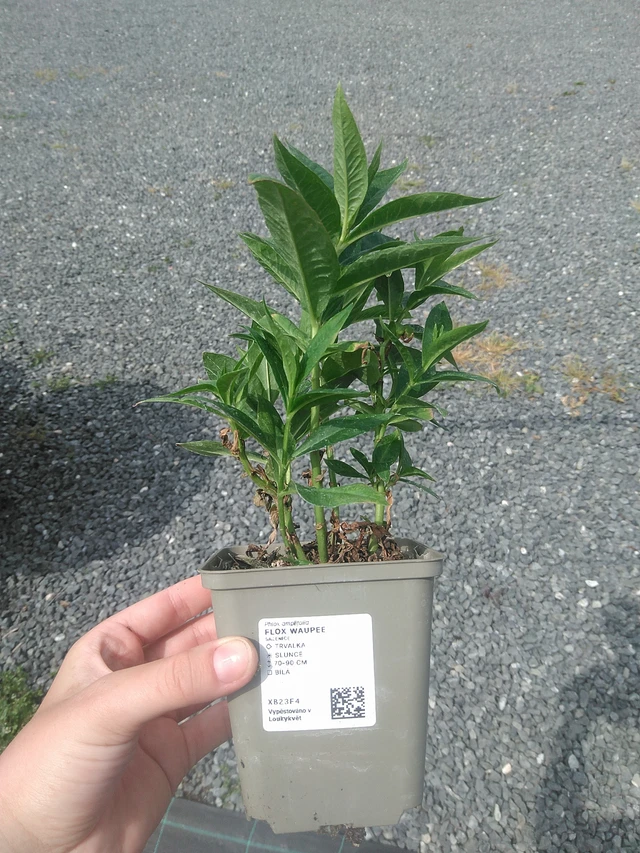
Phlox Waupee - 2. 6. 2026
2. 6. 2026
Phlox Waupee - 13. 5. 2026
13. 5. 2026
Phlox Waupee - 21. 4. 2026
21. 4. 2026
Phlox Waupee - 27. 3. 2026
27. 3. 2026
Phlox Waupee - 31. 10. 2025
31. 10. 2025
Phlox Waupee - 13. 10. 2025
13. 10. 2025

More products in category Phlox

Phlox Sweet Summer Ocean, Loukykvět

Phlox paniculata

Phlox is originally a perennial native to North America. It soon achieved great popularity in European gardens and has been systematically bred since the 19th century. It is a classic perennial for cutting into bouquets, where, in addition to colorful flowers, it also delights with a gentle fragrance. We harvest as soon as roughly half the flowers in the inflorescence have bloomed; then they last up to 10 days in a vase. Despite efforts to breed the most resistant cultivars, it remains true that Phlox reacts extremely sensitively to climate and soil conditions, so we carefully pay attention to the correct choice of site. The Sweet Summer series includes cultivars bred for greater resistance to fungal diseases. Sweet Summer Ocean is a very special cultivar introduced to the market in 2012. It is characterized by the color variability of flowers during the day. In cool mornings, the flowers are blue; as temperatures rise, they fade, and by noon they transition to purple-pink.
3,89
More from 2,89
In Stock
Phlox Sweet Summer Dream, Loukykvět

Phlox paniculata

Phlox is originally a perennial native to North America. It soon achieved great popularity in European gardens and has been systematically bred since the 19th century. It is a classic perennial for cutting into bouquets, where, in addition to colorful flowers, it also delights with a gentle fragrance. We harvest as soon as roughly half the flowers in the inflorescence have bloomed; then they last up to 10 days in a vase. Despite efforts to breed the most resistant cultivars, it remains true that Phlox reacts extremely sensitively to climate and soil conditions, so we carefully pay attention to the correct choice of site. The Sweet Summer series includes cultivars bred for greater resistance to fungal diseases. The Sweet Summer Dream cultivar impresses with warm pink flowers with a red eye. Its advantage is also compact growth.
3,49
More from 2,89
In Stock
Phlox Fujiyama, Loukykvět

Phlox paniculata

Phlox is originally a native perennial of North America. In European gardens, it soon reached great popularity and has been systematically bred since the 19th century. It is a classic perennial for cutting into bouquets, where besides colorful flowers, it also delights with a gentle fragrance. We harvest as soon as roughly half of the flowers in the cluster have bloomed, then it lasts up to 10 days in a vase. Despite efforts to breed the most resistant cultivars possible, it is still true that phlox reacts extremely sensitively to climate and soil conditions, so we carefully ensure the correct choice of site. Fujiyama is now a classic and still popular variety bred in the USA in 1965. The elegant flowers are tiny, pure white. It blooms very abundantly.
3,29
More from 3,19
In Stock
Phlox Nora Leight, Loukykvět

Phlox paniculata

Phlox, also known as garden phlox, is originally a perennial native to North America. It soon achieved great popularity in European gardens and has been systematically bred since the 19th century. It is a classic perennial for cutting into bouquets, where, in addition to colorful flowers, it also delights with a gentle fragrance. We harvest as soon as roughly half of the flowers in the inflorescence have bloomed; then it lasts up to 10 days in a vase. Despite efforts to breed the most resistant cultivars possible, it remains true that phlox reacts extremely sensitively to climate and soil conditions, so we pay careful attention to the correct choice of location. Nora Leight attracts attention with creamy variegated leaves, which complement the delicate pinkish-white flowers with a darker eye. Thanks to the light foliage, it can brighten up darker corners of the garden.
2,99
More from 2,09
Coming Soon
Phlox Franz Schubert, Loukykvět

Phlox paniculata

Phlox, known as 'plamenka' in Czech, is originally a native perennial from the moister meadows and forest edges of North America. It soon achieved great popularity in European gardens and has been systematically bred since the nineteenth century. It is a classic garden perennial that brings a romantic mood and abundant floods of flowers to summer beds. The approximately one meter tall straight stems are adorned with deep green leaves and bear dense inflorescences on top from July to August. At the same time, the whole plant smells very pleasantly, which acts as a reliable magnet for bees, bumblebees, and butterflies from the wide surroundings. Although phlox is very easy to grow and even complete beginners can manage the care, it pays to pay attention to the correct choice of location. We send customers already mature seedlings in a pot, which you can easily transplant directly into the garden. Here, phlox thrives best in a sunny to semi-shady location with loamy, humous, and well-drained soil. It is ideal to keep a spacing of about fifty centimeters when planting so that each clump has enough space to grow. They like plenty of moisture, and stable humidity is important to them. During severe drought, they can react sensitively and be more susceptible to powdery mildew, so they will welcome more abundant watering in the hot summer. Fortunately, you don't have to worry about pests; they avoid it. As for winter, you can throw your worries behind you, because the plant can handle severe frosts down to minus thirty-four degrees. In ornamental beds, phlox stands out both individually in larger groups and in combination with other summer perennials or shorter ornamental grasses. Furthermore, it is an absolutely ideal plant for cutting into vases. It will lend your home not only beautiful pastel colors but also its unmistakable sweet scent. We recommend harvesting stems for bouquets when approximately half of the flowers in the main inflorescence are already fully open. If you provide them with clean water, they will reward you with extraordinary durability and will easily last ten days in a vase. The Franz Schubert variety attracts with purple to pink flowers that fade towards the edges. The pastel color stands out in the vicinity of darker-colored plants.
2,99
More from 2,89
In Stock
Phlox Sternhimmel, Loukykvět

Phlox paniculata

Phlox, known as 'plamenka' in Czech, is originally a native perennial from the moister meadows and forest edges of North America. It soon achieved great popularity in European gardens and has been systematically bred since the nineteenth century. It is a classic garden perennial that brings a romantic mood and abundant floods of flowers to summer beds. The approximately one meter tall straight stems are adorned with deep green leaves and bear dense inflorescences on top from July to August. The Sternhimmel variety stands out with elegant small flowers with delicate color transitions in light purple and white. At the same time, the whole plant smells very pleasantly, which acts as a reliable magnet for bees, bumblebees, and butterflies from the wide surroundings. Although phlox is very easy to grow and even complete beginners can manage the care, it pays to pay attention to the correct choice of location. We send customers already mature seedlings in a pot, which you can easily transplant directly into the garden. Here, phlox thrives best in a sunny to semi-shady location with loamy, humous, and well-drained soil. It is ideal to keep a spacing of about fifty centimeters when planting so that each clump has enough space to grow. They like plenty of moisture, and stable humidity is important to them. During severe drought, they can react sensitively and be more susceptible to powdery mildew, so they will welcome more abundant watering in the hot summer. Fortunately, you don't have to worry about pests; they avoid it. As for winter, you can throw your worries behind you, because the plant can handle severe frosts down to minus thirty-four degrees. In ornamental beds, phlox stands out both individually in larger groups and in combination with other summer perennials or shorter ornamental grasses. Furthermore, it is an absolutely ideal plant for cutting into vases. It will lend your home not only beautiful pastel colors but also its unmistakable sweet scent. We recommend harvesting stems for bouquets when approximately half of the flowers in the main inflorescence are already fully open. If you provide them with clean water, they will reward you with extraordinary durability and will easily last ten days in a vase.
3,49
More from 2,39
In Stock
Phlox Sweet Summer Sensation, Loukykvět

Phlox paniculata

Phlox, also known as garden phlox, is originally a native perennial of North America. It soon achieved great popularity in European gardens and has been systematically bred since the 19th century. It is a classic perennial for cutting into bouquets, where, in addition to colorful flowers, it also delights with a gentle fragrance. We harvest as soon as roughly half of the flowers in the inflorescence have bloomed; then they last up to 10 days in a vase. Despite efforts to breed the most resistant cultivars possible, it remains true that phlox reacts extremely sensitively to climate and soil conditions, so we pay careful attention to the correct choice of site. The Sweet Summer series includes cultivars bred for greater resistance to fungal diseases. Sweet Summer Sensation has light pink flowers with a darker purplish eye. They contrast beautifully with the dark green leaves.
3,49
More from 2,89
In Stock
Phlox White Clouds, Loukykvět

Phlox amplifolia

Phlox White Clouds lives up to its name and looks like fluffy white clouds in the garden. It is a native North American species, Phlox amplifolia, which differs from better-known phloxes by its wider leaves and, above all, greater hardiness. It naturalized in European gardens as early as the 19th century and has enjoyed great popularity ever since. It is an ideal perennial for beginners because it tolerates drier soil well and does not suffer as much from fungal diseases. In the garden, it grows to a height of about one meter, making it a perfect fit for the background of perennial beds, where it forms a striking focal point in summer. Its fragrant flowers are literally a magnet for bees and other beneficial insects. Phloxes are also a traditional part of country bouquets. For the longest vase life, which is around 10 days, we recommend cutting the stems when approximately half of the flowers are in bloom. We ideally plant the seedlings in loamy, humus-rich soil in full sun or partial shade.
3,49
More from 2,39
In Stock
Phlox Sweet Summer Fragrance, Loukykvět

Phlox paniculata

Phlox is originally a perennial native to North America. It soon achieved great popularity in European gardens and has been systematically bred since the 19th century. It is a classic perennial for cutting into bouquets, where, in addition to colorful flowers, it also delights with a gentle fragrance. We harvest as soon as roughly half the flowers in the inflorescence have bloomed; then they last up to 10 days in a vase. Despite efforts to breed the most resistant cultivars, it remains true that Phlox reacts extremely sensitively to climate and soil conditions, so we carefully pay attention to the correct choice of site. The Sweet Summer series includes cultivars bred for greater resistance to fungal diseases. The Sweet Summer Fragrance cultivar has sweet pink flowers, lighter to white in the center with a purple eye.
3,89
More from 2,89
In Stock
Phlox Sweet Summer Fantasy, Loukykvět

Phlox paniculata

Phlox is a perennial originally native to North America. It soon achieved great popularity in European gardens and has been systematically bred since the 19th century. It is a classic cut flower perennial, delighting not only with colorful blooms but also a gentle fragrance. Harvest when about half the flowers in the cluster are open, and it will last up to 10 days in a vase. A Dutch variety bred in 2010, belonging to the healthy and vital 'Sweet Summer' series. 'Sweet Summer Fantasy' is a medium-height, dark-leaved variety. The dark purple flower color with a striking white center changes saturation depending on the age of the inflorescence.
3,89
More from 2,89
In Stock posledních 6 kusů
Phlox Winnetou, Loukykvět

Phlox amplifolia

Phlox is originally a native perennial from North America that established a firm position in European gardens back in the 19th century. A specific trait of this species is that it better tolerates the root competition of trees and shrubs. Because of this, it is also suitable for semi-shady undergrowth where other perennials might struggle, although it will always welcome plenty of moisture. Winnetou is a robust and vigorous variety that will delight you with a long blooming period. Its flowers shine with a deep dark pink color that transitions to an intense red towards the center. They last up to 10 days in a vase, and in addition to their colorful beauty, they will bring a delicate, typically summer fragrance into your home. We ideally harvest them when about half of the flowers in the cluster are open. In the garden, this cultivar perfectly complements softer colors, such as those of the Minnehaha variety.
3,89
More from 2,89
In Stock
Phlox Sweet Summer Melody, Loukykvět

Phlox paniculata

Phlox is a perennial originally native to North America. It soon achieved great popularity in European gardens and has been systematically bred since the 19th century. It is a classic cut flower perennial, delighting not only with colorful blooms but also a gentle fragrance. Harvest when about half the flowers in the cluster are open, and it will last up to 10 days in a vase. A Dutch variety bred in 2007 and named 'Sweet Summer Melody', it belongs to the resistant cultivars. Another plus is its compact growth and abundant flowering. The pink flowers with a red eye contrast perfectly with the dark green foliage.
3,49
More from 2,89
In Stock
Phlox Sweet Summer Wine, Loukykvět

Phlox paniculata

Phlox, also known as garden phlox, is originally a native perennial of North America. It soon achieved great popularity in European gardens and has been systematically bred since the 19th century. It is a classic perennial for cutting into bouquets, where, in addition to colorful flowers, it also delights with a gentle fragrance. We harvest as soon as roughly half of the flowers in the inflorescence have bloomed; then they last up to 10 days in a vase. Despite efforts to breed the most resistant cultivars possible, it remains true that phlox reacts extremely sensitively to climate and soil conditions, so we pay careful attention to the correct choice of site. The Sweet Summer series includes cultivars bred for greater resistance to fungal diseases. Sweet Summer Wine has dark red to purple flowers. Leaves are dark green.
3,49
More from 2,39
Unavailable
Pro rok 2026 nedostupné
Phlox Duchess of York, Loukykvět

Phlox paniculata

Phlox is originally a perennial native to North America. It soon achieved great popularity in European gardens and has been systematically bred since the 19th century. It is a classic perennial for cutting into bouquets, where, in addition to colorful flowers, it also delights with a gentle fragrance. We harvest as soon as roughly half the flowers in the inflorescence have bloomed; then they last up to 10 days in a vase. Despite efforts to breed the most resistant cultivars, it remains true that Phlox reacts extremely sensitively to climate and soil conditions, so we carefully pay attention to the correct choice of site. A historic English variety bred before 1949. The light pink flowers fade towards the center, while the eye is more richly colored.
3,49
More from 2,39
In Stock posledních 59 kusů
Phlox Sweet Summer Compact Purple Bicolor, Loukykvět

Phlox paniculata

Garden phlox, often called simply phlox, is a perennial that we immediately associate with country gardens and summer relaxation. It originally comes from the more humid regions of North America, but it naturalized in European gardens back in the nineteenth century, and an endless array of cultivars has been created since then. Phloxes are prized not only for their flood of flowers in the summer but also for their subtle spicy fragrance that wafts through the garden, especially in the early evening. It is a plant that literally magnetizes bees, bumblebees, and other pollinators, bringing a lot of life into the flower bed. In a garden composition, it perfectly complements taller perennials, covering the lower parts of their stems. This specific cultivar from the 'Sweet Summer' series stands out, as the name suggests, with a lower and compact growth of around fifty to sixty centimeters. Its flowers are bicolor with a distinct deep purple eye and edging, which looks very decorative. Despite breeding efforts for maximum resistance, it remains true that phloxes are sensitive to climate and soil conditions. They require humous, loose soil and above all, plenty of moisture. If their roots suffer from drought, they tend to be susceptible to powdery mildew, so provide them with regular watering and a spot in the sun or light partial shade. For lovers of cut flowers, phlox is a clear choice. We harvest it as soon as about half of the flowers in the inflorescence are open, and it will bring you joy in a vase for up to ten days.
3,49
More from 2,39
In Stock posledních 80 kusů
Phlox Sweet Summer Compact Rose Dark Eye, Loukykvět

Phlox paniculata

Phlox, also known as garden phlox, is originally a native perennial to North America. It quickly achieved great popularity in European gardens and has been systematically bred since the 19th century. It is a classic perennial that many remember from our grandmothers' gardens, but it also has its place in modern plantings. It loves the sun or light partial shade and requires nutritious, humous, and moist soil to fully show off its beauty. If you provide it with enough moisture, it will reward you with a flood of flowers during July and August. This plant is a classic perennial for cutting into bouquets, where, in addition to its colorful flowers, it also delights with a delicate fragrance. We harvest it once about half of the flowers in the inflorescence have bloomed; it will then last up to 10 days in a vase. The 'Compact Rose Dark Eye' cultivar belongs to the healthy and vigorous 'Sweet Summer' series, which is bred for higher disease resistance and a compact growth habit. It grows to a height of only about 50 to 70 centimeters, making it suitable even for smaller flower beds. It boasts sweet pink flowers with a distinct darker eye, which attract bees and other pollinators.
3,49
More from 2,39
In Stock posledních 75 kusů
Phlox Tecumseh, Loukykvět

Phlox amplifolia

Phlox Tecumseh, or plamenka, is originally a native perennial of North America that quickly gained great popularity in European gardens. It has been systematically bred since the 19th century and today belongs among the absolute classics of rustic and modern plantings. This species of phlox is robust and vigorous, so it forms an unmissable dominant feature in perennial flowerbeds, growing to a height of up to one meter. Tecumseh will enchant you with striking bright pink flowers with a purplish tinge, which also smell delicately and attract bees and other pollinators. A great advantage of this cultivar is its natural higher resistance to fungal diseases and long blooming period during July and August. If you like creating bouquets, phloxes are an ideal choice for you. We harvest them as soon as about half of the flowers in the inflorescence are open, and they will then bring you joy in a vase for up to ten days.
3,49
More from 2,39
Unavailable
Pro rok 2026 nedostupné
Phlox Minnehaha, Loukykvět

Phlox amplifolia

Phlox Minnehaha, also known as garden phlox, is originally a native perennial of North America that established a firm position in European gardens back in the 19th century. This particular variety is characterized by its high resilience and, unlike many other perennials, it holds up well even in competition with the root systems of shrubs or in slight shade. The flower color transitions from a delicate reddish-purple to light pink, with the color saturation gradually decreasing towards the center with a small red eye. It is a classic plant for cutting into bouquets, where, in addition to its colorful flowers, it also delights with a gentle fragrance. We harvest them as soon as about half of the flowers in the cluster are blooming; then they can last up to ten days in a vase. Thanks to a long blooming period from June to September, it will be an ornament of your flowerbeds throughout the entire season.
3,49
More from 2,89
In Stock
Phlox Sweet Summer Compact White, Loukykvět

Phlox paniculata

The Phlox 'Sweet Summer Compact White', commonly known as garden phlox, is a perennial that inherently belongs in country gardens and grandmother's flower beds. It originally comes from North America, where it grows in moist meadows and woodland edges, suggesting that it will also appreciate nutritious, well-drained soil with plenty of moisture in your garden. If you provide it with a sunny or partially shaded location, it will reward you with rich panicles of snow-white flowers that spread a delicate, nostalgic fragrance around them. It is an ideal choice for beginner growers because it is a vigorous and resilient plant. The 'Sweet Summer' series, to which this compact cultivar belongs, was bred with an emphasis on high resistance to powdery mildew, a common ailment of older varieties. Thanks to its smaller stature of around fifty to sixty centimeters, it is perfectly suited for the front parts of perennial beds, where it will not overshadow other plants. Furthermore, the flowers are fantastic for cutting. Cut them for a vase when about half of the inflorescence is open. They will bring you joy for up to ten days and scent your entire home. Additionally, they reliably attract bees and butterflies, so your garden will be full of life.
3,49
More from 2,39
In Stock posledních 52 kusů
Phlox May Breeze, Loukykvět

Phlox divaricata

Phlox 'May Breeze' is an ideal choice for those who cannot wait for the typical scent of summer phloxes. This species originates from the light forests of North America, which suggests that it will do best here in partial shade under trees or taller shrubs. Unlike its tall summer relatives, this plant is more petite and forms loose, carpet-like growth that brightens up darker corners of the garden in spring. The 'May Breeze' cultivar boasts a flood of pure white, star-shaped flowers that attract bees and other beneficial pollinators. Despite its delicate appearance, the plant is very hardy and undemanding, so even a beginner gardener can easily handle it. Furthermore, the flowers are excellent for cutting, especially for small spring arrangements, which they make special with their delicate scent and airy habit.
3,49
More from 2,39
Unavailable
Pro rok 2026 nedostupné

More products in category Perennials

Lady's mantle Irish Silk, Loukykvět

Alchemilla mollis

Alchemilla mollis, known as lady's mantle, is an indispensable perennial for anyone who wants to bring harmony and softness to the garden. Its home is the moister environments of mountain meadows and light forests, making it a very adaptable plant that will survive even severe frosts without problems in our climate. The 'Irish Silk' cultivar is prized for its vitality and abundant blooming, where clouds of tiny, yellow-green flowers float above clumps of gray-green leaves. It is precisely this neutral color that can work wonders in a flower bed – it softens overly sharp contrasts between other flowers and beautifully unifies the entire composition. Besides its ornamental function, lady's mantle also has practical uses. Thanks to its clumping growth and ability to quickly fill in, it is ideal for edging pathways or as an underplanting beneath taller shrubs and roses. Water droplets catch on its leaves, creating a magical spectacle in the garden. If you enjoy making bouquets, you will love lady's mantle as versatile filler greenery that matches almost anything. It will last beautiful for about ten days in a vase, and its inflorescences can also be easily dried without losing too much of their color or shape. Moreover, it is a magnet for pollinators, and its young leaves are even edible, so it also finds use in a natural kitchen.
2,99
More from 2,09
Coming Soon
Yarrow Summer Pastels, Loukykvět

Achillea millefolium

An original wild perennial with a large distribution area from Europe to Siberia. Suitable for natural and wild plantings. It grows in meadows and dry grassy places. A very adaptable and undemanding plant, it grows in clumps and spreads by runners. By cutting back after the first flowering, we encourage a set of new flowers. For bouquets, we harvest when the florets are fully open. It lasts 10 days in a vase. Summer Pastels is characterized by a changeable and soft range of colors from white and vanilla to salmon, brick red, and bronze.
3,09
More from 1,99
In Stock
Woodland Sage Caradonna, Loukykvět

Salvia nemorosa

This species of sage originally comes from the steppe regions of Central and Eastern Europe. It forms profusely flowering small clumps with straight upright stems. In flower beds, it looks best in groups. Traditionally, due to the identical flowering time, it is planted as a companion to roses. However, it will look just as good in mixed drought-loving steppe plantings with grasses. It lasts 7 days in a vase. The cultivar Caradonna stands out with a long flowering period and dark, almost black-purple stems with tiny purple flowers and dark purple bracts. If we cut it back after flowering, it will bloom again in late August and September.
2,99
More from 2,09
In Stock posledních 65 kusů
Verbena, Loukykvět

Verbena bonariensis

A verbena species originally from South America. In our country, it is often used as an annual, but in mild winters it can overwinter and reproduce by self-seeding. The firm, airy stems beautifully soften perennial beds and make them special with their purple color. It beautifully complements steppe plantings with grasses and rose beds.
3,29
More from 2,29
In Stock
Russian Sage, Loukykvět

Perovskia atriplicifolia

Russian sage reliably brings a touch of sunny steppes into the garden and places almost no demands on care. These sparsely branched subshrubs originally come from harsh, rocky areas from Afghanistan to Tibet, where they grow on open sun-drenched plains. Thanks to its origin, it delights in full sun and poor, well-drained sandy soil with minimal moisture. You will receive from us a well-rooted seedling in a pot, which just needs to be transplanted straight to the chosen spot in the flower bed. It does not need support, is avoided by common pests and diseases, and will survive frosts down to minus twenty-eight degrees. It grows up to one hundred and twenty centimeters and forms striking white felted shoots with silvery grey aromatic leaves. From July to October, it blooms with tiny blue-purple flowers that act as a lure for bees and butterflies and are even edible. Russian sage stands out next to drought-tolerant perennials. The flowers are suitable for cutting and drying for winter arrangements. Moreover, the silvery stems will ensure a beautiful winter effect in the flower bed.
2,99
More from 2,09
In Stock
Gaura Siskiyou Pink, Loukykvět

Gaura lindheimeri

Gaura Siskiyou Pink is a charming perennial that brings lightness and airiness to the garden. Its original native area is in the warm regions of Texas and Louisiana, which is why it thrives in full sun and well-drained sandy soil. It grows in clumps and from June until the autumn frosts produces tiny raspberry-pink flowers that resemble fluttering butterflies. An interesting detail of this variety is the green leaves with a bronze tint and red spots. It is an absolutely undemanding plant, does not suffer from diseases or pests, and even beginners can handle its care. You will receive a grown seedling in a pot from us, which you simply need to transplant directly into the flowerbed. Here it complements ornamental grasses perfectly and acts as an attraction for bees and bumblebees. Although it grows more as a short-lived perennial in our climate, in a suitable place it reliably self-seeds. Occasional pinching will encourage richer branching. Gaura is excellent for summer bouquets. We cut the stems for a vase as soon as the first two to three little flowers open.
2,99
More from 2,09
In Stock
Coneflower Magnus, Loukykvět

Echinacea purpurea

A valuable garden and medicinal perennial, native to North America. It blooms in summer with dark purple-pink flowers. The spiky flower centers are an irresistible attraction for butterflies. They last 7–10 days in a vase. After removing the petals, the stems with the central disks can be dried or used in fresh bouquets as an interesting element. Magnus features distinctive deep pink flowers with an orange-brown center.
2,99
More from 2,09
In Stock poslední 1 kus
Sea Holly, Loukykvět
For drying

Eryngium planum

Sea holly is an indispensable perennial for all lovers of naturally styled gardens. It earned its folk name - male fidelity - in times when it was used in herbal medicine as an aphrodisiac, and its roots were even candied as sweets in France and England. Today, however, you will appreciate it mainly for its low maintenance and unique appearance. Its home is on sunny hillsides and dry meadows, so even in our gardens, it will welcome well-drained, even poorer sandy soil and full sun. It produces upright, sturdy stems topped with blue-purple flowers with prickly bracts, which bring interesting structure and a silvery touch to the flowerbeds. It is literally a magnetic plant for bees, bumblebees, and butterflies, who find a rich food source on it. Floristically, it is extremely valuable, because its flowers are perfectly suited for cutting as well as drying for winter decorations. If you decide not to harvest it, feel free to leave it in the flowerbed all winter. Its silhouette covered in hoarfrost creates a wonderful winter effect. Although it is a short-lived perennial, in a suitable location it reliably self-seeds, so you will enjoy its beauty for many years.
2,79
More from 1,99
Coming Soon
Echinacea pallida, Loukykvět

Echinacea pallida

The pale coneflower is one of the exceptionally interesting prairie perennials of the North American continent. In its natural environment, it grows on open, sunny plains, which is why it thrives best in our gardens in full sun in drier, well-drained soil. You just need to transplant this grown seedling straight into the flower bed, where it will reliably take root. It does not need support, easily withstands severe frosts, and is avoided by common diseases and pests, making it ideal for beginner growers. During June and July, it will reward you with aromatic flowers with unusually narrow and drooping petals in light purple and pink tones. The prominent prickly centers are literally a magnet for bees and bumblebees, and the flowers themselves are surprisingly edible. The plant stands out especially in rustic plantings together with ornamental grasses. Gardeners and florists love it for its versatility. The fresh stems bring joy in a vase for about a week. Moreover, the distinctive central cones hold their shape perfectly, can be perfectly dried for winter decorations, or left in the flower bed, where they will create an eye-catching winter structure under a layer of snow.
2,99
More from 2,09
In Stock s doručením od 24. 8. 2026
Coneflower Rubinstern, Loukykvět

Echinacea purpurea

A valuable garden and medicinal perennial, originally from North America. It blooms in summer with dark purple-pink flowers. The spiky flower discs are an irresistible lure for butterflies. Lasts 7–10 days in a vase. After plucking the petals, the stems with the central discs can be dried or used in fresh bouquets as an interesting element. Rubinstern is very similar to the Magnus cultivar; the petals are darker and firmer. As they fade, they gradually pale and droop downwards.
2,99
More from 2,09
In Stock
Woodland Sage Ostfriesland, Loukykvět

Salvia nemorosa

This species of sage originates from the steppe regions of Central and Eastern Europe. It forms abundantly flowering small clumps with straight upright stems. In beds, it looks best in groups. Traditionally, it is planted as a companion to roses due to the matching flowering time. However, it will look equally good in mixed drought-loving steppe plantings with grasses. It is an excellent food source for bees. It lasts 7 days in a vase. The cultivar Ostfriesland blooms with a strikingly dark violet-blue color.
2,99
More from 2,09
In Stock
Rudbeckia Goldsturm, Loukykvět

Rudbeckia fulgida

Rudbeckia Goldsturm is a reliable and long-lived perennial that will bring the warm tones of late summer and autumn into your garden. It originally comes from the open plains and prairies of North America, so it delights most in sunny locations with common garden soil, whether it is loamy, humus-rich, or clayey. You will receive from us an already grown seedling in a pot, which you just need to transplant to the chosen spot in the flower bed. It is a completely undemanding plant, does not suffer from diseases or pests, and easily survives severe frosts. The Goldsturm cultivar grows to a height of about seventy centimeters and does not need support. From August to October, it produces a flood of golden-yellow flowers with distinctly dark centers. These edible flowers attract pollinators and fit perfectly into both prairie and rustic plantings. Rudbeckia is also great for cutting, lasting around ten days in a vase. In addition, the distinctive dark centers can be easily dried. If you leave them in the flower bed over the winter, they will provide a wonderful spectacle.
2,79
More from 1,99
In Stock
Gaura Summer Breeze, Loukykvět

Gaura lindheimeri

The charming gaura comes from the sun-drenched plains of Texas and Louisiana and represents exactly the plant that can liven up any drought-tolerant planting. It is a naturally profusely blooming perennial that delights in full sun and well-drained, sandy, and nutrient-poor soil. You will receive from us an already grown seedling in a pot, which will quickly form a vigorous clump after being transplanted into the garden. From early summer until late autumn, it will delight you with a flood of tiny flowers in pure white and delicate pink tones. The flowers gently sway in the breeze and with their appearance resemble a flock of tiny butterflies, which also really like to land on the plant, as do bees and bumblebees. Although gaura is known as a short-lived perennial, thanks to its willing self-seeding, it will last for many years in your garden. Caring for it is completely undemanding, it is avoided by most diseases and pests, and it can handle frosts down to eighteen degrees below zero without any problems. It is often used in mixed borders, where it beautifully softens the overall impression, and perfectly matches various types of ornamental grasses. The Summer Breeze variety is popular for its strong and healthy growth as well as its exceptionally generous set of flowers, which grow to about one meter. If you like to create your own bouquets, do not hesitate to cut gaura for a vase. Harvesting is best done the moment the first small flowers on the stem begin to open. These delicate flowers are not suitable for drying into dried arrangements, but they will beautifully lighten up fresh bouquets.
2,99
More from 2,09
In Stock s doručením od 7. 9. 2026
Woodland Sage Amethyst, Loukykvět

Salvia nemorosa

This species of sage originates from the steppe regions of Central and Eastern Europe. It forms profusely flowering small clumps with straight, upright stems. In flower beds, it looks best in groups. It is traditionally planted as a companion to roses due to the matching flowering time. However, it looks equally good in mixed drought-tolerant steppe plantings with grasses. It is an excellent food source for bees. Lasts 7 days in a vase. Amethyst is an elegant variety with long stems and a pink flower color that is unusual for sages.
2,99
More from 2,09
In Stock s doručením od 3. 8. 2026
Calamint Blue Cloud, Loukykvět

Calamintha nepeta

Lesser calamint Blue Cloud is an undemanding and modest perennial that reliably perfumes any sunny garden. Its original homeland is the sunny and dry slopes of Southern Europe, which is why it thrives best here in direct sun in well-drained, sandy, or poorer loamy soil. It handles winter without problems, tolerating frosts down to minus twenty-three degrees. You will receive a grown seedling in a pot from us, which you just need to transplant straight into the flowerbed, where it will very soon form a compact, airy small shrub reaching a height of up to forty centimeters. It does not suffer from any diseases or pests, so even complete beginners can easily handle caring for it. Throughout late summer and into autumn, it blooms with a record number of tiny blue flowers that are so typical of the Blue Cloud variety. The whole plant emits a pleasant minty-spicy scent, and its flowers, which resemble thyme, act as a literal magnet for bees, bumblebees, and butterflies. It will look great among roses or in naturally designed steppe flowerbeds, where it naturally complements lower ornamental grasses. Additionally, both the blue flowers and green leaves are edible, so you can use them to garnish summer dishes. Lesser calamint is also excellently suited for cutting into smaller fresh bouquets, adding a fine structure to them in a vase.
2,79
More from 1,99
Coming Soon
Daisy Maikönigin, Loukykvět

Leucanthemum vulgare

A classic perennial for early summer bouquets and cottage gardens. For bouquets, we harvest flowers with firm, smooth central disks. Then they last 7–10 days in a vase. Maikönigin is an exceptionally abundantly flowering garden form.
2,79
More from 1,99
In Stock
Yarrow Terracotta, Loukykvět

Achillea millefolium

A native wild perennial with a large distribution range from Europe to Siberia. Suitable for natural and wild plantings. It grows in meadows and dry grassy places. A very adaptable and undemanding plant, it grows in clumps and spreads via runners. Cutting back after the first bloom encourages a new set of flowers. Harvest for bouquets when the tiny flowers are fully open. It lasts 10 days in a vase. Terracotta features ochre, shades of orange and yellow, and gray-green foliage.
2,99
More from 2,89
In Stock
Calamint, Loukykvět

Calamintha nepeta ssp. nepeta

An undemanding and modest perennial that blooms with a large number of tiny flowers. It blooms for a record-breaking length of time throughout late summer and autumn. It forms smaller, compact, airy bushes that release a minty-spicy scent. The thyme-like flowers attract bees, bumblebees, and butterflies. It will look good among roses as well as in naturalistic steppe beds, perhaps with lower grasses. This calamint is generally more vigorous. It differs from other calamints with felted leaves by its record flowering length, stiff and shiny leaves, and also a larger number of flowers that do not form seeds and are therefore maximally durable. Sometimes sold under the cultivar name 'Triumphator'.
2,79
More from 1,99
In Stock
Woodland Sage Schneehügel, Loukykvět

Salvia nemorosa

This species of sage originates from the steppe regions of Central and Eastern Europe. It forms abundantly flowering small clumps with straight upright stems. In beds, it looks best in groups. Traditionally, it is planted as a companion to roses due to the matching flowering time. However, it will look equally good in mixed drought-loving steppe plantings with grasses. It is an excellent food source for bees. It lasts 7 days in a vase. Schneehügel blooms white.
2,99
More from 2,09
In Stock
Japanese Anemone Whirlwind, Loukykvět

Anemone hybrida

Anemones come from the same family as buttercups. With their elegant flowers on long slender stems, they can liven up and brighten late summer and autumn beds. They stand out against the darker background of shrub groups and will also be grateful for their partial shade. The Czech Perennial Association chose autumn Anemones as the perennial of the season for 2022. They last 7 days in a vase. Whirlwind is a historical variety bred in 1887 in the USA. It has a semi-double pure white flower, often with inner twisted petals, and compact, strictly upright growth. The flowers are very durable.
3,49
More from 3,59
In Stock