


Phlox paniculata
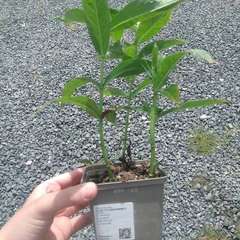
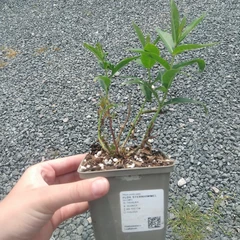
Phlox Sternhimmel
Seedling

Attracts pollinators 🐝
Difficulty
Diseases
Edible
Flower color
Flower color: Shade
Foliage color
Fragrant (aromatic) 👃
Frost resistance
Hardiness zone
Height
Moisture
Pests
Position
Soil
Spacing
Spacing: Plants per m²
Species
Suitable for cutting
Suitable for drying
Recommended products

Phlox paniculata
Phlox Franz Schubert

Phlox paniculata
Phlox Sweet Summer Sensation

Phlox amplifolia
Phlox Winnetou

Anemone hybrida
Japanese anemone Lorelei

Phlox paniculata
Phlox Sweet Summer Fragrance

Phlox paniculata
Phlox Sweet Summer Melody

Achillea millefolium
Yarrow Terracotta

Achillea millefolium
Yarrow Lilac Beauty

Anemone hybrida
Japanese Anemone Serenade

Phlox amplifolia
Phlox Minnehaha

Salvia pratensis
Meadow Sage Rose Rhapsody

Achillea millefolium
Yarrow Lachsschönheit

Delphinium hybrida
Larkspur Benary’s Pacific Galahad

Papaver orientale
Oriental Poppy Royal Wedding

Achillea millefolium
Yarrow Summer Pastels

Geum chiloense
Avens Tempest Scarlet

Gypsophila paniculata
Baby's Breath Snowflake

Leucanthemum vulgare
Daisy Maikönigin

Alchemilla mollis
Lady's mantle Irish Silk

Delphinium hybrida
Larkspur Benary’s Pacific Black Knight

Knautia macedonica
Knautia Red Knight

Veronicastrum virginicum
Culver's Root Album

Verbena bonariensis
Verbena

Salvia nemorosa
Woodland Sage Ostfriesland

Filipendula hybridum
Meadowsweet Kahome

Phlox amplifolia
Phlox White Clouds

Phlox amplifolia
Phlox Great Smoky Mountains

Calamagrostis acutiflora
Feather Reed Grass Karl Förster

Rudbeckia subtomentosa
Rudbeckia Henry Eilers

Dicentra spectabilis
Bleeding Heart
Cultivation
Since an already beautifully grown seedling in a pot will arrive at your home, you can get straight to planting in its permanent spot. Phlox thrives best in moister, nutrient-rich soils in full sun. Ideal for them is an open cooler place, or a location with light midday partial shade, which will protect them from the greatest summer heat. The soil should be loamy, humous, and above all well-drained. When planting, keep a spacing of about fifty centimeters, which corresponds to four to five plants per square meter. This generous space is absolutely crucial for good air circulation. Flowing air acts as the best natural prevention against powdery mildew, which is a fungal disease forming an unsightly white coating on the leaves.
This perennial is a relatively thirsty plant, and the key to successful cultivation is stable moisture. Always direct watering straight to the roots and avoid sprinkling the leaves. If the phlox has plenty of water in the hot summer, it will reward you with healthy growth and a flood of fragrant flowers. It belongs among rather long-lived perennials, so it takes a while for them to fully adapt to a new location and grow into their maximum beauty. To support growth, it will appreciate annual fertilizing or mulching with aged compost, which will additionally help retain precious moisture in the soil. A great advantage is that common garden pests avoid this plant by a wide margin, making care all the more joyful.
During the summer, you can support the plant by removing dead or faded parts. This will prevent the plant from unnecessarily exhausting itself and often stimulate a slight repeated blooming. In the autumn or early spring, simply cut all the stems close to the ground. You definitely don't have to fear winters with this perennial. Its frost hardiness is extreme, and it will easily handle harsh temperatures dropping down to minus thirty-four degrees Celsius. It therefore requires absolutely no winter covering or protection.
Customers often ask us if this approximately one-meter-tall phlox can also be grown in containers or window boxes. It is possible, but it requires a bit more attention. You will need a truly large, heavy, and stable pot so the tall stems don't tip over in the summer wind. Don't forget a thick drainage layer at the bottom and a quality humous substrate. In a container, the plant will require much more frequent watering, in sweltering summers even daily, as well as the regular replenishing of nutrients with a liquid fertilizer throughout the vegetation period.
The information given is based on our experience, please use it as a guide only. Times may vary depending on the season, climate, location, sowing and transplanting dates and possibly also the conditions in the greenhouse/greenhouse. We always recommend testing how the plant performs in your conditions. Please do not take this as a guarantee.
How should I prepare Phlox for winter? Do I need to protect it in any way?
Will the mature plant need any support?
How often should I water the Phlox?
How should I handle fertilizing the plant?
How much space should I leave between the seedlings when planting?
Collections
The product can be found in the following collections.


Perennials, Bulbs, and Seeds Collection
Fragrant Rose Companions
The collection of fragrant perennials is a selection that works well as a companion to large-flowered, shrub, or even climbin…
Frequently asked questions
Basic information
Is phlox toxic or dangerous to children and pets?
Are Phlox flowers edible; can they be used in the kitchen?
Harvest
How and when should I cut flowers for a vase so they last as long as possible?
Is this plant suitable for cutting and putting in a vase?
Propagation
How can I propagate my healthy phlox in the garden?
Characteristics
When and how does the Sternhimmel phlox bloom?
Does Phlox attract beneficial insects to the garden?
Planting site
What soil conditions are ideal for growing?
What is the best location for Phlox (Phlox 'Sternhimmel')?
Can I grow Phlox in a large pot?
Diseases & pests
There is a white powdery coating on the leaves of my Phlox. What is it and what should I do about it?
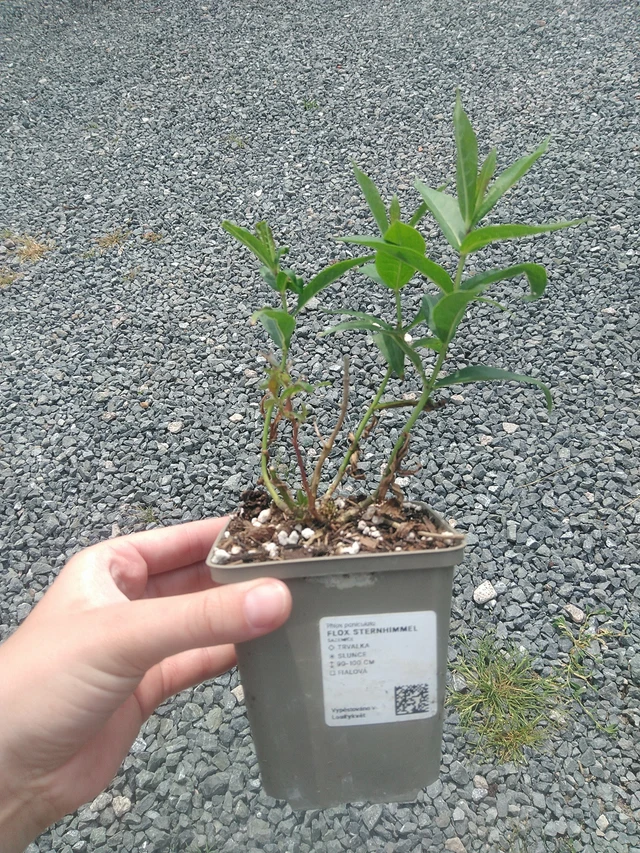
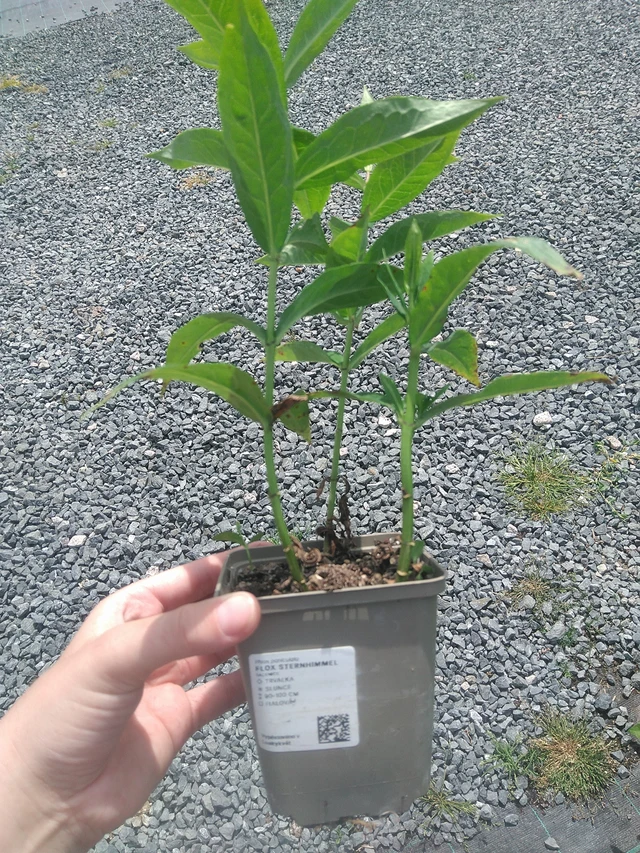
Photos in time
See how the seedling looks over the course of a year.



More products in category Phlox

Phlox paniculata
Phlox Sweet Summer Ocean

Phlox paniculata
Phlox Sweet Summer Dream

Phlox paniculata
Phlox Fujiyama
Phlox paniculata
Phlox Franz Schubert

Phlox paniculata
Phlox Nora Leight
Phlox paniculata
Phlox Sweet Summer Sensation
Phlox amplifolia
Phlox White Clouds
Phlox amplifolia
Phlox Winnetou
Phlox paniculata
Phlox Sweet Summer Fragrance
Phlox paniculata
Phlox Sweet Summer Melody

Phlox paniculata
Phlox Sweet Summer Fantasy

Phlox paniculata
Phlox Duchess of York

Phlox paniculata
Phlox Sweet Summer Wine

Phlox paniculata
Phlox Sweet Summer Compact Purple Bicolor

Phlox paniculata
Phlox Sweet Summer Compact Rose Dark Eye

Phlox douglasii
Phlox Lilac Cloud

Phlox paniculata
Phlox Sweet Summer Compact White
Phlox amplifolia
Phlox Minnehaha

Phlox amplifolia
Phlox Waupee

Phlox amplifolia
Phlox Tecumseh
More products in category Perennials
Alchemilla mollis
Lady's mantle Irish Silk
Achillea millefolium
Yarrow Summer Pastels
Verbena bonariensis
Verbena

Salvia nemorosa
Woodland Sage Caradonna

Perovskia atriplicifolia
Russian Sage

Gaura lindheimeri
Gaura Siskiyou Pink

Echinacea purpurea
Coneflower Rubinstern

Echinacea pallida
Echinacea pallida

Eryngium planum
Sea Holly

Echinacea purpurea
Coneflower Magnus
Salvia nemorosa
Woodland Sage Ostfriesland

Calamintha nepeta
Calamint Blue Cloud

Rudbeckia fulgida
Rudbeckia Goldsturm

Calamintha nepeta ssp. nepeta
Calamint

Gaura lindheimeri
Gaura Summer Breeze

Salvia nemorosa
Woodland Sage Amethyst
Leucanthemum vulgare
Daisy Maikönigin
Achillea millefolium
Yarrow Terracotta

Perovskia atriplicifolia
Russian sage Little Spire

Salvia nemorosa


