
Phlox amplifolia
Phlox Great Smoky Mountains
Seedling
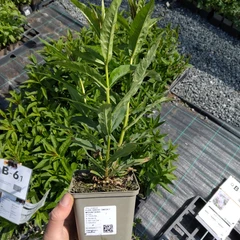
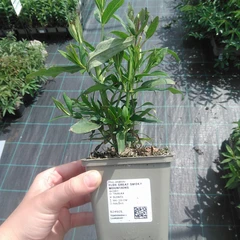

Attracts pollinators 🐝
Difficulty
Diseases
Edible
Flower color
Flower color: Shade
Foliage color
Fragrant (aromatic) 👃
Frost resistance
Hardiness zone
Height
Moisture
Pests
Position
Soil
Spacing
Spacing: Plants per m²
Species
Suitable for cutting
Suitable for drying
Recommended products

Phlox paniculata
Phlox Sweet Summer Sensation

Phlox paniculata
Phlox Franz Schubert

Phlox amplifolia
Phlox Winnetou

Phlox paniculata
Phlox Sweet Summer Melody

Brunnera macrophylla
Brunnera macrophylla

Delphinium hybrida
Larkspur Benary’s Pacific Black Knight

Phlox paniculata
Phlox Sternhimmel

Phlox amplifolia
Phlox White Clouds

Liatris spicata
Liatris Floristan White

Calamintha sylvatica
Wood Calamint Menthe

Leucanthemum vulgare
Daisy Maikönigin

Phlox amplifolia
Phlox Minnehaha

Clematis heracleifolia
Clematis Mrs R. Brydon

Achillea millefolium
Yarrow Alabaster

Papaver orientale
Oriental Poppy Royal Wedding

Delphinium elatum
Delphinium Magic Fountains Dark Blue (White Bee)

Sedum spectabile
Sedum Matrona

Calamintha nepeta
Calamint Blue Cloud

Astilbe simplicifolia
Astilbe Diamant

Panicum virgatum
Switchgrass Prairie Sky

Astilbe japonica
Astilbe Europa

Aster novi-belgii
Aster White Ladies

Sanguisorba tenuifolia
Sanguisorba Alba

Achillea millefolium
Yarrow Terracotta

Lavandula intermedia
Lavender Alba

Helenium hoopesii
Orange sneezeweed

Betonica (Stachys) grandiflora
Betony Superba

Sedum telephium
Sedum Star Dust

Alchemilla mollis
Lady's mantle Irish Silk

Gypsophila paniculata
Baby's Breath Snowflake
Cultivation
Growing the 'Great Smoky Mountains' phlox is a joy for beginners and advanced gardeners alike, especially thanks to its vitality and natural resilience. Since you will receive an already grown seedling, you can plant it in the garden throughout the entire season, but ideally in spring or autumn when there is no extreme heat. Choose a place with loose, nutritious, and moister soil for it. This type of phlox likes 'feet in the cool and head in the sun', so it thrives wonderfully in perennial beds, where lower plants shade its bottom part while the inflorescences bask in the sun. If you have heavier clay soil in your garden, lighten it with sand and compost. Conversely, in sandy soils, add peat or leaf mold for better water retention.
One of the great advantages of this cultivar is its healthy growth and resistance to powdery mildew, which is a common ailment of other phloxes. Yet, it is good to pay attention to the proper watering technique. Replenish moisture regularly (the plant has two drops in its attributes, which signifies higher water demands), but try to direct the water to the bottom part of the stems. Mulching is an excellent trick to keep the soil moist and suppress weeds at the same time. Watch out for slugs, which can damage the plant, especially in the spring when new shoots are sprouting. Against frost, this perennial is fully resistant and will easily survive even harsh winters without the need for support or covering.
The 'Great Smoky Mountains' phlox grows to a height of over one meter and looks very airy, so it is more suitable for the background of flower beds or for looser rustic compositions. The flowers are suitable for cutting into a vase; if you harvest the stems when half the flowers are open, they will last more than a week doing their magic at home. Additionally, the flowers are edible and smell sweet, which you can use when decorating summer desserts. Growing in a window box is generally not highly recommended due to the height of the plant and demands on space for the roots, but it will thrive in a large terracotta pot (min. 40 cm in diameter) on a terrace if you do not forget daily watering and regular fertilizing during the summer.
The information given is based on our experience, please use it as a guide only. Times may vary depending on the season, climate, location, sowing and transplanting dates and possibly also the conditions in the greenhouse/greenhouse. We always recommend testing how the plant performs in your conditions. Please do not take this as a guarantee.
Collections
The product can be found in the following collections.


Perennial Collection with Daffodils
Grandma’s perennial cutting garden collection
Colors, shapes, and fresh combinations. Forget about matching tone-on-tone for once and treat yourself to a full bouquet of o…
Frequently
asked
questions
Growing
How deep and at what spacing should I plant the seedlings?
How often should I water the phlox?
What should I fertilize Phlox with and when?
Diseases & pests
Is this cultivar prone to powdery mildew like other phlox?
Is the plant susceptible to any pests?
Planting site
Where is the best place to plant Phlox 'Great Smoky Mountains'?
Is it possible to grow this Phlox in a container?
What kind of soil does this phlox require?
Basic information
When does this Phlox bloom and what color is it?
How does this phlox differ from common garden phlox?
Harvest
Can I use Phlox flowers in a vase?
Propagation
How can this Phlox be propagated?
Troubleshooting
Why is my phlox growing slowly after planting?
Characteristics
Is the plant frost-hardy, or do I need to cover it for the winter?
Does this plant attract bees and butterflies?
Photos
in time
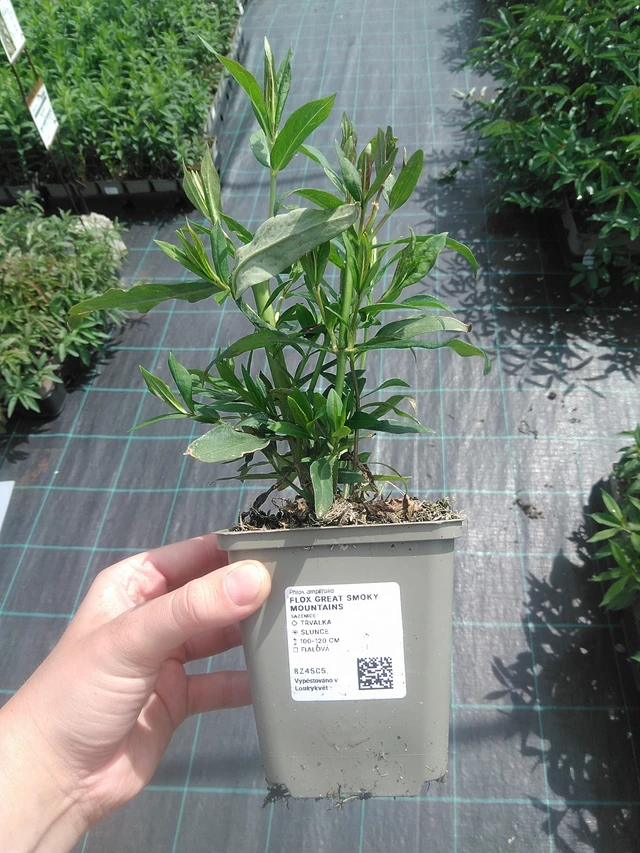
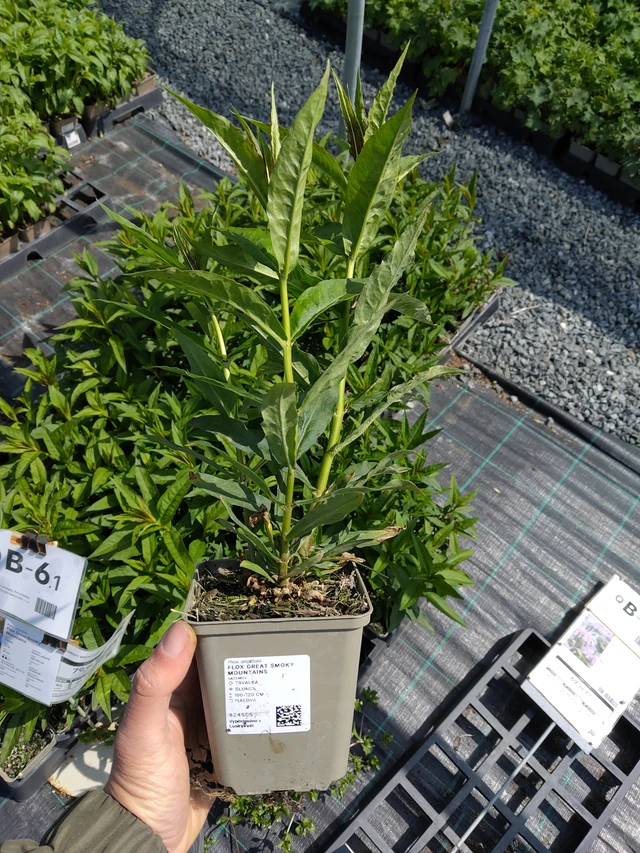
See how the seedling looks over the course of a year.



More products in category Phlox
Phlox paniculata
Phlox Sweet Summer Ocean

Phlox paniculata
Phlox Sweet Summer Dream
Phlox paniculata
Phlox Franz Schubert

Phlox paniculata
Phlox Fujiyama

Phlox paniculata
Phlox Nora Leight
Phlox paniculata
Phlox Sternhimmel
Phlox paniculata
Phlox Sweet Summer Sensation
Phlox amplifolia
Phlox White Clouds

Phlox paniculata
Phlox Sweet Summer Fragrance
Phlox amplifolia
Phlox Winnetou

Phlox paniculata
Phlox Sweet Summer Fantasy
Phlox paniculata
Phlox Sweet Summer Melody

Phlox paniculata
Phlox Duchess of York

Phlox paniculata
Phlox Sweet Summer Wine

Phlox paniculata
Phlox Sweet Summer Compact Purple Bicolor

Phlox paniculata
Phlox Sweet Summer Compact Rose Dark Eye

Phlox paniculata
Phlox Sweet Summer Compact White

Phlox douglasii
Phlox Lilac Cloud
Phlox amplifolia
Phlox Minnehaha

Phlox amplifolia
Phlox Waupee
More products in category Perennials
Alchemilla mollis
Lady's mantle Irish Silk

Achillea millefolium
Yarrow Summer Pastels

Salvia nemorosa
Woodland Sage Caradonna

Verbena bonariensis
Verbena

Perovskia atriplicifolia
Russian Sage

Gaura lindheimeri
Gaura Siskiyou Pink

Echinacea purpurea
Coneflower Rubinstern

Echinacea pallida
Echinacea pallida

Eryngium planum
Sea Holly

Echinacea purpurea
Coneflower Magnus

Salvia nemorosa
Woodland Sage Ostfriesland
Calamintha nepeta
Calamint Blue Cloud

Rudbeckia fulgida
Rudbeckia Goldsturm

Gaura lindheimeri
Gaura Summer Breeze

Salvia nemorosa
Woodland Sage Amethyst

Calamintha nepeta ssp. nepeta
Calamint
Leucanthemum vulgare
Daisy Maikönigin

Perovskia atriplicifolia
Russian sage Little Spire
Achillea millefolium
Yarrow Terracotta

Salvia nemorosa


