
Lavatera olbia
Tree mallow Bredon Springs
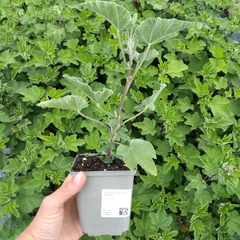
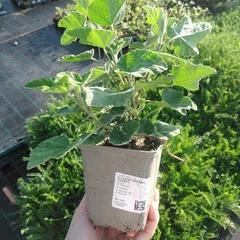
Seedling

Attracts pollinators 🐝
Difficulty
Diseases
Edible
Flower color
Flower color: Shade
Foliage color
Fragrant (aromatic) 👃
Frost resistance
Hardiness zone
Height
Moisture
Pests
Position
Soil
Spacing
Spacing: Plants per m²
Species
Suitable for cutting
Suitable for drying
Recommended products

Lavatera hybrida
Lavatera Lilac Lady

Leucanthemum vulgare
Daisy Maikönigin

Lavatera hybrida
Lavatera Blushing Bride

Catananche caerulea
Shoofly plant Blue

Achillea millefolium
Yarrow Summer Pastels

Lavatera x clementii
Lavatera Burgundy Wine

Verbena bonariensis
Verbena

Helleborus orientalis
Hellebore Double Ellen Yellow Spotted

Alchemilla mollis
Lady's mantle Irish Silk

Lavatera olbia
Tree mallow Barnsley Baby

Aster novi-belgii
Aster novi-belgii Fellowship

Lavatera hybrida
Lavatera White Angel

Sidalcea
Checkerbloom Wine Red

Delphinium elatum
Delphinium Magic Fountains Dark Blue (White Bee)

Rudbeckia fulgida
Rudbeckia Goldsturm

Papaver orientale
Oriental Poppy Royal Wedding

Gypsophila paniculata
Baby's breath Flamingo

Sidalcea
Checkerbloom Brilliant

Lavatera olbia
Tree mallow Candy Floss

Achillea millefolium
Yarrow Terracotta

Achillea millefolium
Yarrow Cassis

Knautia macedonica
Knautia Red Knight

Filipendula hybridum
Meadowsweet Kahome

Verbascum nigrum var. album
Black Mullein

Achillea millefolium
Yarrow Cerise Queen

Potentilla nepalensis
Nepal Cinquefoil Miss Willmott

Perovskia
Russian Sage Blue Spire

Lavandula angustifolia
Lavender Rosea

Phlox paniculata
Phlox Sweet Summer Sensation

Aquilegia vulgaris
Columbine Heidi
Cultivation
For the successful cultivation of the Bredon Springs tree mallow, choosing the right spot, which should reflect its Mediterranean origin, is crucial. This plant absolutely requires full sun and a warm location, ideally protected from strong winds that could break its tall stems. The soil must primarily be well-drained and loamy. Tree mallow does not tolerate waterlogging, which often leads to root rot in winter, so avoid heavy clay soils or places where water accumulates. Given its massive growth, with the plant reaching a height of up to two meters, maintain a sufficient spacing when planting, ideally one meter between plants, so that air can circulate between them. This helps as prevention against fungal diseases, such as mallow rust.
Since you will receive an already established seedling, we recommend planting it in the open ground when the soil is already warmed up, ideally from mid-May. Water the plant thoroughly after planting. During the season, the tree mallow requires medium watering; although it can tolerate short-term drought, it needs a regular supply of moisture for a rich set of flowers, especially on hot summer days. There is no need to overdo fertilizing – it is enough to incorporate compost into the soil in the spring or use a fertilizer for flowering plants once every two weeks. Too much nitrogen would encourage leaf growth at the expense of flowers. To keep the plant blooming for as long as possible, it is highly advisable to regularly remove faded flowers. This will prevent seed formation and encourage the production of new buds right up to autumn.
In our conditions, the tree mallow is considered a short-lived perennial or semi-shrub and its frost hardiness has its limits (down to approx. -10 °C). It is therefore essential to prepare the plant for winter. Pile a layer of soil, bark mulch, or dry leaves around the roots and cover the above-ground part with evergreen branches or white non-woven fabric. In the spring, as soon as the frosts pass, perform a deep hard pruning. Do not be afraid to cut the plant back to about 30–40 cm above the ground; the tree mallow will sprout back very quickly and form a more compact shrub. As for growing in containers, it is possible, but given the size of the plant, choose a large and stable pot with good drainage. In a container, however, the plant is more susceptible to freezing, so move it to a cool, frost-free room (garage, winter garden) for the winter.
The information given is based on our experience, please use it as a guide only. Times may vary depending on the season, climate, location, sowing and transplanting dates and possibly also the conditions in the greenhouse/greenhouse. We always recommend testing how the plant performs in your conditions. Please do not take this as a guarantee.
Is the Lavatera 'Bredon Springs' frost-hardy, and how should I properly overwinter it?
How often does a mallow need to be watered?
How and when should I prune a mallow?
Frequently asked questions
Basic information
When can I look forward to the first blooms?
Does mallow last for many years, or do I need to replace it often?
Troubleshooting
What should I do if rusty spots appear on the leaves?
Planting site
What kind of location and soil does a mallow prefer?
Can I grow mallow in a large container on the patio?
Characteristics
Are the Lavatera flowers edible, or do they have any culinary uses?
Does mallow attract bees and butterflies?
How big does mallow grow and how much space does it need?
Is this plant safe for children and pets?
Harvest
Are mallow flowers suitable for a vase?
Propagation
Can I easily propagate Lavatera?
Diseases & pests
What pests might affect this plant?
Photos in time
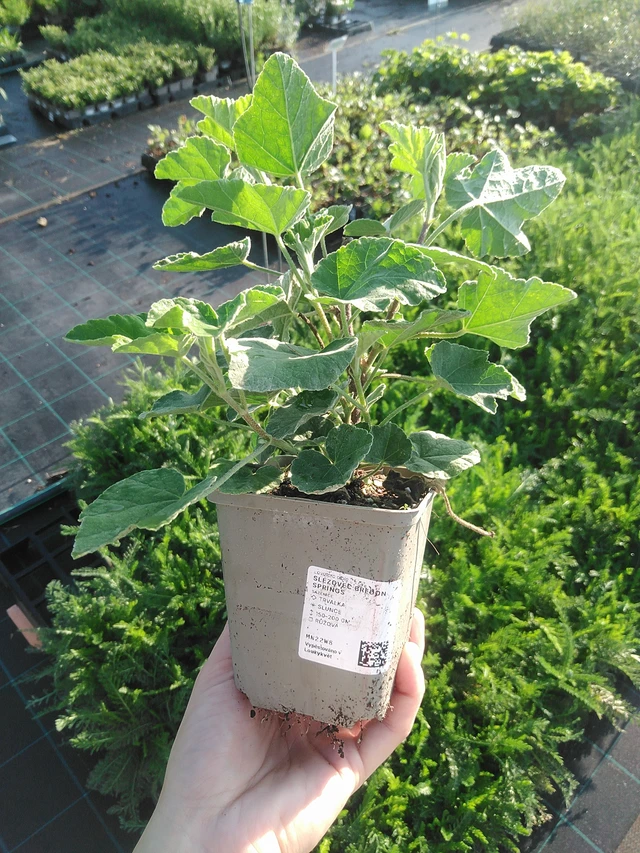
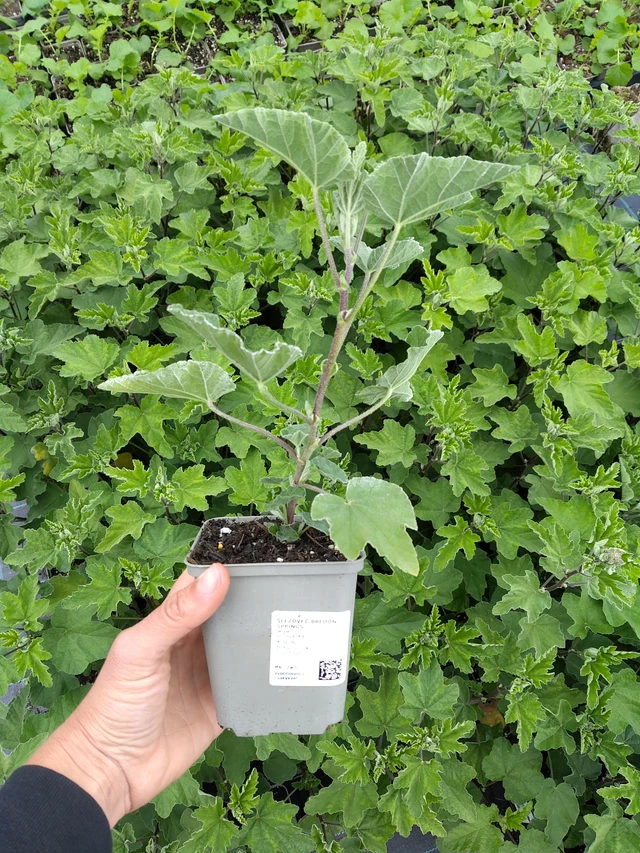
See how the seedling looks over the course of a year.



More products in category Lavatera
Lavatera olbia
Tree mallow Barnsley Baby
Lavatera hybrida
Lavatera Lilac Lady
Lavatera hybrida
Lavatera White Angel
Lavatera x clementii
Lavatera Burgundy Wine

Lavatera hybrida
Lavatera Duet
Lavatera hybrida
Lavatera Blushing Bride
Lavatera olbia
Tree mallow Candy Floss
More products in category Perennials
Alchemilla mollis
Lady's mantle Irish Silk
Achillea millefolium
Yarrow Summer Pastels
Verbena bonariensis
Verbena

Salvia nemorosa
Woodland Sage Caradonna

Perovskia atriplicifolia
Russian Sage

Gaura lindheimeri
Gaura Siskiyou Pink

Echinacea purpurea
Coneflower Rubinstern

Echinacea pallida
Echinacea pallida

Salvia nemorosa
Woodland Sage Ostfriesland

Eryngium planum
Sea Holly

Echinacea purpurea
Coneflower Magnus

Calamintha nepeta
Calamint Blue Cloud
Rudbeckia fulgida
Rudbeckia Goldsturm

Calamintha nepeta ssp. nepeta
Calamint

Salvia nemorosa
Woodland Sage Amethyst

Gaura lindheimeri
Gaura Summer Breeze
Leucanthemum vulgare
Daisy Maikönigin
Achillea millefolium
Yarrow Terracotta

Perovskia atriplicifolia
Russian sage Little Spire

Salvia nemorosa


