
Persicaria amplexicaulis
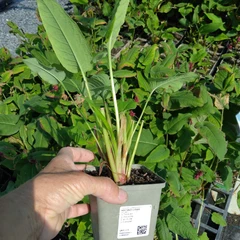
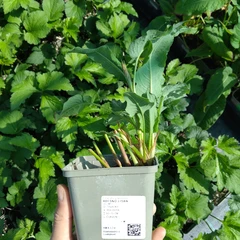
Persicaria Lisan
Seedling
Attracts pollinators 🐝
Difficulty
Diseases
Edible
Flower color
Flower color: Shade
Foliage color
Fragrant (aromatic) 👃
Frost resistance
Hardiness zone
Height
Moisture
Pests
Position
Soil
Spacing
Spacing: Plants per m²
Species
Suitable for cutting
Suitable for drying
Recommended products

Achillea millefolium
Yarrow Summer Pastels

Salvia nemorosa
Woodland Sage Schneehügel

Anemone hybrida
Japanese Anemone Serenade

Knautia macedonica
Knautia Red Knight

Helleborus orientalis
Hellebore Double Ellen Yellow Spotted

Calamagrostis acutiflora
Feather Reed Grass Overdam

Hydrangea arborescens
Smooth Hydrangea Annabelle

Anemone hybrida
Japanese Anemone Whirlwind

Physostegia virginiana
Obedient Plant Rosea

Helleborus orientalis
Hellebore Pretty Ellen Spotted

Anemone hybrida
Japanese anemone Lorelei

Alchemilla mollis
Lady's mantle Irish Silk

Aster novi-belgii
Aster novi-belgii Fellowship

Verbena hastata
Verbena hastata Blue Spires

Helleborus orientalis
Hellebore Double Ellen Picotee

Papaver orientale
Oriental Poppy Royal Wedding

Potentilla nepalensis
Nepal Cinquefoil Miss Willmott

Aquilegia vulgaris
Columbine Kristall

Geranium pratense
Cranesbill Midnight Reiter

Deschampsia cespitosa
Tufted hairgrass Palava

Phlomis russeliana
Phlomis Russeliana

Lobelia fulgens
Lobelia Queen Victoria

Catananche caerulea
Shoofly plant Blue

Echinops bannaticus
Globe thistle Blue Glow

Verbena hastata
Blue Vervain Pink Spires

Sanguisorba
Great Burnet Rock and Roll

Sedum spectabile
Sedum Matrona

Aquilegia vulgaris
Columbine Heidi

Rudbeckia fulgida
Rudbeckia Goldsturm

Salvia nemorosa
Woodland sage Schwellenburg
Cultivation
Growing 'Lisan' knotweed (Persicaria amplexicaulis) is a very rewarding affair even for complete beginners, because this perennial is robust and undemanding. The basis for success is choosing the right location. This plant thrives best in a sunny spot or in partial shade. Even though it can tolerate shadier corners, it will flower most profusely in the sun, provided it has enough moisture. The soil should ideally be loamy, rich in nutrients, and humous. It is crucial that it is sufficiently moist and non-drying, as knotweed tolerates drought poorly. If you have sandy or stony soil in your garden, it is necessary to improve it before planting by working in compost or other organic material that will help retain water.
Since you will receive an already grown seedling, you can plant it practically anytime during the growing season, until it freezes. When planting, pay attention to the correct spacing, ideally 3 to 5 plants per square metre (a distance of approx. 40–50 cm). 'Lisan' knotweed grows relatively quickly and forms dense clumps that effectively suppress weeds, so you will soon see a continuous cover. Thoroughly water the plant after planting and watch out that the root ball doesn't dry out in the first weeks.
As for further care, this cultivar is relatively maintenance-free. It excels in that it doesn't suffer from any specific diseases or pests, so you don't have to deal with chemical protection. Because it reaches a compact height of 50–75 cm and has sturdy stems, it requires no support and does not fall over even in the rain. Fertilizing is not absolutely necessary if the soil is nutritious, but in the spring you can toss a little compost to the clumps to encourage lush leaf growth and the setting of crimson flowers. Should a long period of drought occur, do not forget to water the plants generously.
'Lisan' knotweed is fully frost-resistant (down to -28 °C), so it overwinters with us without problems and requires no winter cover. In autumn, when the plant turns brown and dies back with the first frosts, we recommend leaving the dry stems and leaves on the flowerbed. Perform a hard pruning only early in the spring, when you remove all dead matter just above the ground, making room for new, fresh green shoots. If you are considering growing in containers or window boxes, it is possible thanks to the compact growth of this cultivar. However, the container must be sufficiently large and deep. Regular and frequent watering is then crucial, because soil in a pot dries out much faster than in the open ground.
The information given is based on our experience, please use it as a guide only. Times may vary depending on the season, climate, location, sowing and transplanting dates and possibly also the conditions in the greenhouse/greenhouse. We always recommend testing how the plant performs in your conditions. Please do not take this as a guarantee.
Can Persicaria be grown in a pot?
How many seedlings should I plant per square meter?
How should I care for Persicaria in the autumn and winter?
Is knotweed frost-hardy?
How often do I need to water the Persicaria?
Frequently asked questions
Characteristics
Does the plant need support?
Is the plant toxic to children or pets?
When and how long does the Lisan knotweed bloom?
Do knotweed plants attract bees and butterflies?
Harvest
Are knotweed flowers suitable for cutting?
Diseases & pests
Is knotweed prone to any diseases or pests?
Planting site
Where is the best place to plant Persicaria 'Lisan'?
Propagation
How can I propagate knotweed?
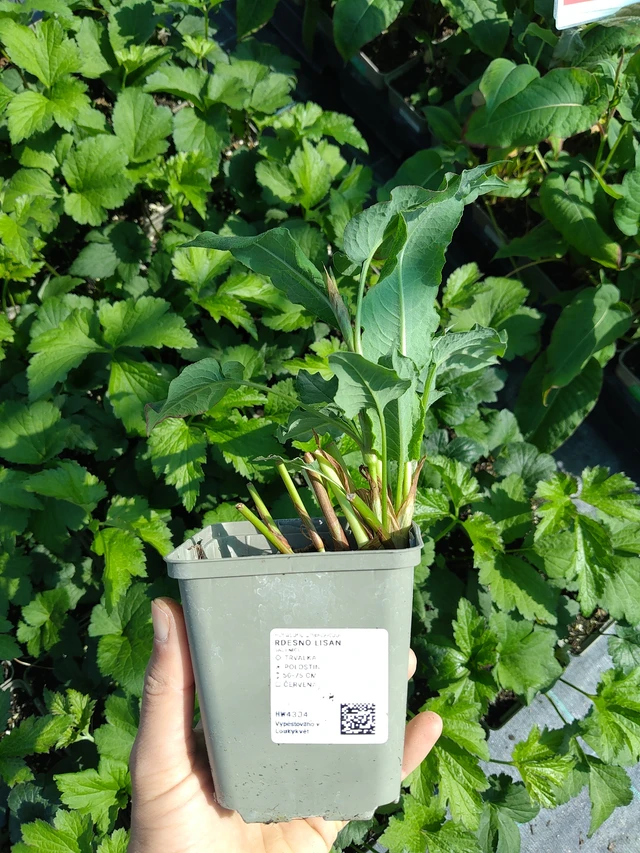
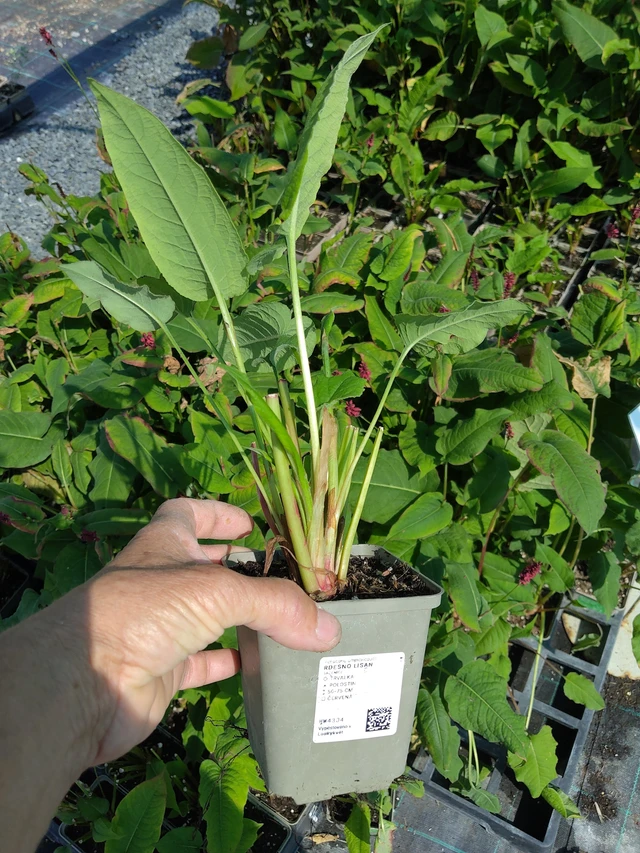
Photos in time
See how the seedling looks over the course of a year.
More products in category Persicaria

Persicaria amplexicaulis
Persicaria Speciosa

Persicaria amplexicaulis
Persicaria Alba

Persicaria amplexicaulis
Persicaria Fat Domino

Persicaria affinis
Persicaria Superba

Persicaria amplexicaulis
Persicaria Dark Red

Persicaria amplexicaulis
Persicaria Rosea

Persicaria amplexicaulis
Persicaria JS Calor

Persicaria amplexicaulis
Persicaria JS Caliente

Persicaria amplexicaulis
Persicaria JS Misty Morning
More products in category Perennials
Alchemilla mollis
Lady's mantle Irish Silk
Achillea millefolium
Yarrow Summer Pastels

Verbena bonariensis
Verbena

Salvia nemorosa
Woodland Sage Caradonna

Perovskia atriplicifolia
Russian Sage

Gaura lindheimeri
Gaura Siskiyou Pink

Echinacea purpurea
Coneflower Rubinstern

Echinacea pallida
Echinacea pallida

Eryngium planum
Sea Holly

Echinacea purpurea
Coneflower Magnus

Salvia nemorosa
Woodland Sage Ostfriesland

Calamintha nepeta
Calamint Blue Cloud
Rudbeckia fulgida
Rudbeckia Goldsturm

Calamintha nepeta ssp. nepeta
Calamint

Salvia nemorosa
Woodland Sage Amethyst

Gaura lindheimeri
Gaura Summer Breeze

Leucanthemum vulgare
Daisy Maikönigin

Achillea millefolium
Yarrow Terracotta

Perovskia atriplicifolia
Russian sage Little Spire
Salvia nemorosa


