

Rosmarinus officinalis
Rosemary Barbecue
Seedling
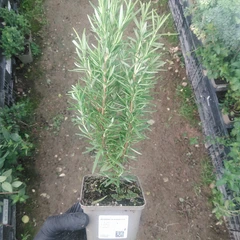
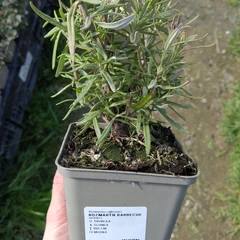
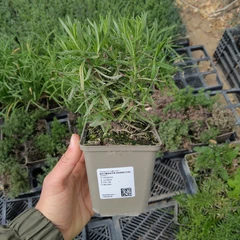
Attracts pollinators 🐝
Difficulty
Diseases
Edible
Flower color
Flower color: Shade
Foliage color
Fragrant (aromatic) 👃
Frost resistance
Hardiness zone
Height
Moisture
Pests
Position
Soil
Spacing
Spacing: Plants per m²
Recommended products

Thymus vulgaris
Thyme Compactus

Mentha spicata
Moroccan mint

Mentha spicata
Lemon mint

Dicentra spectabilis
Bleeding Heart

Thymus citriodorus
Thyme Doone Valley

Salvia nemorosa
Salvia Mainacht

Achillea millefolium
Yarrow Lilac Beauty

Dicentra spectabilis Alba
Bleeding Heart Alba

Geum chiloense
Avens Totally Tangerine

Lavandula angustifolia
Lavender Rosea

Lavandula angustifolia
Lavender Hidcote

Achillea millefolium
Yarrow Summer Pastels

Petroselinum hortense
Garden Parsley

Pennisetum alopecuroides
Fountain grass Hameln

Mentha piperita
Mint Eau de Cologne

Aquilegia vulgaris
Columbine Heidi

Sedum spectabile
Sedum Matrona

Achillea millefolium
Yarrow Terracotta

Papaver orientale
Oriental Poppy Royal Wedding

Agastache rugosa
Agastache

Helianthus microcephalus
Sunflower Lemon Queen

Achillea millefolium
Yarrow Lachsschönheit

Artemisia ludoviciana
Artemisia Silver Queen

Salvia pratensis
Meadow Sage Rose Rhapsody

Gypsophila paniculata
Baby's Breath Snowflake

Geum rivale
Geum Mango Lassi

Echinops bannaticus
Globe thistle Blue Glow

Achillea millefolium
Yarrow Cerise Queen

Artemisia abrotanum var. maritima
Artemisia Coca Cola

Salvia pratensis
Meadow Sage Swan Lake
Cultivation
Growing the 'Barbecue' variety of rosemary is surprisingly easy if you prepare conditions close to its native home right from the start. Since we will send you a ready, strong seedling, you can skip the worries of germination and plant directly in its final location. This evergreen perennial with striking dark green leaves loves direct sun and dry conditions. It will thrive best in permeable, sandy to rocky soil that does not retain excess moisture. In nature, it grows in poor soil, so there is no need to overdo it with fertilizer. If you provide rosemary with this dry and sunny environment, it will reward you by being completely free of pests and diseases. You don't have to worry about unpleasant issues like various molds, powdery mildew, or attacks by small whiteflies. Many growers enjoy cultivating this herb in pots, which is likely the best and safest choice for our climate. The key to success is a planting container with a sufficient drainage hole and a thick layer of drainage material at the bottom. Water the rosemary in the pot very sparingly; the roots must never stand in water for long. From April to June, the plant is decorated with small light blue flowers that act as a guaranteed bee magnet. Immediately after flowering is the perfect time for a back-pruning. This keeps the plant in the desired shape, promotes the growth of new fragrant shoots, and prevents it from becoming unsightly at the base. Since a mature plant grows to a height of one to one and a half meters, regular spring trimming helps maintain its long-term vitality and density. Although this cultivar handles short-term frosts down to -10 °C without problems, the classic Central European winter full of dampness generally doesn't suit it well outdoors. If you do plant it directly in the garden, keep a spacing of about half a meter, which ensures enough room, and choose a spot by a warm wall where it will be well-protected from cold wind. In winter, it then needs to be thoroughly covered with breathable material. However, it is much more convenient and certain to overwinter plants in containers. Around November, before harder frosts hit, move the rosemary into an unheated conservatory, a bright hallway, or a cooler bright garage. It needs plenty of daylight and a temperature preferably around five to eight degrees. Winter care then consists only of occasional very light watering.
The information given is based on our experience, please use it as a guide only. Times may vary depending on the season, climate, location, sowing and transplanting dates and possibly also the conditions in the greenhouse/greenhouse. We always recommend testing how the plant performs in your conditions. Please do not take this as a guarantee.
Frequently
asked
questions
Troubleshooting
Why are my rosemary leaves suddenly turning brown or falling off?
Growing
Can I leave rosemary outside in the garden bed over the winter?
When and how should I properly prune rosemary to help it grow well?
How often should I water the plant?
Does rosemary need any fertilization during the season?
How should I properly grow 'Barbecue' rosemary after receiving the seedling?
Planting site
What kind of substrate is best for growing rosemary?
Is this seedling suitable for growing in a pot on a balcony?
Which other herbs can rosemary be planted with in one large planter?
Basic information
How tall will the 'Barbecue' rosemary grow when mature?
Propagation
How can I gradually propagate rosemary from a single seedling?
Characteristics
What makes the 'Barbecue' variety so special for culinary use?
Is the plant toxic or dangerous to cats and dogs in any way?
When does this plant bloom and what do the flowers actually look like?
Harvest
What is the best way to harvest the leaves without harming the plant?
Diseases & pests
Is rosemary prone to any pests or specific diseases?
Photos
in time
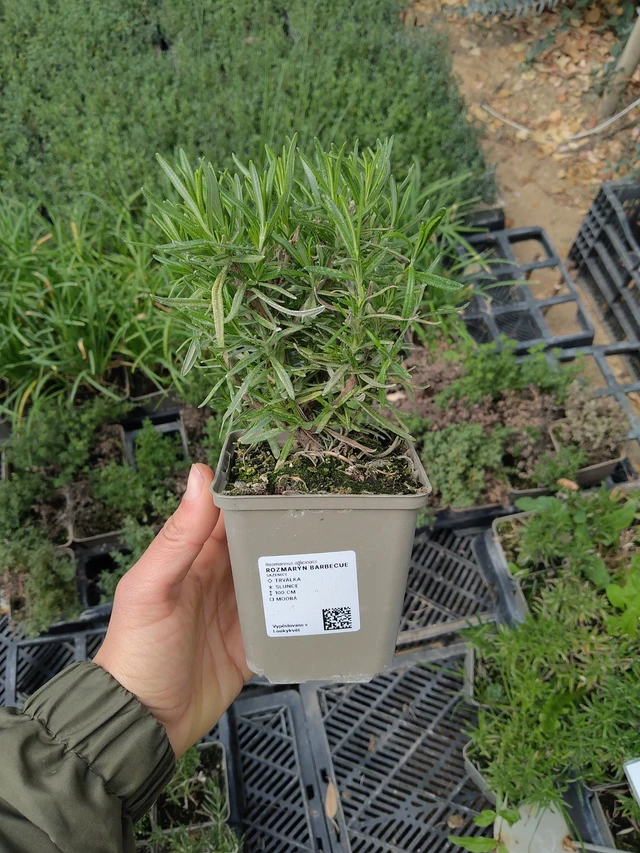
See how the seedling looks over the course of a year.


More products in category Rosemary

Rosmarinus officinalis
Rosemary Speedy

Rosmarinus officinalis
Rosemary Blue Rain

Rosmarinus officinalis
Rosemary Blue Winter

Rosmarinus officinalis
Rosemary Upright Pink

Rosmarinus officinalis
Rosemary

Rosmarinus officinalis
Rosemary Hishtil Perigord

Rosmarinus officinalis
Rosemary Fox tail

Rosmarinus officinalis
Rosemary Blue Cascade

Rosmarinus officinalis
Rosemary Green Rosi
More products in category Herbs
Mentha spicata
Moroccan mint
Thymus vulgaris
Thyme Compactus

Thymus serpyllum
Thyme Albus

Thymus citriodorus
Thyme Lemon

Satureja montana
Winter Savory

Mentha piperita citrata
Chocolate mint

Thymus serphyllus
Thyme Coccineus
Artemisia abrotanum var. maritima
Artemisia Coca Cola

Lippia citriodora
Lemon verbena

Helichrysum angustifolia
Curry plant Tall Curry

Valeriana officinalis
Valerian

Origanum vulgare
Oregano Compactum

Levisticum officinale
Lovage
Thymus citriodorus
Thyme Doone Valley

Coriandrum sativum
Coriander

Mentha spicata
Spanish Mint

Salvia officinalis
Sage Maxima
Petroselinum hortense
Garden Parsley

Origanum rotundifolia
Ornamental oregano Kent Beauty

Anethum graveolens


