

Rosmarinus officinalis
Rosemary Speedy
Seedling
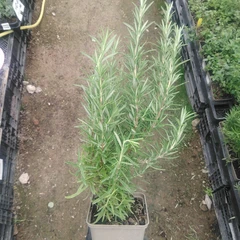
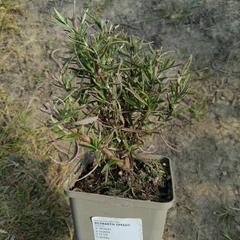
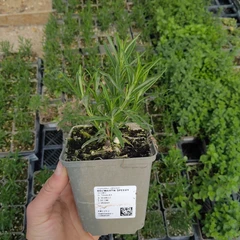
Attracts pollinators 🐝
Difficulty
Diseases
Edible
Flower color
Flower color: Shade
Foliage color
Fragrant (aromatic) 👃
Frost resistance
Hardiness zone
Height
Moisture
Pests
Position
Soil
Spacing
Spacing: Plants per m²
Recommended products

Thymus vulgaris
Thyme Compactus

Mentha spicata
Moroccan mint

Mentha spicata
Lemon mint

Salvia nemorosa
Woodland Sage Ostfriesland

Dicentra spectabilis Alba
Bleeding Heart Alba

Thymus citriodorus
Thyme Doone Valley

Salvia pratensis
Meadow Sage Rose Rhapsody

Dicentra spectabilis
Bleeding Heart

Thymus citriodorus
Thyme Silver King

Geum chiloense
Avens Tempest Scarlet

Rosmarinus officinalis
Rosemary Blue Rain

Geum chiloense
Avens Totally Tangerine

Achillea millefolium
Yarrow Summer Pastels

Sedum spectabile
Sedum Matrona

Petroselinum hortense
Garden Parsley

Salvia nemorosa
Woodland Sage Schneehügel

Lavandula intermedia
Lavender Edelweiss

Centaurea montana
Mountain Cornflower

Echinacea purpurea
Coneflower White Swan

Achillea millefolium
Yarrow Lilac Beauty

Mentha piperita
Mint Eau de Cologne

Aquilegia vulgaris
Columbine Kristall

Salvia nemorosa
Woodland Sage Adrian

Leucanthemum vulgare
Daisy Maikönigin

Achillea millefolium
Yarrow Terracotta

Lavandula angustifolia
Lavender Hidcote

Nepeta faassenii
Catmint Alba

Origanum laevigatum
Oregano Herrenhausen

Verbena hastata
Blue Vervain Pink Spires

Helleborus orientalis
Hellebore Double Ellen Yellow Spotted
Cultivation
Plant the rosemary seedling in the sunniest and warmest place your garden or balcony has to offer. This Mediterranean herb loves full sun and poor, sandy, and very permeable soil. When planting in open ground, we recommend maintaining a spacing of 50 cm, which works out to 3 to 5 plants per square meter. Sufficient spacing ensures good air circulation and acts as excellent prevention against fungal diseases such as powdery mildew or gray mold, to which rosemary can be susceptible in damp conditions. Whether you are planting in a flowerbed or a container, always prepare a proper drainage layer of gravel or expanded clay at the bottom. Winter waterlogging of the roots is much more dangerous for it than the frost itself.
Because the frost resistance of this variety reaches about minus ten degrees (zone 8a), it is most often grown in large pots in our climate. Growing in containers is very easy – from spring to autumn, rosemary looks great outdoors, where you only need to water it moderately once the substrate has dried out. Before the arrival of stronger frosts, you simply move the pot to a bright, cooler room with a temperature of 5 to 8 °C. Year-round outdoor cultivation is only recommended in warm lowlands in a very protected location, ideally by a south wall and with high-quality winter protection made of evergreen boughs. Fertilizing is almost unnecessary; the plant is used to poor conditions.
The 'Speedy' variety grows very quickly and will soon form a bush 50 to 100 centimeters tall. To keep it in a compact shape, it is good to pinch back young shoots regularly. During April to June, it will also delight you with light blue flowers that will surely attract pollinators. Every year after flowering, it is recommended to perform a light prune, which will support the density and overall vitality of the plant. During the season and wintering, check the plant occasionally so that you can detect any potential pests in time; these include whiteflies, spider mites, or aphids. By continuously removing withered twigs and fallen leaves, you will keep the bush healthy, airy, and in perfect condition.
The information given is based on our experience, please use it as a guide only. Times may vary depending on the season, climate, location, sowing and transplanting dates and possibly also the conditions in the greenhouse/greenhouse. We always recommend testing how the plant performs in your conditions. Please do not take this as a guarantee.
Frequently
asked
questions
Growing
How far apart should I plant the seedlings if I want to create a small hedge?
When and how should I prune rosemary to keep the bush thick and beautiful?
What kind of soil is ideal for growing rosemary?
How often and in what way should I water the rosemary?
I'd like to know exactly how I should handle the seedling after I receive it?
Can rosemary survive a harsh winter outdoors in a garden bed, or do I need to bring it inside?
Propagation
Is there an easy way to propagate rosemary from the garden?
Harvest
What is the best time and way to harvest rosemary for use in the kitchen?
Diseases & pests
What pests can threaten rosemary and how can I protect it against them?
Planting site
Where is the best place to put rosemary in the garden or on the balcony?
Basic information
Is this herb difficult to grow if I am a beginner gardener?
Is rosemary dangerous to my pets if they taste it?
Troubleshooting
Why are the tips of my rosemary shoots turning brown or even black?
What does it mean if a white powdery coating appears on the rosemary leaves?
Characteristics
Will blue flowers attract beneficial insects to the garden?
What makes this specific 'Speedy' variety stand out?
How can I practically use rosemary in cooking?
Photos
in time
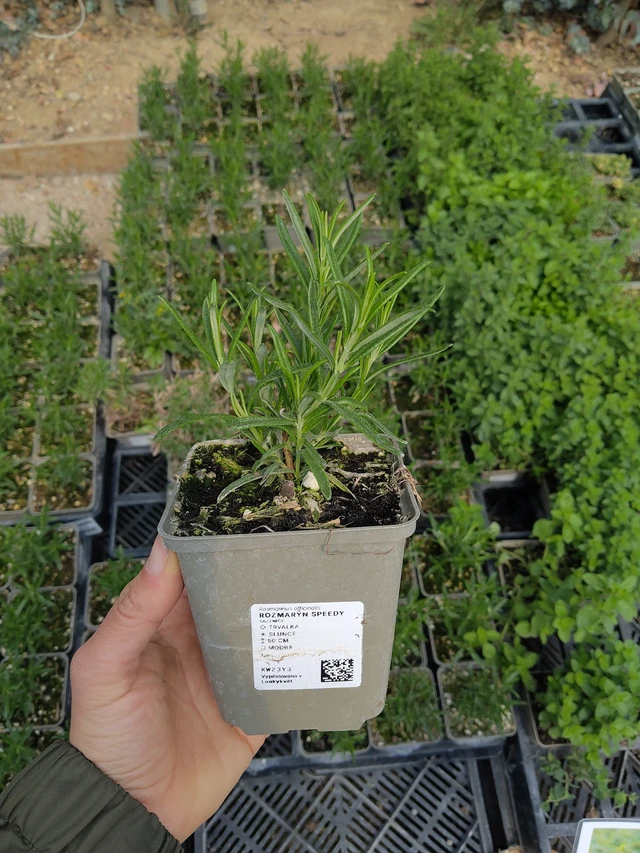
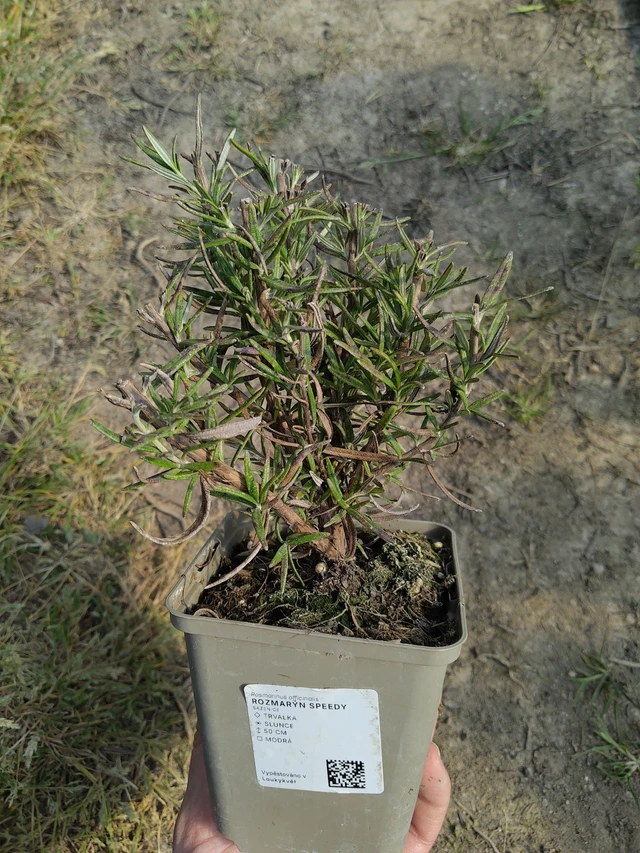
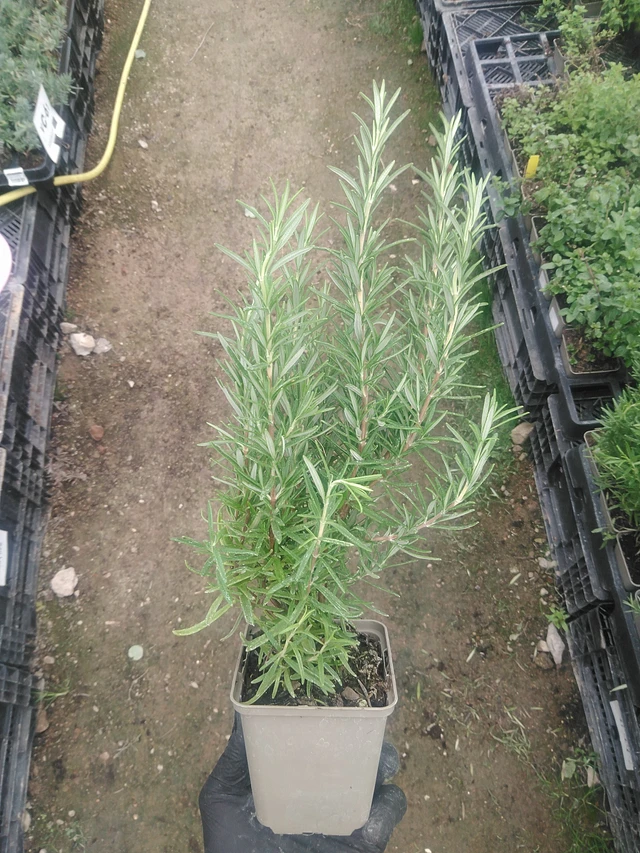
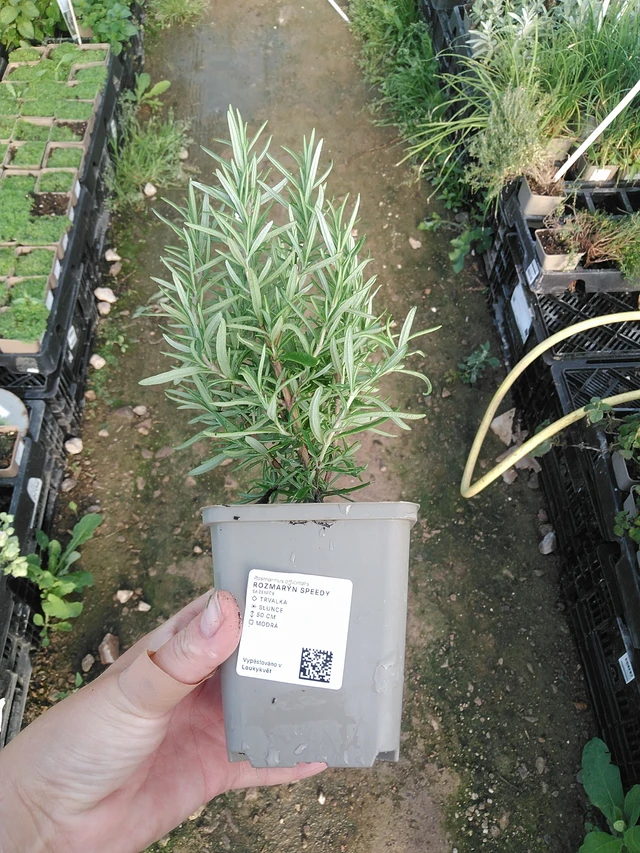
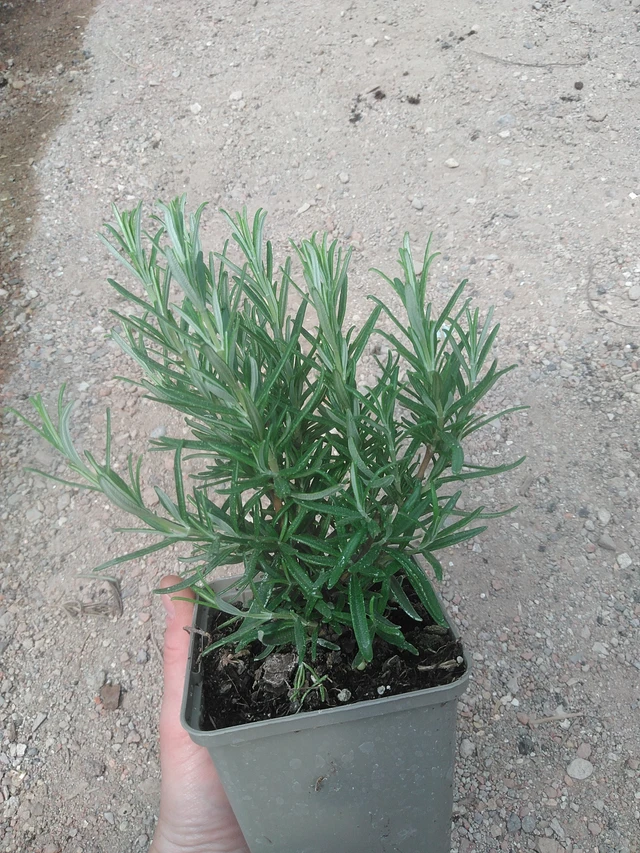
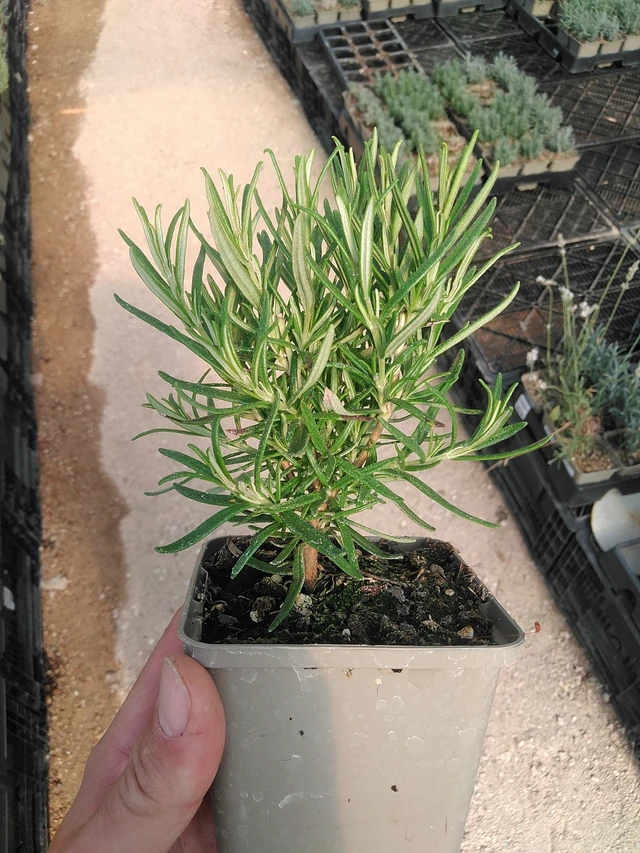
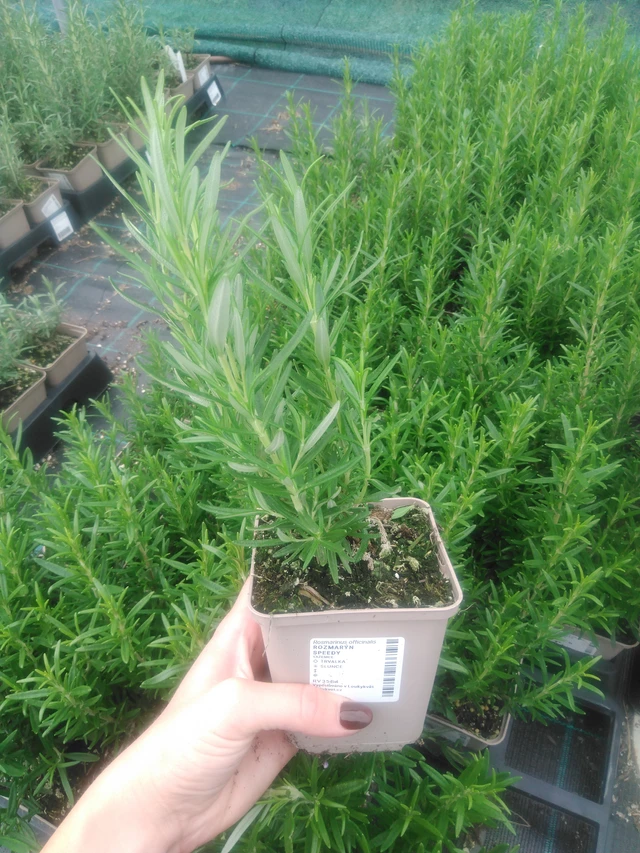
See how the seedling looks over the course of a year.
More products in category Rosemary

Rosmarinus officinalis
Rosemary Barbecue
Rosmarinus officinalis
Rosemary Blue Rain

Rosmarinus officinalis
Rosemary Blue Winter

Rosmarinus officinalis
Rosemary Upright Pink

Rosmarinus officinalis
Rosemary

Rosmarinus officinalis
Rosemary Hishtil Perigord

Rosmarinus officinalis
Rosemary Fox tail

Rosmarinus officinalis
Rosemary Blue Cascade

Rosmarinus officinalis
Rosemary Green Rosi
More products in category Herbs
Mentha spicata
Moroccan mint
Thymus vulgaris
Thyme Compactus

Thymus serpyllum
Thyme Albus
Origanum laevigatum
Oregano Herrenhausen

Thymus citriodorus
Thyme Lemon

Satureja montana
Winter Savory

Mentha piperita citrata
Chocolate mint

Thymus serphyllus
Thyme Coccineus

Artemisia abrotanum var. maritima
Artemisia Coca Cola

Lippia citriodora
Lemon verbena

Helichrysum angustifolia
Curry plant Tall Curry

Valeriana officinalis
Valerian

Origanum vulgare
Oregano Compactum

Levisticum officinale
Lovage
Thymus citriodorus
Thyme Doone Valley

Coriandrum sativum
Coriander

Mentha spicata
Spanish Mint

Salvia officinalis
Sage Maxima
Petroselinum hortense
Garden Parsley

Origanum rotundifolia


